🔍 Search

Always visible content "Chambers's Twentieth Century Dictionary (part 1 of 4: A-D)" by Thomas Davidson is a comprehensive reference dictionary written in the early 20th century. This work focuses on the English language, providing definitions, etymologies, technical terms, colloquialisms, and compound phrases that enrich vocabulary and understanding. The dictionary is aimed at users seeking a deeper knowledge of words from various fields, including literature and science, making it a valuable resource for students, writers, and Hidden checkbox to control the toggle Clickable label to show more The extra text that is initially hidden Clickable label to show less language enthusiasts. The opening of Chambers's Twentieth Century Dictionary introduces the book's structure and purpose. It begins with a preface by the editor, Thomas Davidson, who explains his motivation and experience in compiling the work. He emphasizes the aim to include both contemporary vocabulary and historical usages from notable literary sources, as well as technical terms across different sciences. The preface also outlines the organization of the dictionary, the approach to phonetic pronunciation, and the complexities of English spelling and etymology, all important considerations for readers seeking to navigate the intricacies of the English language. (This is an automatically generated summary.)

Always visible content "Moby Multiple Language Lists of Common Words" by Grady Ward is a compilation of word lists written in the early 21st century. This resource serves as a linguistic reference, featuring extensive vocabulary lists in several prominent languages, including French, German, Italian, Japanese, and Spanish. The aim of the book is to provide users with a comprehensive set of common words to aid in language study and usage. The content of this book Hidden checkbox to control the toggle Clickable label to show more The extra text that is initially hidden Clickable label to show less comprises five language-specific lists, each enumerating a significant number of words in its respective language. For example, the French list contains over 138,000 words, while the German list boasts nearly 160,000. Each list is structured in a simple, accessible text format, making it easy for users to reference and utilize. Additionally, the book outlines instructions on how to download and access the files, emphasizing their public domain status and the utility of these lists for linguistic purposes. Overall, the work serves as a practical tool for language learners and linguists seeking to expand their vocabulary across multiple languages. (This is an automatically generated summary.)

Always visible content "Roget's Thesaurus of English Words and Phrases" by Peter Mark Roget is a thesaurus first created in 1805 and published in 1852. This groundbreaking reference work organizes words not alphabetically but through a unique classification system of six primary classes, with branches for meaning clusters and semantically linked terms. Rather than simple synonyms, it presents words as shades of meaning within conceptual spectrums. The original edition contained 15,000 words; modern editions now Hidden checkbox to control the toggle Clickable label to show more The extra text that is initially hidden Clickable label to show less include over 443,000, maintaining Roget's original organizational framework while expanding to reflect contemporary language. (This is an automatically generated summary.)

"Modern English Biography, Volume 2 (of 4), I-Q" by Frederic Boase is a comprehensive collection of biographical entries written in the late 19th century. This work contains numerous concise memoirs of notable individuals who passed away after the year 1850, providing an extensive overview of their lives and contributions. The likely topic of the volume centers around documenting the achievements and impacts of prominent figures from various fields, including arts, politics, science, and literature. The opening of this volume presents an organized format, listing individual biographies with succinct details about each person's life, accomplishments, and the legacy they left behind. Each entry includes essential biographical information, such as birth and death dates, educational background, significant career milestones, and notable works or recognitions. This section establishes the book's purpose as a reference for researchers, historians, and anyone interested in the lives of influential personalities from the specified period, showcasing the breadth of contributions made by individuals across a diverse array of professions. (This is an automatically generated summary.)

Always visible content "The Sailor's Word-Book" by W. H. Smyth is a nautical dictionary written in the late 19th century. This work offers an in-depth exploration of nautical terminology, including definitions of maritime language from both historical and contemporary perspectives. It serves as a useful resource for both seafaring professionals and enthusiasts, encompassing terms not only relevant to naval operations but also related to areas like astronomy, natural history, and military science. At the start Hidden checkbox to control the toggle Clickable label to show more The extra text that is initially hidden Clickable label to show less of the text, the author reflects on the need for a comprehensive nautical dictionary prompted by a lack of satisfactory resources in the field. The opening includes a preface by Vice-Admiral Sir E. Belcher, highlighting Admiral Smyth's career and dedication to maritime knowledge. Through the preface and introduction, readers learn about the complexities and evolutions of nautical terms, the importance of precise definitions for sailors and landsmen alike, and Smyth's personal journey in collating this wealth of information for the greater benefit of his profession. (This is an automatically generated summary.)

Always visible content "The Elements of Style" by William Strunk is a style guide first published in 1920. This compact manual distills the essentials of clear English prose into rules about grammar, punctuation, composition, and word usage. Strunk's original "little book" urged writers to omit needless words and embrace brevity. Later enlarged by his former student E. B. White in 1959, it became the influential writing guide known as "Strunk & White," selling millions of Hidden checkbox to control the toggle Clickable label to show more The extra text that is initially hidden Clickable label to show less copies and shaping generations of American writers with its prescriptive approach to craft. (This is an automatically generated summary.)

Always visible content "The Roll of Honour, Volume 1: A Biographical Record of All Members of His Majesty’s Naval and Military Forces Who Have Fallen in the War" by the Marquis de Ruvigny is a historical reference work written in the early 20th century. This volume is an extensive biographical register dedicated to British and Commonwealth soldiers, sailors, and officers who lost their lives during a major conflict, almost certainly the First World War. The Hidden checkbox to control the toggle Clickable label to show more The extra text that is initially hidden Clickable label to show less book collects and preserves individual stories and service details, providing not only names and ranks but also personal backgrounds and circumstances of death. Its primary aim is to offer permanent tribute and remembrance for the fallen, ensuring their sacrifices are not forgotten by future generations. The opening of this volume sets a solemn, respectful tone, with introductory remarks that reflect on the significance of the war and the lasting debt owed to those who died. The editor emphasizes that history’s judgment on the war’s causes and conduct will come in time, but that the nobility of those who gave their lives stands above interpretation. The preface thoroughly explains the methodical approach to the compilation: biographies are arranged alphabetically, and details such as parentage, education, careers, military service, and, where possible, excerpts from letters are included. The first entries themselves provide poignant, individualized portraits—concise yet personal—of servicemen from a wide array of backgrounds, each record honoring their life, military service, and ultimate sacrifice. (This is an automatically generated summary.)
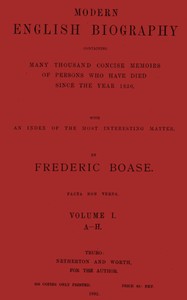
Always visible content "Modern English Biography, Volume 1 (of 4), A-H" by Frederic Boase is a biographical reference work written in the late 19th century. This volume contains concise memoirs of notable individuals who have died since 1850, including various public figures such as politicians, artists, and professionals from a wide range of fields. The purpose of the book is to provide a comprehensive overview of these individuals, offering factual accounts and significant details that Hidden checkbox to control the toggle Clickable label to show more The extra text that is initially hidden Clickable label to show less may not be found in other biographical works. The opening portion of the book introduces the author’s motivation for compiling these biographies, explaining the historical evolution and fluctuations of interest in the genre. Boase emphasizes the growing need for a structured format to cover the vast subject of biography, especially since previous works had limitations in scope. His approach includes an alphabetical arrangement of entries and highlights diverse individuals—ranging from privy councillors and bishops to eccentric characters and notorious criminals—ensuring that even lesser-known figures receive recognition. The preface sets the stage for what readers can expect from the detailed memoirs that follow, establishing the significance of personal histories within the broader context of English biography. (This is an automatically generated summary.)

Always visible content "Putnam's Word Book" by Louis A. Flemming is a reference book on vocabulary and language usage, published during the early 20th century. This practical guide aims to assist readers in refining their expression through an extensive collection of synonyms, antonyms, and related words, which are invaluable for effective writing and speaking. The opening of "Putnam's Word Book" introduces the reader to the author's intentions, emphasizing that the book serves as a practical Hidden checkbox to control the toggle Clickable label to show more The extra text that is initially hidden Clickable label to show less resource for anyone looking to enhance their vocabulary. Flemming clarifies that the work does not dictate language usage but instead provides a comprehensive resource of words that can help express ideas with precision. Readers can expect to find well-structured entries that categorize words with similar meanings, opposite meanings, and associated terms, facilitating an exploration of nuanced language choices. Additionally, the preface highlights the importance of understanding the context in which each word may be used, thus offering a thoughtful approach to vocabulary development for both students and professionals across various fields. (This is an automatically generated summary.)
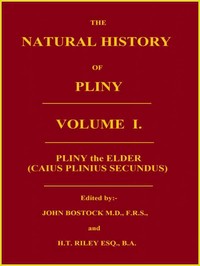
Always visible content "The Natural History of Pliny, Volume 1 (of 6)" by the Elder Pliny is an encyclopedic work published beginning in AD 77. The largest single work surviving from the Roman Empire, it compiles knowledge on an astonishing range of subjects—from astronomy and geography to zoology, botany, mining, and art. Pliny defines his scope as "the natural world, or life," presenting nature as a coherent whole serving humanity. Written at night while he Hidden checkbox to control the toggle Clickable label to show more The extra text that is initially hidden Clickable label to show less served Emperor Vespasian, this ambitious compilation became a model for all later encyclopedias. (This is an automatically generated summary.)

Always visible content "Roget's Thesaurus" by Peter Mark Roget is a reference work first published in 1852. Roget, a British physician and lexicographer, created this revolutionary system of verbal classification to help writers struggling with composition. Rather than arranging words alphabetically, his thesaurus organizes them into six primary classes with over a thousand meaning clusters, grouping words by semantic relationships and conceptual connections. Originally containing 15,000 words, the work has expanded through successive editions while Hidden checkbox to control the toggle Clickable label to show more The extra text that is initially hidden Clickable label to show less maintaining Roget's foundational organizational system, becoming one of the most widely used English-language reference tools. (This is an automatically generated summary.)

Always visible content "Encyclopaedia Britannica, 11th Edition, 'Bent, James' to 'Bibirine'" by Various is a scientific publication written in the early 20th century. This work serves as a comprehensive reference resource, providing detailed entries on a multitude of topics including notable figures, historical events, scientific concepts, and geographical locations. The breadth of information suggests that it is a valuable tool for scholars, educators, and anyone seeking to expand their knowledge on a wide array of Hidden checkbox to control the toggle Clickable label to show more The extra text that is initially hidden Clickable label to show less subjects. At the start of this volume, readers are given an overview of notable individuals such as James Theodore Bent, an English traveler recognized for his extensive archaeological research and insights into ancient civilizations. The opening portion includes a series of transcriber's notes and corrections addressing typographical errors found in earlier entries, emphasizing the accuracy and attention to detail that characterize the Encyclopaedia's publication. In addition to entries on prominent figures, the content outlines various articles beginning with names that start with "Bent" and leading toward "Bibirine," indicating a structured and organized layout typical of encyclopedic works. (This is an automatically generated summary.)

Always visible content "Encyclopaedia Britannica, 11th Edition, 'Kelly, Edward' to 'Kite'" by Various is a comprehensive reference work written in the late 19th century. This edition includes detailed articles on a wide variety of subjects, ranging from notable historical figures to geographical locations and scientific principles. The likely topic of this volume is the breadth of knowledge available during its time, emphasizing education and information dissemination. The opening of this particular volume features a series Hidden checkbox to control the toggle Clickable label to show more The extra text that is initially hidden Clickable label to show less of entries, starting with prominent individuals such as Edward Kelly, an Australian bushranger, followed by other notable figures and areas of interest like Sir Fitzroy Kelly, an English judge, and the town of Kelso in Scotland. It highlights their life stories, contributions, and relevance in history, presenting a rich tapestry of biographical and geographic insights that reflect the diverse knowledge encapsulated within the Encyclopaedia. This initial section establishes a foundation for understanding the expansive range of information presented in the subsequent articles. (This is an automatically generated summary.)
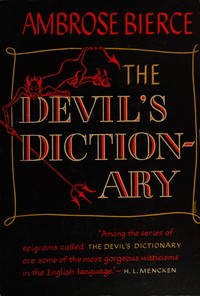
Always visible content "The Devil's Dictionary" by Ambrose Bierce is a satirical dictionary written over three decades and published in complete form in 1911. This lexicon offers humorous and biting definitions of common words, transforming ordinary language into sharp social commentary. Originally appearing as magazine and newspaper installments beginning in the 1870s, Bierce's witty wordplay was widely imitated and plagiarized before being collected into book form. Now considered a masterpiece of American satire, it has Hidden checkbox to control the toggle Clickable label to show more The extra text that is initially hidden Clickable label to show less earned international acclaim for its brilliant, howlingly funny take on language and human nature. (This is an automatically generated summary.)

Always visible content "A Dictionary of Cebuano Visayan" by John U. Wolff is a comprehensive dictionary written in the early 1970s. This reference work focuses on the Cebuano language, one of the major languages spoken in the central Philippines and Mindanao, and aims to provide explanations of Cebuano forms rather than direct English translations. With approximately 25,000 entries, it serves as an invaluable tool for both Cebuano speakers and learners seeking to understand the intricacies Hidden checkbox to control the toggle Clickable label to show more The extra text that is initially hidden Clickable label to show less of the language. At the start of the dictionary, the transcriber notes detail the formatting of the text, including the use of Unicode characters for diacritics that may not display correctly on all computers. Following this, the foreword by Robert B. Jones highlights the significance of this work in relation to Cebuano and Philippine linguistics, emphasizing its collaborative nature involving over a hundred participants. The preface outlines the dictionary's goals, structure, and process of compilation, indicating that it was developed from extensive oral and written sources, all aimed at clarifying the meanings and uses of Cebuano words. The introduction begins with a discussion of the language's distribution and cultural context, highlighting its status and fluctuations in prestige over the years. (This is an automatically generated summary.)
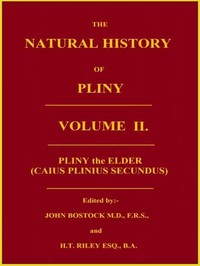
Always visible content "The Natural History of Pliny, Volume 2 (of 6)" by Pliny the Elder is an encyclopedic work published in AD 77. This monumental compilation spans 37 books across diverse subjects—from astronomy and geography to zoology, mining, and art. Written by a Roman administrator who worked by night, it presents nature as a divine force serving humanity. Pliny's sprawling catalog includes exotic creatures, medicinal plants, precious stones, and even rumors of monstrous races Hidden checkbox to control the toggle Clickable label to show more The extra text that is initially hidden Clickable label to show less at the world's edges, creating an ambitious portrait of the natural world and human life within it. (This is an automatically generated summary.)

Always visible content "Novo dicionário da língua portuguesa" by Cândido de Figueiredo is a Portuguese language dictionary published in 1899. First released by Livraria Editôra Tavares Cardoso & Irmão, this comprehensive reference work underwent twenty-five editions across nearly a century, passing through multiple publishers in Portugal. After the author's death in 1925, the 1913 edition entered the public domain and was digitized by volunteers, becoming freely available online and spawning web-based adaptations that continue to Hidden checkbox to control the toggle Clickable label to show more The extra text that is initially hidden Clickable label to show less serve Portuguese speakers worldwide. (This is an automatically generated summary.)

Always visible content "A Complete Guide to Heraldry" by Arthur Charles Fox-Davies is a comprehensive reference work on the science of heraldry written in the early 20th century. This publication delves into the history, laws, and practices associated with coats of arms, including their origins, symbolism, and the functions of heralds. The guide is not merely historical but emphasizes the continuing relevance and application of heraldry in the modern era. The opening of the book Hidden checkbox to control the toggle Clickable label to show more The extra text that is initially hidden Clickable label to show less establishes an overview of armory and its distinctions from heraldry, explaining that armory concerns the symbolic imagery on heraldic devices while heraldry encompasses broader ceremonial and genealogical facets. Fox-Davies critiques the misconceptions surrounding armory, arguing that it is not a stagnant field confined to the past but a living discipline adapting to contemporary contexts. He asserts that while ancient practices influence it, the rules governing armory must evolve with societal changes, setting the stage for a thorough exploration of heraldic principles and their modern implications. (This is an automatically generated summary.)

Always visible content "A Concise Dictionary of Middle English from A.D. 1150 to 1580" by Rev. A. L. Mayhew and Rev. Walter W. Skeat is a linguistic reference work likely compiled in the late 19th century. The dictionary serves as a resource for scholars and students interested in Middle English, detailing the meanings and etymology of vocabulary from a critical period in the English language's development. The opening of this dictionary presents its objectives and Hidden checkbox to control the toggle Clickable label to show more The extra text that is initially hidden Clickable label to show less context, explaining the necessity for a concise reference to Middle-English words during a time when existing texts were incomplete. Professor Skeat outlines the distinct approach of this work, which focuses on more accessible sources and aims to represent the specific literary language of Chaucer and similar authors. The preface also highlights the challenges learners face in understanding the variations in spelling and pronunciation of Middle-English, thus setting the stage for the extensive glossary that follows, which organizes words alphabetically along with definitions and historical context. (This is an automatically generated summary.)

Always visible content "The Nuttall Encyclopædia" by P. Austin Nuttall is a concise encyclopedia first published in 1900. Named for Dr. Peter Austin Nuttall, this reference work contains over 16,000 brief articles covering history, biography, geography, literature, philosophy, religion, science, and art. The entries are notably short and often reflect a distinct British perspective on world events. While it includes fictional characters from Dickens, it curiously lacks entries for common subjects like fruit, revealing the Hidden checkbox to control the toggle Clickable label to show more The extra text that is initially hidden Clickable label to show less editor's selective worldview. (This is an automatically generated summary.)

Always visible content "The Reader’s Guide to the Encyclopaedia Britannica" is an educational resource written in the early 20th century. This handbook provides structured approaches to studying a vast range of topics covered in the Encyclopaedia Britannica, aiming to enhance readers' understanding and ability to use the materials effectively for both systematic study and casual reading. It serves as a bridge between the expansive knowledge contained in the Britannica and the reader's learning journey. The Hidden checkbox to control the toggle Clickable label to show more The extra text that is initially hidden Clickable label to show less opening of the guide outlines the book's purpose and practical applications, explaining how readers typically interact with the Encyclopaedia by searching for answers to specific queries rather than exploring it in depth. It emphasizes that the guide will help users engage with the Britannica more comprehensively, offering organized courses of reading that cover various subjects systematically. The introduction also touches on the vastness of the Encyclopaedia, highlighting its structure and the importance of understanding its articles as interconnected rather than isolated pieces of information. The guide sets the stage for subsequent chapters that will detail specific reading paths for professionals, children, women, and recreational interests, along with providing insights into modern issues and systematic fields of study. (This is an automatically generated summary.)

"Mr Honey's Large Business Dictionary (English-German)" by Winfried Honig is a reference guide compiled in the early 21st century. This dictionary serves as a bilingual resource, featuring a comprehensive compilation of business-related phrases in both English and German, making it particularly useful for learners and professionals in the international business community. The opening of the dictionary introduces the purpose and background of the work, highlighting that Winfried Honig, affectionately referred to as Mr. Honey, began compiling this resource in the 1970s. The text emphasizes the author's goals of aiding students and professionals in understanding business language and supporting educational efforts to foster proficiency in English and German business communications. The initial parts also detail the dictionary's organization, noting its arrangement for ease of use by both English and German speakers, underscoring its aim to facilitate clear understanding across linguistic barriers in the business world. (This is an automatically generated summary.)
Always visible content "The Complete Herbal" by Nicholas Culpeper is a historical medicinal guide written in the mid-17th century. This work combines herbalism, astrology, and early medical practices, offering insights into the medicinal properties of various plants and their relationship with human ailments. It serves as both an extensive reference manual for herbal remedies and a treatise on the natural philosophy underpinning herbal medicine. At the start of the text, Culpeper introduces his work and Hidden checkbox to control the toggle Clickable label to show more The extra text that is initially hidden Clickable label to show less warns readers against relying on the numerous erroneous editions that have circulated prior to this version. He emphasizes the importance of understanding the reasons behind the properties of herbs, which traditional authors often fail to provide. Culpeper details his background in herbalism and astrology, asserting that real knowledge should be derived from reason and personal experience rather than outdated traditions. The opening sets up a systematic approach to understanding herbs and their uses, inviting readers to consider the connections between celestial influences and physical health. (This is an automatically generated summary.)

Always visible content "Encyclopaedia Britannica, 11th Edition, 'Bulgaria' to 'Calgary'" by Various is a comprehensive reference work written in the early 20th century. This volume serves as an encyclopedia entry that provides detailed information about various topics related to Bulgaria, including its geography, geology, flora, fauna, and socio-political history. The content reveals an extensive examination of Bulgaria’s natural landscapes, ecological details, and the country's progression through historical turmoil and national development. The opening of this Hidden checkbox to control the toggle Clickable label to show more The extra text that is initially hidden Clickable label to show less extensive reference outlines the geographical features of Bulgaria, emphasizing its mountainous terrain, with notable ranges such as the Balkans and Rhodope Mountains. It details various aspects such as climate, mineral wealth, and agricultural practices while illustrating the historical context of the region's geography. The text provides an insight into the natural resources and agricultural conditions, describing the socio-economic challenges faced by the country, and hints at agricultural inefficiencies stemming from a lack of modernization and the impacts of historical Turkish rule. This foundational information sets the stage for a deeper understanding of Bulgaria’s natural environment and its significant effects on cultural and economic factors that drive the nation. (This is an automatically generated summary.)
Always visible content "Dictionary of Quotations from Ancient and Modern, English and Foreign Sources" by the Rev. James Wood is a collection of notable quotations compiled in the late 19th century. This comprehensive work includes phrases, maxims, proverbs, definitions, and aphorisms that pertain to various subjects, such as life, literature, science, and morality. The collection aims to provide readers with insight and wisdom gathered from a wide range of ancient and modern thought. At the Hidden checkbox to control the toggle Clickable label to show more The extra text that is initially hidden Clickable label to show less start of the text, the editor shares his purpose for creating this work, emphasizing the need for a more extensive compilation of quotations that addresses contemporary interests. He explains that while there are many excellent collections available, this one seeks to encompass a broader array of wisdom, especially from modern writings that reflect current societal concerns. The preface also outlines the book's organization, which is alphabetical rather than topical, and establishes the Editor's intention to present meaningful insights that are thought-provoking and relevant to the reader's life. (This is an automatically generated summary.)

Always visible content "The Life of Florence Nightingale, vol. 2 of 2" by Sir Edward Tyas Cook is a historical account written in the early 20th century. The book chronicles the life and impact of Florence Nightingale, focusing on her contributions to nursing and public health, particularly during the latter half of the 19th century. It details her tireless efforts in reforming military healthcare and nursing practices, as well as her influence on the British Hidden checkbox to control the toggle Clickable label to show more The extra text that is initially hidden Clickable label to show less Army's sanitation policies, particularly regarding the health of soldiers in India. At the start of the second volume, the narrative captures Nightingale's profound sense of loss following the tragedies of her close associates, Sidney Herbert and Arthur Hugh Clough. Despite her grief, she redirects her energy towards influential public health reforms, including the establishment of a Royal Commission focused on the health of the British Army in India. The text introduces themes of personal struggle and determination, emphasizing Nightingale's exceptional resilience and commitment to improving sanitary conditions for soldiers, reflecting both her pioneering spirit in nursing and her stature as a reformer in public health. (This is an automatically generated summary.)

Always visible content “A History of Epidemics in Britain, Volume 1 (of 2)” by Charles Creighton is a historical account written in the late 19th century. The work explores the occurrence and impact of epidemics in Britain from A.D. 664 to the extinction of plague in 1665-1666, delving into various significant outbreaks and their socio-economic repercussions over the centuries. At the start of this volume, Creighton establishes the framework and timeline for discussing the historical Hidden checkbox to control the toggle Clickable label to show more The extra text that is initially hidden Clickable label to show less epidemics, beginning with the earliest recorded plague in 664, as noted in Beda's "Ecclesiastical History." He outlines the contextual implications of these outbreaks, particularly the connection between famine and sickness throughout medieval Britain, and how these factors intertwined with societal upheavals. He touches on the systematic approach he employed in compiling various historical sources and medical literature to create what he asserts is the first comprehensive epidemiological history focused on Great Britain and Ireland. This opening sets the stage for a detailed examination of how these epidemics shaped public health, social structures, and economic conditions over a lengthy period. (This is an automatically generated summary.)

Always visible content "The Epidemics of the Middle Ages" by J. F. C. Hecker is a historical account written in the mid-19th century. The book examines three significant epidemics—primarily the Black Death, alongside the Dancing Mania and Sweating Sickness—that ravaged Europe during the Middle Ages. Hecker attempts to illuminate the public health impacts and the societal reactions to these vast calamities, reflecting on the interplay between medical understanding and human behavior during these times. The Hidden checkbox to control the toggle Clickable label to show more The extra text that is initially hidden Clickable label to show less opening of the book sets the stage for a detailed exploration of the Black Death, one of the deadliest pandemics in history. Hecker begins by reflecting on the historical context of this epidemic, emphasizing the ignorance and superstition that clouded public perception of disease during the Middle Ages. The introductory sections describe the horrific symptoms of the plague, the widespread fear it engendered, and the inadequate responses by medical authorities. Hecker calls for a comprehensive historical study of epidemics as a means to better understand how society might combat similar crises in the future, thereby linking the lessons of the past to contemporary medical science and public health policy. (This is an automatically generated summary.)
Always visible content "The Animal Parasites of Man" by H. B. Fantham, J. W. W. Stephens, and F. V. Theobald is a scientific publication written in the early 20th century. The book serves as a comprehensive study on various parasites that affect humans, including protozoa, helminths, and arthropods, detailing their classifications, life cycles, and the diseases they cause. It merges historical insights with contemporary findings in parasitology, making it a valuable resource for researchers and Hidden checkbox to control the toggle Clickable label to show more The extra text that is initially hidden Clickable label to show less students in the field of tropical medicine. The opening of the book begins with a preface outlining the revisions and updates made from a previous German edition. It explains that the current text incorporates a significant amount of new information and reorganizes the original material to reflect scientific advances since its last publication. The authors express gratitude to various contributors for their assistance, emphasizing the collaborative nature of the work. Additionally, a detailed table of contents suggests a structured outline for discussing different classes of parasites, setting the stage for in-depth explorations of their biology and impact on human health. (This is an automatically generated summary.)

Always visible content "A History of Epidemics in Britain, Volume 2" by Charles Creighton is a historical account that was written in the late 19th century. This volume serves as a continuation of the history of epidemics, extending from the extinction of plague to more contemporary times, and focuses on various infectious diseases that impacted Britain throughout this period. It explores the complex interplay between epidemics and societal conditions, providing insights into how economic and Hidden checkbox to control the toggle Clickable label to show more The extra text that is initially hidden Clickable label to show less social changes influenced the prevalence of diseases. At the start of the work, the author outlines the challenges he faced while compiling the systematic history of epidemics, particularly highlighting the shift from the relatively uniform plague outbreaks to a more diverse array of fevers and diseases in the post-plague era. Creighton emphasizes the importance of understanding the social and economic factors that contributed to the frequency and severity of these epidemics. He introduces various chapters that will detail specific diseases such as typhus, dysentery, and influenza, and their impact on different populations, especially the working classes. The beginning sets a scholarly tone as Creighton seeks to balance medical history with broader social contexts, paving the way for a comprehensive analysis of public health in Britain. (This is an automatically generated summary.)

Always visible content "The Origin and Growth of the Healing Art" by Edward Berdoe is a historical account written in the late 19th century. This work provides a comprehensive exploration of the history of medicine across various cultures and time periods, aiming to illuminate the evolution of medical practices from their primitive roots to more modern understandings. Berdoe emphasizes the significant roles that medicine and healing have played in shaping civilizations and societies. The opening Hidden checkbox to control the toggle Clickable label to show more The extra text that is initially hidden Clickable label to show less portion of the book introduces the theme of medicine as a fundamental aspect of human civilization, beginning with its practices in primitive societies. It discusses how early humans likely observed and learned from the medicinal behaviors of animals, which informed their own healing practices. The text elaborates on various primitive theories of disease, linking illness to spiritual and supernatural causes, such as animism, witchcraft, and demonic possession. Berdoe sets the stage for a deeper examination of how these rudimentary concepts transitioned into more structured medicinal understanding and practice throughout history. (This is an automatically generated summary.)

Always visible content "Treatise on Poisons" by Sir Robert Christison is a scientific publication written in the mid-19th century. This comprehensive work delves into the complex interactions of poisons within the body, examining their effects in relation to medical jurisprudence, physiology, and the practice of medicine. The text is likely aimed at medical professionals and students, providing detailed insights into various types of poisons and their physiological actions, alongside discussions of toxicology. At the start Hidden checkbox to control the toggle Clickable label to show more The extra text that is initially hidden Clickable label to show less of the treatise, the author outlines the scope and importance of toxicology in medicine. He discusses the modes in which poisons exert their effects, differentiating between local and remote actions. The beginning introduces fundamental concepts and terminology related to the physiological mechanisms by which poisons operate, emphasizing the impact they have not only at the site of contact but also on distant organs and systems within the body. Christison aims to lay a scientific foundation for understanding the effects of various poisons, which are explored in detail throughout the work. (This is an automatically generated summary.)

Always visible content "Travels in Peru and India" by Sir Clements R. Markham is a historical account written in the mid-19th century. The book explores the journeys related to the collection and introduction of the Chinchona plants, which are vital for producing quinine, from South America to India. It delves into the botany, geography, and history surrounding the Chinchona trees, as well as the author’s travels in Peru and the cultivation efforts in India, highlighting Hidden checkbox to control the toggle Clickable label to show more The extra text that is initially hidden Clickable label to show less significant figures and events in the process. At the start of the narrative, Markham outlines the significance of Chinchona trees, initially discovering their medicinal qualities in Peru and their indispensable role in combating fevers. He describes his mission to collect the plants and seeds in South America, including arduous explorations into the uncharted forests, and introduces key contributors in the endeavor. The opening chapters reflect on the historical backdrop of the Peruvian officials’ efforts and the indigenous usage of the bark, setting the stage for a captivating exploration of both the travel experiences and the broader implications of Chinchona cultivation for medicine and trade. (This is an automatically generated summary.)

Always visible content "The Great American Fraud" by Samuel Hopkins Adams is a series of articles on the patent medicine industry written in the early 20th century. The work critiques the fraudulent practices of patent medicine vendors and the detrimental effects these products have on public health, revealing the deceptive advertising and questionable efficacy of various remedies. It aims to raise awareness and advocate for reforms to protect consumers from harmful and misleading medical claims. Hidden checkbox to control the toggle Clickable label to show more The extra text that is initially hidden Clickable label to show less The opening of this exploration begins with a strong condemnation of the patent medicine industry, highlighting the astronomical sums of money spent by Americans on these dubious products each year. Adams sheds light on the reliance on alcohol, opiates, and other harmful ingredients disguised as cure-alls, emphasizing the industry's exploitation of gullible consumers who are misled by testimonials and aggressive marketing. He discusses specific examples of harmful remedies, including Peruna and Liquozone, outlining their composition and the false claims made by their promoters. The narrative sets the stage for further discussions on the mechanisms of deception and the urgent need for public awareness and legislative action against such fraudulent practices. (This is an automatically generated summary.)

Always visible content "The Book of Household Management" by Mrs. Beeton is an extensive guide to running a household in Victorian Britain, first published in 1861. Initially serialized in monthly installments beginning in 1859, this comprehensive work covers everything from cookery and household duties to medical advice and servant management. The book became an immediate bestseller, selling 60,000 copies in its first year and nearly two million by 1868. Its highly structured recipes and practical Hidden checkbox to control the toggle Clickable label to show more The extra text that is initially hidden Clickable label to show less instructions revolutionized domestic management, making it the most consulted cookery book between 1875 and 1914. (This is an automatically generated summary.)

Always visible content "Psychopathia Sexualis: With Especial Reference to Contrary Sexual Instinct" by Dr. R. von Krafft-Ebing is a medico-legal study written in the late 19th century. This work delves into the complexities of human sexuality, with a particular focus on sexual pathologies, including sexual perversions and their implications for both individuals and society. It aims to establish a scientific foundation for understanding sexual deviations, exploring their psychological, physiological, and sociocultural dimensions. The opening of Hidden checkbox to control the toggle Clickable label to show more The extra text that is initially hidden Clickable label to show less the text sets the stage for a comprehensive examination of sexual instinct as a powerful motivator of human behavior, intertwining sexuality with ethical, artistic, and emotional aspects of life. Krafft-Ebing emphasizes the lack of scientific discourse regarding sexuality, critiquing previous philosophical treatments and arguing for a medically-informed exploration of sexual psychology. He draws attention to the importance of understanding sexual phenomena in a clinical context, acknowledging that misconceptions and societal taboos often complicate discussions about sexual deviance. The beginning presents a clear intention to address this gap in knowledge, making the work not only relevant to medical professionals but also vital for the legal understanding of sexual crimes. (This is an automatically generated summary.)

Always visible content "The Medicinal Plants of the Philippines" by T. H. Pardo de Tavera is a scientific publication written in the late 19th century. This work provides a comprehensive exploration of the medicinal uses of various native plants found in the Philippines, along with their botanical descriptions and applications in traditional medicine. The book aims to document the rich therapeutic practices associated with Filipino flora, emphasizing the intersection of local knowledge and formal medical Hidden checkbox to control the toggle Clickable label to show more The extra text that is initially hidden Clickable label to show less science. The opening portion of the work includes a translator's preface and the author's preface, explaining the dedication to studying and documenting the medicinal plants of the Philippines based on both indigenous practices and scientific inquiries. Tavera shares his experiences collecting botanical specimens and notes that the text serves as a resource for medical professionals eager to understand tropical medicine better. The prefaces also highlight the importance of native therapeutics and the potential advantages of local plants over exotic alternatives in treating diseases, setting the stage for the detailed descriptions of medicinal species that follow in the text. (This is an automatically generated summary.)

Always visible content "The Mediæval Hospitals of England" by Rotha Mary Clay is a historical account written in the early 20th century. This work explores the significance and role of hospitals in medieval England, serving as institutions of care and charity for the sick, the helpless, and wayfarers during a time when public health infrastructure was rudimentary. The author aims to shed light on how these hospitals were integral to the social fabric of the Hidden checkbox to control the toggle Clickable label to show more The extra text that is initially hidden Clickable label to show less Middle Ages, extending beyond mere medical assistance to embody a complete support system for the vulnerable populations. At the start of the narrative, the introduction outlines the vital yet underappreciated role that hospitals played throughout the medieval period. The author emphasizes that these institutions were not medical in nature, as modern readers might expect, but were largely ecclesiastical, focusing on spiritual care as well as physical sustenance for individuals in need. Various types of hospitals are pointed out, such as those for lepers, wayfarers, and the poor. Specific examples, like the establishment of the significant St. Bartholomew’s Hospital and St. Thomas’ in Canterbury, highlight the evolution of these hospitable refuges as they adapted to the changing societal needs of the time. This opening sets the stage for a deeper exploration into the complex histories and varying functions of medieval hospitals throughout England. (This is an automatically generated summary.)

Always visible content "Surgical Anatomy" by Joseph Maclise is a scientific publication written in the mid-19th century. The work is primarily focused on the anatomy of the human body, particularly its relevance to surgery, emphasizing the relationship and relative positions of various anatomical structures. Through detailed illustrations, it aims to present vital anatomical information necessary for medical students and practitioners. At the start of the text, the author expresses gratitude to mentors and acknowledges the Hidden checkbox to control the toggle Clickable label to show more The extra text that is initially hidden Clickable label to show less contribution of previous scholars to the field of anatomy. The preface outlines the purpose of the work, stating a desire to provide readers with a practical understanding of anatomy that combines theoretical knowledge with surgical applications. Maclise emphasizes the importance of accurate anatomical knowledge for medical professionals, particularly in relation to surgical procedures and the intricacies of human anatomy, as revealed through dissections. The text promises a systematic study that integrates anatomical illustrations to enhance comprehension, making it a valuable resource for both students and practitioners in the medical field. (This is an automatically generated summary.)

Always visible content "Medical Jurisprudence, Forensic Medicine and Toxicology. Vol. 1" by R. A. Witthaus et al. is a scientific publication written in the late 19th century. This comprehensive work serves as a fundamental reference for the intersection of medicine and law, particularly focusing on how medical knowledge applies in legal contexts. The book explores various aspects of medical jurisprudence, forensic medicine, and toxicology, aimed at practitioners in both legal and medical fields, as well Hidden checkbox to control the toggle Clickable label to show more The extra text that is initially hidden Clickable label to show less as scholars interested in legal medicine’s historical and practical significance. The opening of the volume sets the stage by delineating the key topics—medical jurisprudence, forensic medicine, and toxicology. It discusses the historical development of these fields, illustrating the evolution of the legal relationships between medical practitioners and the law. The introduction emphasizes the necessity for legal definitions regarding medical practice, the rights and duties of physicians, and the importance of providing expert testimony in legal cases. This section serves not only as an academic foundation but also as a practical guide for understanding the statutory landscape governing medical practice and its implications for both physicians and patients. (This is an automatically generated summary.)
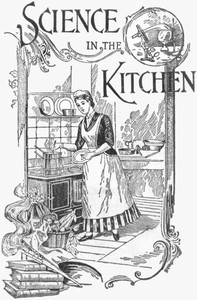
"Science in the Kitchen" by E. E. Kellogg is a scientific treatise that was written during the late 19th century. This work delves into the art and science of dietary practices, exploring the relationship between food preparation, health, and nutrition. The book likely covers principles of healthful cookery, backed by scientific principles, and gives numerous recipes aimed at providing wholesome and nourishing meals. The opening portion of the text sets the stage for an exploration of how modern science can transform traditional cooking methods. It discusses the increasing interest in scientific cookery and dietetics, as reflected in the establishment of cooking schools. The author highlights the inadequacies of conventional methods and emphasizes a systematic approach to the preparation of food, aiming for simplicity and nutritional value. Mrs. Kellogg outlines the need for a scientific understanding of food along with practical advice on cooking and dietary combinations, indicating a shift from mere culinary skill to informed, health-oriented practices. (This is an automatically generated summary.)

Always visible content "The Sexual Question: A Scientific, Psychological, Hygienic and Sociological Study" by August Forel is a comprehensive scientific publication written in the early 20th century. This work delves into the complexities of human sexuality, aiming to explore the subject through various lenses such as biology, psychology, sociology, and hygiene. Forel asserts that understanding sexuality is critical for the well-being and happiness of humanity and that it deserves a candid and thorough exploration devoid Hidden checkbox to control the toggle Clickable label to show more The extra text that is initially hidden Clickable label to show less of traditional taboos. The opening of the book introduces Forel’s fundamental ideas and intentions, outlining his commitment to examining the sexual question with a focus on scientific evidence and the psychology of human behavior related to sexuality. Forel emphasizes the importance of addressing this sensitive topic openly, considering the implications of ignorance and misconception surrounding sexual matters. He addresses the necessity of harmonizing human behavior with scientific understanding to promote better futures, particularly in education and social norms regarding sexuality, aiming to equip future generations with a more enlightened perspective. (This is an automatically generated summary.)
Always visible content "The Natural History of Pliny, Volume 6 (of 6)" by the Elder Pliny is an encyclopaedic work published in AD 77. This final volume forms part of the largest single work surviving from the Roman Empire, spanning 37 books across diverse subjects from astronomy to precious stones. Pliny compiled knowledge from ancient authors to recreate the natural world in literary form, viewing nature as divine and created to serve humanity. Written during Hidden checkbox to control the toggle Clickable label to show more The extra text that is initially hidden Clickable label to show less nights between his duties as imperial administrator, this monumental work influenced encyclopaedias for centuries to come. (This is an automatically generated summary.)

Always visible content "Plain Facts for Old and Young" by John Harvey Kellogg is a scientific publication written in the late 19th century. The book addresses vital issues related to human sexuality, reproduction, and the physical differences between sexes, with the intent to educate readers on these often-taboo subjects. It aims to counteract widespread ignorance and discuss the implications of sexual behavior and health on individuals and society as a whole. The opening of the Hidden checkbox to control the toggle Clickable label to show more The extra text that is initially hidden Clickable label to show less work introduces the motivations behind its creation, emphasizing the pressing need for accurate information on sexual matters, recognizing both the ignorance surrounding them and the potential dangers of misinformation. Kellogg outlines his objectives to present facts in a straightforward manner, avoiding the sensational or moralistic tones often associated with similar publications. The text suggests a structured approach, beginning with a biological overview of sexual reproduction in both plants and animals before delving into specific functions and anatomy related to human sexuality, setting the foundation for deeper discussions on sexual health, education, and morality that follow in later chapters. (This is an automatically generated summary.)

Always visible content "Herbal Simples Approved for Modern Uses of Cure" by William Thomas Fernie is a scientific publication written in the late 19th century. This text focuses on the medicinal properties of various herbs, providing detailed explanations and justifications for their use as healing remedies in contemporary medicine. Fernie guides readers through the historical use of herbal medicine while anchoring his insights in modern chemical analysis, thus reconciling traditional practices with contemporary scientific understanding. Hidden checkbox to control the toggle Clickable label to show more The extra text that is initially hidden Clickable label to show less The beginning of the book introduces the concept of "Herbal Simples," defined as single-ingredient remedies derived from plants. It discusses the historical context of herbal medicine, referencing classical sources and outlining the evolution of herbal practices over the centuries. The author aims to clarify the chemical basis for the medicinal properties of common herbs, transitioning from anecdotal evidence to scientifically validated uses. Moreover, he underscores the resurgence of interest in herbal remedies by emphasizing their reliability as alternatives to synthesized medications in the waking age of modern science. (This is an automatically generated summary.)

"Moby Dick; Or, The Whale" by Herman Melville is an epic novel published in 1851. Sailor Ishmael narrates the obsessive quest of Captain Ahab, who commands the whaling ship Pequod in pursuit of Moby Dick, a giant white sperm whale that destroyed his leg. Ahab's monomaniacal hunt for vengeance drives the ship and its diverse crew across the world's oceans, blending realistic whaling details with profound explorations of good, evil, fate, and human nature in this cornerstone of American literature. (This is an automatically generated summary.)

"Studies in the Psychology of Sex, Volume 6" by Havelock Ellis is a scientific publication written during the late 19th to early 20th century. This volume focuses on the relationship of sex to society, exploring how societal traditions and environmental influences impact the sexual impulse and its expression. The work is part of a larger analytical examination of sexual psychology, where the author intends to address various important problems surrounding sexual behavior, morality, and traditions. At the start of the volume, Ellis reflects on the foundational influence of motherhood on both individual lives and society. He discusses the critical role mothers play in shaping the child's wellbeing and destiny, emphasizing the necessity for maternal rest before and after childbirth to ensure healthier offspring. He highlights current societal issues, such as infant mortality and the degradation of motherhood due to industrialization, indicating a pressing need for structural reforms in public health and hygiene standards. Ellis illustrates how societal neglect of maternal health and responsibilities adversely affects children's survival and societal progression, advocating for greater awareness and institutional support for mothers to foster a healthier future generation. (This is an automatically generated summary.)

Always visible content "Anomalies and Curiosities of Medicine" by George M. Gould and Walter L. Pyle is an encyclopedic collection of medical phenomena and exceptional cases written in the late 19th century. The work delves into rare and extraordinary instances found throughout medical literature, emphasizing the intriguing anomalies in human anatomy and physiology, and how these peculiarities have captivated the minds of both laypeople and scholars alike. The opening of the compilation provides a comprehensive Hidden checkbox to control the toggle Clickable label to show more The extra text that is initially hidden Clickable label to show less introduction to the fascination surrounding medical anomalies throughout history. It discusses the longstanding human curiosity about the unusual aspects of the body, tracing the evolution of medical understanding from superstitions to scientific inquiry. The authors elaborate on how historical figures, including early anatomists, documented bizarre cases, effectively laying the groundwork for the accumulation of knowledge that would lead to modern medical practices. This early section also sets the stage for the specific chapters to come, which will systematically categorize various anomalies—ranging from genetic oddities to peculiar cases of menstruation—highlighting both their medical significance and the interplay of myth, science, and human understanding throughout the ages. (This is an automatically generated summary.)
Always visible content "On the Natural Faculties" by Galen is a foundational scientific text written in the late 2nd century AD. This work delves into the principles of physiology and the processes by which living organisms grow, develop, and maintain themselves. Galen seeks to articulate a comprehensive framework for understanding the functions of nature, which he describes through an exploration of the dynamic interplay of various faculties in both plants and animals. The opening of Hidden checkbox to control the toggle Clickable label to show more The extra text that is initially hidden Clickable label to show less this treatise provides a systematic overview of the concepts Galen will be addressing, particularly the distinction between the roles of the soul and nature in organismal functions. He begins by categorizing the actions and effects of living things, distinguishing between growth and nutrition, which are common to both plants and animals. The text sets the stage for a deeper analysis of specific processes, such as digestion and blood-making, laying out Galen's intent to explore the faculties responsible for these biological phenomena while responding to philosophical debates regarding physical existence and change. This introduction emphasizes the importance of clear definitions and systematic inquiry, marking Galen's work as a significant contribution to the medical and philosophical knowledge of his time. (This is an automatically generated summary.)
Always visible content "Cookery and Dining in Imperial Rome by Apicius" is a collection of Roman recipes possibly compiled in the fifth century AD. This ancient cookbook, written in a mix of Classical and Vulgar Latin, offers a fascinating window into the culinary world of wealthy Romans around the Mediterranean. Organized into ten books with Greek titles, it covers everything from meat and vegetables to seafood and exotic delicacies like flamingo. The recipes reveal sophisticated Hidden checkbox to control the toggle Clickable label to show more The extra text that is initially hidden Clickable label to show less cooking techniques and ingredient combinations that shaped dining in the ancient world. (This is an automatically generated summary.)

Always visible content "All About Coffee" by William H. Ukers is a comprehensive analysis of coffee's history, culture, and significance, written in the early 20th century. The work traverses the origins of coffee cultivation, its propagation across the globe, and its role in commerce and daily life, making it a valuable resource for both enthusiasts and professionals in the culinary and trade fields. The book likely delves into various aspects of coffee’s journey from plant Hidden checkbox to control the toggle Clickable label to show more The extra text that is initially hidden Clickable label to show less to cup, emphasizing the beverage's scientific, historical, and social dimensions. At the start of the text, the author outlines his extensive research efforts, which began with travels to coffee-producing regions and continued through investigations in libraries spanning the globe. He introduces unique features of the work, such as a comprehensive thesaurus of coffee-related terminology and a chronology detailing significant historical events related to coffee. Ukers reflects on the universal appeal of coffee, its evolution from a luxury item to a staple in diets worldwide, and the ongoing debates surrounding its consumption. The opening is rich with insights into coffee's significance as not just a beverage, but as a crucial part of economies and cultures. (This is an automatically generated summary.)

Always visible content "Enquire Within Upon Everything" by Robert Kemp Philp is a how-to book first published in 1856. This domestic encyclopedia offered Victorian households guidance on everything from etiquette and parlour games to cake recipes and first aid. Organized chaotically and requiring an index to navigate, it became wildly popular, selling over 1.5 million copies through numerous updated editions. The book's promise of accessible, comprehensive knowledge later inspired Tim Berners-Lee to name his precursor Hidden checkbox to control the toggle Clickable label to show more The extra text that is initially hidden Clickable label to show less to the World Wide Web after this Victorian guide. (This is an automatically generated summary.)
Always visible content "The Pantropheon; Or, History of Food, Its Preparation, from the Earliest Ages" by A. Soyer is a historical account written in the mid-19th century. The book explores the evolution of food and cooking practices throughout history, delving into various cultures and their culinary traditions. It aims to provide insights into how dietary customs have shaped societies and reflects on humanity's relationship with food from ancient times to the author's contemporary period. The Hidden checkbox to control the toggle Clickable label to show more The extra text that is initially hidden Clickable label to show less opening of the work introduces the theme of culinary history, highlighting the essential role of food in the daily lives of people, alongside the acknowledgment of historical battles and politics. Soyer discusses how significant agricultural practices and the preparation of food have influenced civilization, drawing parallels between ancient societies and their gastronomic choices. He emphasizes the importance of studying historical writings and cultural customs related to food, setting the stage for a comprehensive examination of various food sources, preparation methods, and the culinary arts across different eras and cultures. (This is an automatically generated summary.)

Always visible content "The Pleasures of the Table" by George H. Ellwanger is a historical account written in the early 20th century. This work delves into the rich history of gastronomy, detailing its evolution, literature, esteemed chefs, and the philosophy surrounding the enjoyment of food. The text shifts focus beyond mere recipes to explore the aesthetic and cultural significance of dining throughout various epochs, emphasizing the artistry associated with cookery. The opening of the book Hidden checkbox to control the toggle Clickable label to show more The extra text that is initially hidden Clickable label to show less sets the stage for an exploration of the art of cooking, suggesting that while modern advancements have enhanced culinary techniques, many still struggle with dietary-related ailments. Ellwanger reflects on the deep connection between nutrition, health, and the enjoyment of food, emphasizing that cooking is both an essential skill and an art that has evolved from ancient times. He points out that, rather than a desire for more instruction on practical cookery, the world needs a curated collection of the best recipes and insights from culinary history. The narrative establishes a foundation for the chapters that will follow, hinting at tales from antiquity and the grandeur of dining through the ages. (This is an automatically generated summary.)

Always visible content "A guide to modern cookery" by A. Escoffier is a cookbook published in 1903. Originally titled "Le Guide Culinaire," it revolutionized French restaurant cuisine by streamlining Victorian excess while serving society's elite. Developed from Escoffier's work at London's Savoy and Paris's Ritz, the book presents over 5,000 recipes in brief, professional descriptions intended for training chefs. Its concise style assumes readers understand culinary fundamentals. Still used in culinary schools today, it remains Hidden checkbox to control the toggle Clickable label to show more The extra text that is initially hidden Clickable label to show less the definitive textbook of classical French cooking techniques. (This is an automatically generated summary.)

Always visible content "Spons' Household Manual" by E. & F. N. Spon is a comprehensive guide on domestic management and various household practices written in the late 19th century. The book serves as an extensive reference for housewives, covering a multitude of topics related to home management, from cooking and food preservation to household construction and sanitation. It aims to equip readers with the knowledge needed to run a household efficiently in an era when Hidden checkbox to control the toggle Clickable label to show more The extra text that is initially hidden Clickable label to show less such skills were of paramount importance. The opening of "Spons' Household Manual" presents the preface, which highlights the evolving role of the English housewife and the necessity for comprehensive domestic education amidst changing societal norms. It emphasizes that the modern housewife is required to master a broad range of skills to ensure the health and comfort of her household, stressing the importance of knowledge in areas such as sanitation, cooking, and home construction. This preface sets the stage for the ensuing chapters, which systematically tackle various aspects of home management, proposing that even if much of this information is previously documented, compiling it into a single accessible volume is invaluable for any householder. (This is an automatically generated summary.)
Always visible content "A History of Champagne, with Notes on the Other Sparkling Wines of France" by Henry Vizetelly is a historical account written in the late 19th century. This work delves into the rich history and cultural significance of Champagne and other sparkling wines produced in France. It likely aims to illuminate the evolution of winemaking in the Champagne region, examining both its economic implications and the broader social context surrounding wine consumption. At Hidden checkbox to control the toggle Clickable label to show more The extra text that is initially hidden Clickable label to show less the start of the book, the author introduces his meticulous research into the history and practices of Champagne wine production, emphasizing his extensive field visits over the previous decade to vineyards and sparkling wine establishments in the region. He indicates that this volume represents the first comprehensive effort to document the history of any particular wine in such detail, informed by a wealth of firsthand experience and knowledge. The introduction also references previous works and sets the stage for a discussion that blends historical events, economic insights, and cultural anecdotes related to the illustrious Champagne wines that have captivated drinkers throughout history. (This is an automatically generated summary.)

Always visible content "The Cook's Oracle; and Housekeeper's Manual" by William Kitchiner is a comprehensive cookbook and household management guide written in the early 19th century. This work serves as a valuable resource for both novice and experienced cooks, providing detailed recipes and culinary techniques aimed at enhancing the quality and healthiness of food preparation. The text emphasizes the importance of proper cooking methods and the nutritional value of meals, particularly for families adhering to Hidden checkbox to control the toggle Clickable label to show more The extra text that is initially hidden Clickable label to show less Catholic dietary practices. The opening of the book introduces readers to its purpose and the structure of its content. It outlines a series of culinary principles and addresses the significance of food quality in maintaining health, contrasting it with the negligence often seen in food preparation. Kitchiner's narrative seeks to demystify the art of cooking, aiming to make it accessible and beneficial for all readers, regardless of their cooking experience. He expresses a commitment to practical advice, insisting that all the recipes provided are based on his own testing and experimentation in the kitchen, ensuring that they are both delightful and wholesome. (This is an automatically generated summary.)

Always visible content "Food and Flavor: A Gastronomic Guide to Health and Good Living" by Henry T. Finck is a comprehensive work on culinary practices and food quality written in the early 20th century. The book explores the importance of flavor in American cuisine and presents a critique of the less-than-appetizing state of food in the United States compared to other gastronomic cultures, particularly those of Europe. Finck aims to awaken readers to the significance Hidden checkbox to control the toggle Clickable label to show more The extra text that is initially hidden Clickable label to show less of flavor not just for enjoyment but also for health, providing insights and recommendations for improving dietary habits. At the start of the text, Finck sets the stage by addressing the poor state of American cuisine, using anecdotes about historical figures like Mark Twain and contemporary comparisons with European dining to highlight the issues. He advocates for a reevaluation of eating habits to appreciate food's flavors, linking culinary pleasure to overall health and well-being. The opening discusses the challenges in finding good cooks, the impact of processed and poorly prepared foods, and the need for Americans to take pride in their culinary traditions, framing his narrative against a backdrop of societal changes and the country's evolving approach to food production and consumption. (This is an automatically generated summary.)
Always visible content "The Boston Cooking-School Cook Book" by Fannie Merritt Farmer is a comprehensive cookbook written in the early 20th century. The book serves as a guide to various cooking techniques and food science, reflecting a growing interest in dietary knowledge and culinary education during this period. Farmer aims to elevate scientific cookery, emphasizing its importance for improving health and personal well-being. The opening of the cookbook sets the stage by discussing food's definition Hidden checkbox to control the toggle Clickable label to show more The extra text that is initially hidden Clickable label to show less and essential role in nourishment and health. It introduces the elemental composition of food, categorizing it into organic and inorganic components. The text emphasizes the necessity of understanding the dietary value of various food groups and the importance of balanced nutrition influenced by individual factors such as age and occupation. This section also highlights Farmer's aim to not only provide recipes but to cultivate a deeper understanding of food science among her readers, laying a solid foundation for the more specific recipes and cooking techniques that follow the opening chapters. (This is an automatically generated summary.)

Always visible content "The Gourmet's Guide to Europe" by Lieut.-Col. Newnham-Davis and Algernon Bastard is a comprehensive culinary travel guide written in the early 20th century. This work aims to be an essential resource for travelers seeking to explore and enjoy the best dining experiences across European cities, focusing particularly on restaurants, their specialties, and the culinary traditions of the regions. At the start of the guide, the authors express their motivations drawn from personal Hidden checkbox to control the toggle Clickable label to show more The extra text that is initially hidden Clickable label to show less experiences of dining in foreign cities, explaining the challenges of finding quality dining options outside of hotel restaurants. They introduce Paris as the culinary center of the world, diving into its rich restaurant scene and detailing various renowned establishments along with their specialties. The opening portion effectively combines history with practical advice, setting the tone for a journey through Europe's gastronomic landscape and hinting at the exploration of further cities and their unique culinary offerings throughout the text. (This is an automatically generated summary.)

Always visible content "The Complete Book of Cheese" by Bob Brown is a culinary guidebook written in the mid-20th century. This book serves as a comprehensive exploration of cheese, detailing its history, varieties, and various ways to enjoy it. The author reflects on his own cheese experiences, transporting readers to cheese markets in places like Holland and Lucerne, where the cultural significance and tasting pleasure of cheese are elaborated. The opening of the book invites Hidden checkbox to control the toggle Clickable label to show more The extra text that is initially hidden Clickable label to show less readers to join the author in nostalgic memories centered around cheese. Brown describes vibrant scenes of cheese markets, where connoisseurs engage in the time-honored practice of evaluating cheese quality through taste and texture, as well as his personal journeys sampling a variety of cheeses from different regions. He offers insights into the American cheese scene and how it has adopted and adapted recipes from around the world, showcasing a blend of original cheeses and American creations. The vivid descriptions serve to set the stage for what promises to be an informative and enjoyable exploration into the world of cheese. (This is an automatically generated summary.)

Always visible content "The Art of Perfumery, and Methods of Obtaining the Odors of Plants" by G.W. Septimus Piesse is a scientific publication written in the mid-19th century. The book focuses on the practice and techniques of perfumery, exploring the historical and cultural significance of perfumes and the methodology for extracting scents from plants. It aims to educate readers on how to appreciate and utilize the sense of smell, highlighting its importance to human experience Hidden checkbox to control the toggle Clickable label to show more The extra text that is initially hidden Clickable label to show less and health. The opening portion of the book sets the stage for a comprehensive guide on the art of perfumery, beginning with insights into the oft-underappreciated sense of smell and its historical significance. Piesse emphasizes that, unlike the other senses, smelling has been relatively neglected, which has led to a widespread disconnection from its benefits for well-being. He discusses the evolution of perfumery, tracing its roots back to ancient cultures and religious practices, and introduces the various methods for extracting scents from plants, such as distillation and maceration. Additionally, he hints at the commercial potential of cultivating flowers for their fragrances, which is a growing concern for British horticulturists, who could contribute significantly to this industry with proper education and resources. (This is an automatically generated summary.)

Always visible content "Pennsylvania Dutch Cooking" by Unknown is a collection of traditional recipes crafted to showcase the culinary heritage of the Pennsylvania Dutch community, likely written in the early 20th century. This cookbook delves into the flavors and cooking techniques that shaped the hearty and rustic meals of the German-speaking settlers in Pennsylvania. Its pages are filled with comforting dishes, many of which have been passed down through generations, aiming to reflect the culture Hidden checkbox to control the toggle Clickable label to show more The extra text that is initially hidden Clickable label to show less and communal spirit of these communities. At the start of this culinary guide, readers are introduced to the background of the Pennsylvania Dutch, highlighting their origins and the principles that define their cooking. The text emphasizes the importance of intuitive cooking, where measurements are often left vague, trusting the cook's judgment. The opening portion also briefly introduces some staple dishes, like Chicken Corn Soup and fastnachts, pointing towards a rich tradition steeped in folklore and communal gatherings. It serves as an invitation to explore the diverse array of robust recipes that celebrate the simple yet abundant food culture of the Pennsylvania Dutch. (This is an automatically generated summary.)
Always visible content "The Curiosities of Ale & Beer: An Entertaining History" by John Bickerdyke is a historical account written in the late 19th century. The work explores the fascinating narrative surrounding ale and beer, tracing their significance in English culture and society from ancient times to the present day. It aims to fill a literary gap by providing a comprehensive overview of the subject, enriched with illustrations and anecdotes that capture the essence of Hidden checkbox to control the toggle Clickable label to show more The extra text that is initially hidden Clickable label to show less these beloved beverages. The opening of the book sets the tone by highlighting the longstanding historical presence of ale and beer in human culture, with references dating back to Egyptian times. Bickerdyke introduces readers to the early societal reactions to beer consumption, including the suppression of beer shops in ancient Egypt. The narrative progresses to discuss the rustic charm of English brewing and the importance of ale to the agricultural laborer, as well as whimsical and humorous elements surrounding the brewing process. Initial chapters tease eyewitness accounts and historical facts that promise to make the book a delightful exploration of a beverage central to English heritage, notably personified by the character of Sir John Barleycorn, an emblem of malt liquor's virtues and connection to the people. (This is an automatically generated summary.)

"The Food of the Gods" by Brandon Head is a popular account of cocoa written in the early 20th century. This work delves into the multifaceted aspects of cocoa, exploring its nutritional value, growth, cultivation, and historical significance. The book positions cocoa not only as a delightful beverage but also as a vital food source with substantial health benefits. The opening of the book emphasizes cocoa's nourishing and stimulating properties, illustrating its elevation to "the food of the gods" by Linnæus. It discusses the remarkable qualities of cocoa compared to other beverages, highlighting its potential to replace more conventional food options, especially for infants and invalids. The author reveals the rich history and cultural significance of cocoa, beginning with its roots in ancient civilizations and tracing its journey to contemporary society. The text sets the stage for a comprehensive exploration of cocoa's cultivation, preparation, and the myriad of flavors and uses that have developed around this versatile ingredient. (This is an automatically generated summary.)

Always visible content "The White House Cook Book" by Mrs. F.L. Gillette and Hugo Ziemann is a comprehensive cookbook and household manual written during the late 19th century. This extensive volume offers a blend of culinary recipes, etiquette for dining, and various household management tips, making it an essential guide for home cooks, especially those aiming to elevate their dining experiences. At the start of the book, a dedication to the wives of American presidents Hidden checkbox to control the toggle Clickable label to show more The extra text that is initially hidden Clickable label to show less highlights the significance of the White House's culinary traditions. The publishers provide a preface touting the expertise of the authors, particularly Hugo Ziemann, a noted culinary expert and steward of the White House. This section details the careful selection and testing of recipes included in the book, ensuring they meet the highest standards for readers. Additionally, the opening introduces various topics the book will cover, such as kitchen essentials, etiquette, and specialized recipes for different occasions, all aimed at empowering housekeepers with both practical guidance and creative ideas for preparing meals. (This is an automatically generated summary.)

Always visible content "The Cook's Decameron" by Mrs. W. G. Waters is a culinary guide written during the late 19th century, intertwining elements of fiction with practical cooking instruction. The text presents itself as a narrative about the Marchesa di Sant'Andrea, a character who finds herself navigating the trials and tribulations of English dining culture while advocating for the appreciation of genuine Italian cuisine. The book offers a plethora of over two hundred Italian recipes Hidden checkbox to control the toggle Clickable label to show more The extra text that is initially hidden Clickable label to show less aimed at teaching English housewives how to incorporate authentic Italian culinary techniques into their cooking, particularly to elevate everyday meals without extravagant expenses. At the start of the narrative, the Marchesa reviews a series of letters notifying her that several dinner engagements have been canceled due to the misdeeds of their cooks, revealing a humorous contrast between the culinary ambition of her social circle and the reality they face. Through this comedy of errors, the Marchesa expresses her frustration at the British culinary scene, leading to a suggestion that she teach her friends how to cook for themselves, thereby establishing a "school of cookery." This opening sets the stage for her mission to unlock the secrets of Italian cooking, while also introducing the reader to a lively cast of characters and their engaging conversations about food, society, and culture. (This is an automatically generated summary.)

Always visible content "Modern Cookery for Private Families" by Eliza Acton is a cookery book first published in 1845. This groundbreaking work revolutionized recipe writing by introducing exact ingredients, quantities, and cooking times—a major departure from previous cookbooks. Praised by culinary writers including Delia Smith and Elizabeth David, it became a bestseller through thirteen editions. The book features everything from fish to puddings, written in Acton's distinctive storytelling style, with practical essays and personal asides Hidden checkbox to control the toggle Clickable label to show more The extra text that is initially hidden Clickable label to show less that guide cooks through each dish with clarity and charm. (This is an automatically generated summary.)

Always visible content "Drinks of the World" by James Mew and John Ashton is a comprehensive guide on various beverages written in the late 19th century. This work covers an extensive range of drinks, including alcoholic and non-alcoholic options, with a focus on their historical context, cultural significance, and methods of production. The authors aim to present the information in a manner that is both enjoyable and informative for the general reader, making the book Hidden checkbox to control the toggle Clickable label to show more The extra text that is initially hidden Clickable label to show less accessible for those interested in the rich history of drinks globally. The opening of "Drinks of the World" sets the tone by discussing the necessity of drinking for human survival, emphasizing that humans need fluids to replace bodily losses. The authors reflect on how natural thirst leads to the creation of different beverages, highlighting the cultural evolution from simple water to more complex drinks like wines and beers. They also note the diverse historical practices, such as ancient Egyptian wine-making, and the social aspects surrounding drinking across different civilizations. The introduction contributes to an understanding of the book's broader purpose: to explore the myriad ways humans have addressed thirst and created social rituals around drinking throughout history. (This is an automatically generated summary.)
Always visible content "The Gourmet's Guide to London" by Lieut.-Col. Newnham-Davis is a culinary guidebook written in the early 20th century. The book explores various restaurants and pubs in London, focusing on establishments that offer good value and are notable for their history, setting, or chefs. Through detailed descriptions, it seeks to present the diverse culinary landscape of the city, catering to the tastes of both locals and tourists alike. The opening of the book Hidden checkbox to control the toggle Clickable label to show more The extra text that is initially hidden Clickable label to show less sets the stage for its exploration of British cuisine, beginning with a discussion on traditional English fare. It describes the quintessential elements of a "typical good old English dinner" and emphasizes the significance of classic dishes made from locally sourced ingredients. The author reflects on his personal experiences with various stations of British cooking, presenting a nostalgic view of dining that honors culinary tradition while acknowledging the evolving landscape of London's food culture. This introduction invites readers to join him on a gastronomic journey through London, highlighting the importance of food in social and cultural settings. (This is an automatically generated summary.)

Always visible content “Toadstools, Mushrooms, Fungi, Edible and Poisonous; One Thousand American Fungi” by Charles McIlvaine is a scientific publication written in the early 20th century. This detailed guide aims to educate readers on both edible and poisonous fungi found in America, based on extensive personal research and standardized classifications of species. The book serves as a comprehensive tool for mycologists, culinary enthusiasts, and amateur foragers alike. The opening of the book begins with a Hidden checkbox to control the toggle Clickable label to show more The extra text that is initially hidden Clickable label to show less preface where McIlvaine recounts his journey into the study of fungi, sparked by encounters with various mushrooms in the West Virginia mountains. Through personal experimentation, he learned to differentiate between edible and poisonous varieties, ultimately compiling a wealth of knowledge over two decades. He expresses a desire to share this information, addressing both the culinary possibilities and safety concerns associated with mushroom consumption. The introduction also outlines the absence of a standardized text on American fungi, setting the foundation for the comprehensive descriptions and careful classifications that follow in the main text. (This is an automatically generated summary.)
Always visible content "The City of God, Volume I" by Bishop of Hippo Saint Augustine is a work of Christian philosophy written in Latin in the early 5th century AD. Composed in response to Rome's sack by the Visigoths in 410, Augustine defends Christianity against accusations that it caused Rome's decline. He presents human history as a conflict between the Earthly City—those pursuing worldly pleasures—and the City of God—those dedicated to eternal truths. Through theological Hidden checkbox to control the toggle Clickable label to show more The extra text that is initially hidden Clickable label to show less argument and historical analysis, Augustine refutes pagan religion and philosophy while expounding on suffering, evil, free will, and original sin. (This is an automatically generated summary.)
Always visible content "The Confessions of St. Augustine" by Bishop of Hippo Saint Augustine is an autobiographical work written between AD 397 and 400. In thirteen books composed as prayers to God, Augustine recounts his turbulent journey from a sinful youth to Christian conversion. He reflects on his immoral past, his time following Manichaeism, and the influential figures who guided him toward faith. Considered the first Western autobiography, this intimate spiritual memoir explores themes of Hidden checkbox to control the toggle Clickable label to show more The extra text that is initially hidden Clickable label to show less sin, redemption, and humanity's restless search for divine truth. (This is an automatically generated summary.)
Always visible content "The Lesser Key of Solomon, Goetia, the book of evil spirits: contains two…" is an anonymously authored grimoire compiled in the mid-17th century from older materials. This sorcery manual divides into five books, with the Ars Goetia cataloging seventy-two demons summoned through ritual magic. Drawing from Renaissance occult sources, the text details spirits, seals, and invocations for controlling supernatural entities. The work bridges medieval demonology and ceremonial magic, offering practitioners detailed instructions Hidden checkbox to control the toggle Clickable label to show more The extra text that is initially hidden Clickable label to show less for summoning and commanding evil spirits through elaborate rituals and protective measures. (This is an automatically generated summary.)

Always visible content "The King James Version of the Bible" is an English translation of the Christian Bible commissioned in 1604 and published in 1611 under King James VI and I. This translation for the Church of England contains 80 books and was created to address controversies surrounding existing versions. Celebrated for its majestic style, it has profoundly shaped English literature, Christian thought, and everyday speech for over four centuries. The translation became the unchallenged Hidden checkbox to control the toggle Clickable label to show more The extra text that is initially hidden Clickable label to show less standard in English Protestant churches and remains one of the most widely read versions today. (This is an automatically generated summary.)

Always visible content "Paradise Lost" by John Milton is an epic poem published in 1667. It retells the biblical story of humanity's fall: Satan's rebellion against God, his banishment to Hell, and his vengeful plot to corrupt God's newest creation—mankind. Through the temptation of Adam and Eve in the Garden of Eden, Milton explores themes of free will, obedience, and moral consequence. The poem features one of literature's most complex villains and ends with humanity's Hidden checkbox to control the toggle Clickable label to show more The extra text that is initially hidden Clickable label to show less expulsion from Paradise, yet offers hope for redemption. (This is an automatically generated summary.)
Always visible content "The Egyptian Book of the Dead" by P. Le Page Renouf and Edouard Naville is a historical text and religious document compiled from various periods of ancient Egyptian civilization. Likely written from the Old to the Ptolemaic period, the work is a collection of spells, hymns, and prayers designed to guide the deceased through the afterlife, promising resurrection, eternal life, and the favor of the gods. The text reflects the Egyptians' profound Hidden checkbox to control the toggle Clickable label to show more The extra text that is initially hidden Clickable label to show less beliefs in the afterlife and the importance of proper rites to ensure safe passage and enjoyment of eternity for the departed. The opening of the text introduces transcriptions and notes, indicating careful preservation of the original hieroglyphs and commentary on textual variations. The initial chapters outline essential themes such as resurrection and entry into the afterworld, culminating in the supplication of deities like Osiris and Thoth for assistance in navigating the challenges of the Netherworld. Each chapter serves as a guide for the deceased, providing powerful invocations and affirmations that highlight their identity as Osiris or favored by the gods, thus underscoring the belief in transformation and communion with divine powers in life after death. (This is an automatically generated summary.)

Always visible content **Pascal's Pensées** by Blaise Pascal is a collection of fragments written in the 17th century. Left incomplete at Pascal's death in 1662, these notes were intended as a defense of Christianity. The work introduces "Pascal's wager" and challenges both cosmological proofs of God and atheist critiques of faith. Pascal argues that God is hidden and found only through sincere seeking. Published posthumously in 1670, the fragments' intended order remains debated, inspiring numerous Hidden checkbox to control the toggle Clickable label to show more The extra text that is initially hidden Clickable label to show less editions and influencing thinkers from Heidegger to Sartre. (This is an automatically generated summary.)

Always visible content "Autobiography of a Yogi" by Paramahansa Yogananda is a spiritual autobiography published in 1946. It chronicles Yogananda's journey from childhood in India through his search for his guru, his establishment of Kriya Yoga meditation teachings, and his travels to America where he lectured and founded the Self-Realization Fellowship. The book introduces Eastern spiritual wisdom and methods of God-realization to Western readers, featuring encounters with saints, scientists, and spiritual figures across two continents. Hidden checkbox to control the toggle Clickable label to show more The extra text that is initially hidden Clickable label to show less Designated one of the most important spiritual books of the twentieth century, it has sold millions of copies worldwide. (This is an automatically generated summary.)

Always visible content "Nature" by Ralph Waldo Emerson is a book-length essay published in 1836. This foundational work introduces transcendentalism, a belief system proposing that the divine suffuses nature and that reality can be understood through studying the natural world. Emerson divides nature into four usages—Commodity, Beauty, Language, and Discipline—exploring how humans relate to their environment. He argues that true connection with nature requires solitude, away from society's distractions, allowing individuals to experience spiritual wholeness Hidden checkbox to control the toggle Clickable label to show more The extra text that is initially hidden Clickable label to show less and become one with the Universal Being. (This is an automatically generated summary.)

Always visible content "A History of Magic and Experimental Science, Volume 1" by Lynn Thorndike is a historical account written in the early 20th century. The book explores the evolution and interrelationship of magic and experimental science during the first thirteen centuries of our era, particularly focusing on their influence on Christian thought. It aims to illuminate the development of these fields, highlighting their complex ties to cultural and religious practices. The opening of the Hidden checkbox to control the toggle Clickable label to show more The extra text that is initially hidden Clickable label to show less text sets the foundation for a comprehensive exploration of magic and experimental science, articulating the author's intent to define magic broadly, encompassing occult arts and superstitions. Thorndike emphasizes the significance of understanding magic within the context of historical thought and elaborates on its origins, notably in ancient cultures such as Egypt and Babylon. He suggests that exploring both magic and science together provides a richer understanding of their historical contexts and impact. The introductory chapter lays out the book's scope and methodology, outlining the key themes that will be examined in subsequent chapters. (This is an automatically generated summary.)
Always visible content "The Prophet" by Kahlil Gibran is a book of 26 prose poetry fables published in 1923. When the prophet Almustafa prepares to leave the city of Orphalese after twelve years, the people gather to hear his farewell wisdom. He speaks on fundamental aspects of human existence—love, marriage, children, work, freedom, joy, sorrow, death, and more. This spiritual guide has become one of the most translated and bestselling books of all time, never Hidden checkbox to control the toggle Clickable label to show more The extra text that is initially hidden Clickable label to show less going out of print since its original publication. (This is an automatically generated summary.)

Always visible content "灵历集光" by Shangjie Song is a collection of personal diaries and reflections written in the 20th century. This work chronicles the life and spiritual journey of the author, offering insights into his experiences as a devoted servant of God during a period of revivals in China. The central character, Song Shangjie, appears to reflect on his deep personal faith, struggles with health, and his unwavering commitment to his ministry and the spread Hidden checkbox to control the toggle Clickable label to show more The extra text that is initially hidden Clickable label to show less of the gospel. At the start of the text, the introduction sets the stage by highlighting two significant figures in the history of the church revival in China, one of whom is the author himself. The opening portion details the spiritual and personal hardships faced by Song, including a severe heart condition and persistent ailments, juxtaposed against his commitment to preaching and healing in his evangelistic efforts. It also touches on his relationships with other church leaders, his family's sacrifice, and his dedication to spiritual work, all framed within his diary entries, which are noted to be heartfelt and deeply personal. The beginning establishes a profound and emotionally resonant narrative that seeks to capture the essence of a life lived in service to faith and adherence to spiritual principles. (This is an automatically generated summary.)

Always visible content "The Elementary Forms of the Religious Life" by Émile Durkheim is a book published in 1912 that analyzes religion as a social phenomenon. Durkheim argues that religious beliefs emerge from communal living and emotional bonds within society. Through studying totemic societies in Australia, he proposes that sacred symbols actually represent society itself. Durkheim identifies the concept of the sacred as the unifying element across all religions, defining religion as a system of Hidden checkbox to control the toggle Clickable label to show more The extra text that is initially hidden Clickable label to show less beliefs and practices that unite communities around things set apart as forbidden. (This is an automatically generated summary.)

Always visible content "The Doré Bible Gallery, Complete" by Gustave Doré is a visual art book published during the late 19th century. This comprehensive collection features engravings that depict scenes from the Bible, all crafted by the acclaimed artist Gustave Doré, who is celebrated for his imaginative and intricate illustrations. The volume aims to provide an accessible selection of Doré's work for art lovers and biblical scholars, focusing on key events and figures from scripture. Hidden checkbox to control the toggle Clickable label to show more The extra text that is initially hidden Clickable label to show less The opening of the book details the intention behind compiling this illustrated gallery, highlighting the immense popularity of Doré’s original, more expensive editions. It emphasizes the meticulous selection of illustrations that resonate with significant biblical narratives and the critical appreciation they have garnered over time. Alongside each engraving, there is narrative text that offers brief analyses and context, enriching the viewer's understanding of both the illustrations and the scripture from which they draw inspiration. The beginning establishes Doré’s artistic genius, showcasing his capacity to bring biblical stories to life through striking visual representation. (This is an automatically generated summary.)

Always visible content "The Will to Believe, and Other Essays in Popular Philosophy" by William James is a collection of philosophical essays written in the late 19th century. The book advocates for the legitimacy of religious faith and explores themes of belief, empiricism, and the nature of knowledge. The essays aim to present philosophical concepts in an accessible manner, arguing that faith can have practical validity even when not backed by objective evidence. The opening Hidden checkbox to control the toggle Clickable label to show more The extra text that is initially hidden Clickable label to show less of the collection sets the stage for James's exploration of belief with a discourse titled "The Will to Believe." He addresses the importance of personal faith, arguing that belief often arises from factors beyond sheer intellect and logical reasoning. He introduces the idea that choices regarding beliefs exist along a spectrum of options that can be categorized as living or dead, forced or avoidable, and momentous or trivial. James suggests that, particularly with religious beliefs, one's passions and desires may help shape decisions when rational evidence isn't available, presenting a compelling case for allowing faith to coexist with rational inquiry. He stresses that, rather than evading these essential choices, individuals must confront them to lead meaningful lives. (This is an automatically generated summary.)

Always visible content "The Antichrist" by Friedrich Wilhelm Nietzsche is a philosophical work written in 1888 and published in 1895. Nietzsche launches a fierce critique of Christianity and modern values, arguing they spring from weakness rather than strength. He attacks Christian concepts of pity, morality, and God as life-denying forces that celebrate decline over vitality. Contrasting Christianity with Buddhism and examining the origins of religious power, Nietzsche advocates for a transvaluation of values based on Hidden checkbox to control the toggle Clickable label to show more The extra text that is initially hidden Clickable label to show less the will to power rather than compassion. (This is an automatically generated summary.)

Always visible content "Bible Myths and their Parallels in Other Religions" by T. W. Doane is a scholarly examination written in the late 19th century. The book delves into the myths and narratives found in the Old and New Testaments, comparing them with similar stories from various ancient religions. Doane's work aims to uncover the origins and meanings behind these biblical myths, suggesting that they might not be unique to Christianity. The opening of the Hidden checkbox to control the toggle Clickable label to show more The extra text that is initially hidden Clickable label to show less text presents an introduction in which the author explains the genesis of his research on biblical myths and their parallels with pagan narratives. He states that the book endeavors to trace the roots of various biblical stories, starting with the creation myth found in Genesis and moving through the accounts of key Old Testament figures and events. Doane notes the existence of discrepancies within these biblical accounts and proposes that many biblical myths share common traits with ancient religions, such as the Persian and Babylonian traditions. He sets the stage for a thorough exploration of these narratives in the forthcoming chapters, signaling an in-depth investigation into the evolution of religious stories across cultures. (This is an automatically generated summary.)

Always visible content "日知錄" by Yanwu Gu is a philosophical and historical treatise likely written in the mid-17th century. The work appears to encompass Confucian ideas and reflections on historical texts, notably concerning the intricacies of the I Ching, a classic Chinese divination text. The author engages with various historical documents and classic philosophies, aiming to elucidate moral and ethical conduct in governance and society, while also examining traditional doctrines. At the start of the Hidden checkbox to control the toggle Clickable label to show more The extra text that is initially hidden Clickable label to show less text, the author reflects on their own experiences with study and the importance of documenting insights gained over thirty years. It sets a scholarly tone, indicating a dedication to correcting misunderstandings about classic texts, specifically the I Ching, as well as addressing the influence of various interpretations by past scholars. The opening explores intricate ideas about the origins and meanings behind passages of the I Ching, delving into topics such as the nature of change, the significance of moral virtues, and the historical context of the text, showcasing Yanwu Gu's effort to clarify philosophical concepts for future generations. (This is an automatically generated summary.)

Always visible content "The Bible, Douay-Rheims, Complete" is an English translation of the Bible published between 1582 and 1610. Created by English Catholic scholars in exile during the Reformation, this translation rendered the Latin Vulgate into Early Modern English as a Counter-Reformation effort. The New Testament appeared in Rheims in 1582, while the Old Testament followed in Douai nearly three decades later. Later revised by Bishop Richard Challoner in the mid-1700s, this translation influenced the Hidden checkbox to control the toggle Clickable label to show more The extra text that is initially hidden Clickable label to show less King James Version and remains significant for traditional English-speaking Catholics today. (This is an automatically generated summary.)

Always visible content "The Jewish State" by Theodor Herzl is a pamphlet published in February 1896. Considered one of the most important texts of modern Zionism, it argues that the best solution to European antisemitism is establishing an independent Jewish state. Herzl examines centuries of persecution that forced Jews into ghettos and proposes two possible regions for settlement—Argentina and Palestine. He envisions a systematic colonization supported by international powers, advocating for sovereign rights rather than Hidden checkbox to control the toggle Clickable label to show more The extra text that is initially hidden Clickable label to show less gradual migration. The work popularized the term "Zionism" and profoundly influenced the movement that led to Israel's creation in 1948. (This is an automatically generated summary.)

Always visible content "Revelations of Divine Love" by Julian of Norwich is a medieval work of Christian mystical devotion written between the 14th and 15th centuries. The earliest surviving book in English known to be written by a woman, it recounts sixteen visions Julian received during a near-death illness in 1373. After recovering, she became an anchoress and spent decades developing her insights into two versions: the Short Text and Long Text. Her mystical experience Hidden checkbox to control the toggle Clickable label to show more The extra text that is initially hidden Clickable label to show less and theological reflections have captivated readers for centuries. (This is an automatically generated summary.)
Always visible content "The Varieties of Religious Experience: A Study in Human Nature" by William James is a book published in 1902, based on lectures delivered at the University of Edinburgh. This pioneering work in psychology explores individual religious experiences and mysticism across different traditions, examining what James calls "healthy-minded" and "sick soul" religion. Drawing on extensive personal testimonies, James identifies common markers of mystical experience while arguing pragmatically for religion's value through its transformative Hidden checkbox to control the toggle Clickable label to show more The extra text that is initially hidden Clickable label to show less effects on individuals, regardless of theological truth claims. (This is an automatically generated summary.)
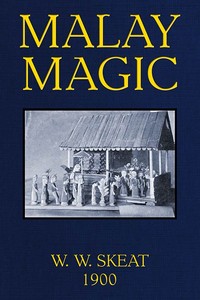
Always visible content "Malay Magic" by Walter William Skeat is an introductory work on folklore and popular religion written in the late 19th century. It explores the rich tapestry of beliefs, customs, and magical practices of the Malays in the Malay Peninsula, drawing upon a variety of sources, including personal observations, native manuscripts, and published works. The book aims to document and analyze the traditional beliefs and practices that are integral to Malay culture, highlighting Hidden checkbox to control the toggle Clickable label to show more The extra text that is initially hidden Clickable label to show less the complexity of their folklore intertwined with influences from Indian, Arab, and indigenous sources. The opening of the book sets the stage for a comprehensive exploration of Malay folklore, establishing the author's intent to create a representative account of Malay beliefs and magical practices. Skeat introduces the key themes such as creation myths, the understanding of nature, and the relationships between humans and the supernatural world. He reflects on the significance of various folkloric beliefs, such as the creation of the world and the role of magic in everyday life, and emphasizes the importance of these elements in understanding the Malay identity and culture. As he begins to unfold these narratives, the reader is invited into the intricate world of Malay magic, laying the foundation for the detailed studies that follow. (This is an automatically generated summary.)
Always visible content "A Short History of Freethought Ancient and Modern, Volume 2 of 2" by J. M. Robertson is a historical account written in the early 20th century. The book explores the evolution of freethought through various significant periods and events, particularly focusing on England, Germany, France, and other European contexts from the Reformation through to the 19th century. This volume highlights the struggles, persecution, and intellectual developments surrounding the rise of rationalism and Hidden checkbox to control the toggle Clickable label to show more The extra text that is initially hidden Clickable label to show less secular thought in the face of prevailing religious dogmas. The opening portion of the work discusses the transition to modern freethought in England during a turbulent historical period that included the reigns of Henry VIII, Mary, and Elizabeth. It highlights the harsh penalties faced by those expressing heterodox beliefs, such as Anabaptists and Unitarians, emphasizing the severity of religious persecution. Additionally, the text documents various notable freethinkers from this era, their philosophical explorations, and the cultural conditions that fostered skepticism, as well as the tensions between belief and criticism within the literary and scientific communities of the time. This early discussion sets the stage for a broader examination of the development of freethought and rationalism across Europe in subsequent chapters. (This is an automatically generated summary.)
Always visible content "Roman Stoicism" by Edward Vernon Arnold is a scholarly examination of Stoic philosophy, particularly its development within the Roman Empire, written in the early 20th century. The text offers a thorough exploration of Stoicism's historical significance, philosophical doctrines, and its influence on later thought and religions. By framing Stoicism as a vital link between ancient and modern philosophies, Arnold emphasizes its relevance to contemporary discussions of morality and governance. The opening of Hidden checkbox to control the toggle Clickable label to show more The extra text that is initially hidden Clickable label to show less the work outlines the foundational premises of Stoicism and situates it within the broader context of world religions. Arnold begins by explaining how Roman literature reflects deep philosophical inquiries characteristic of the Stoics, particularly concerning fate, morality, and the nature of the divine. He highlights the importance of understanding the interplay between these philosophical questions and the socio-political landscape of the Roman world. The author sets the stage for a detailed exploration of the Stoic philosophy's evolution, its interaction with other religious and philosophical traditions like Judaism and Christianity, and its enduring legacy in Western thought. (This is an automatically generated summary.)

Always visible content "The Art of Money Getting: or, Golden Rules for Making Money" by P.T. Barnum is a self-help book written in the late 19th century. This work offers practical advice on achieving financial success and highlights the importance of proper economic habits. Barnum, a renowned showman and entrepreneur, shares his insights based on personal experiences and observations, emphasizing values like hard work, frugality, and integrity. In the book, Barnum discusses essential principles for Hidden checkbox to control the toggle Clickable label to show more The extra text that is initially hidden Clickable label to show less making and retaining wealth. He emphasizes that true economy isn't merely about saving pennies but about ensuring that one's expenses are consistently lower than earnings. He encourages readers to avoid debt, choose vocations that align with their interests, and persist in their endeavors. Barnum’s anecdotes illustrate the pitfalls of extravagance and the significance of maintaining integrity in financial dealings. He asserts that a sound mind and good health are foundational to success, advocating for diligence, systematic work, and charitable behavior as key components of a prosperous life. Ultimately, Barnum’s work serves as a motivational guide for anyone seeking to improve their financial standing and make a lasting impact through honest work. (This is an automatically generated summary.)
Always visible content "The Science of Getting Rich" by W. D. Wattles is a book published in 1910. Wattles presents what he calls the "Certain Way of Thinking," a mental technique rooted in New Thought philosophy that promises to unlock financial prosperity through positive mindset and self-affirmation rather than competition. The work applies mental healing strategies to wealth creation, offering seventeen chapters on overcoming mental barriers. Though widely regarded as pseudoscientific, it inspired later success Hidden checkbox to control the toggle Clickable label to show more The extra text that is initially hidden Clickable label to show less literature and Rhonda Byrne's "The Secret," remaining influential in personal development circles. (This is an automatically generated summary.)

Always visible content "One Thousand Ways to Make a Living; or, An Encyclopædia of Plans to Make Money" by Harold M. Dunphy is a practical guidebook written in the early 20th century. It compiles a diverse range of ideas and plans aimed at helping individuals find methods to earn a living, particularly in the context of post-World War I America. The book focuses on providing actionable, straightforward strategies for generating income, rather than offering vague Hidden checkbox to control the toggle Clickable label to show more The extra text that is initially hidden Clickable label to show less financial advice or "get-rich-quick" schemes. The opening portion of the book introduces the purpose and intention behind its creation, emphasizing its goal of empowering individuals, particularly those affected by unemployment post-war. It features a dedication to assisting those who have sacrificed for their country, as well as highlighting the importance of self-initiative. Furthermore, the text introduces several initial plans for making a living, showcasing inventive ideas like weaving baskets for ferns, becoming a professional hostess, or taking on creative ventures such as cooking and crafting—all of which demonstrate resourcefulness and adaptability. This serves as a foundation for the many strategies that will follow, inviting readers to explore new potential avenues to enhance their livelihoods. (This is an automatically generated summary.)

Always visible content "The History of the Standard Oil Company" by Ida M. Tarbell is an exposé published in 1904. Originally serialized in McClure's magazine, this groundbreaking work of investigative journalism reveals the monopolistic practices of John D. Rockefeller's Standard Oil empire. Through meticulous research and interviews with industry insiders, Tarbell uncovered evidence of price-rigging and predatory business tactics. Her revelations sparked public outrage and helped accelerate the company's eventual breakup in 1911, establishing a Hidden checkbox to control the toggle Clickable label to show more The extra text that is initially hidden Clickable label to show less landmark example of muckraking journalism's power to challenge corporate abuse. (This is an automatically generated summary.)

Always visible content "One Thousand Ways to Make Money" by Page Fox is a practical guide to financial independence, written in the late 19th century. This extensive resource provides a wealth of ideas and strategies for earning income through various means, from starting a business to discovering unique opportunities for making money at home. With thorough insights and methods tailored for individuals seeking to improve their financial status, this book serves as a valuable tool Hidden checkbox to control the toggle Clickable label to show more The extra text that is initially hidden Clickable label to show less for anyone ambitious enough to pursue wealth. The opening portion of the book sets forth the author's intentions clearly: to assist those who are unemployed, underpaid, or simply seeking new avenues for income. Fox outlines how to secure a job or improve one's current employment situation while proposing numerous business strategies that can lead to success. The early chapters emphasize actionable steps such as understanding the importance of hard work, creative advertising techniques, and leveraging personal skills to generate revenue. Additionally, the author provides specific examples of successful individuals who rose from humble beginnings, illustrating that determination and innovation can lead to prosperity. Overall, the beginning of the book establishes a motivational tone, encouraging readers to apply these practical suggestions in their pursuit of financial growth. (This is an automatically generated summary.)

Always visible content "A History of Advertising from the Earliest Times" by Henry Sampson is an extensive historical account written in the late 19th century. This work explores the development, significance, and evolution of advertising throughout history, illustrating its transformations and the various forms it has taken, from ancient times to the author's contemporary period. The book is likely to engage readers interested in the social and economic implications of advertising practices. The opening of Hidden checkbox to control the toggle Clickable label to show more The extra text that is initially hidden Clickable label to show less the text presents an overview of the book's intent and acknowledges the inherent challenges in documenting such a broad subject. Sampson notes that advertising is often mistakenly perceived as a modern invention, emphasizing its roots that can be traced back to ancient civilizations such as Greece and Rome. He begins to highlight different forms of advertising seen in old newspapers, showcasing how these advertisements reflect the life and culture of their times. The author aims to illustrate the development of advertising practices as integral to commerce and society, setting the stage for a deeper examination in subsequent chapters. (This is an automatically generated summary.)

Always visible content "Financial Crime and Corruption" by Samuel Vaknin is a comprehensive examination of global financial misconduct, including corruption, embezzlement, and money laundering, written in the early 21st century. The text serves as an analytical and educational account aimed at understanding the mechanisms and implications of corrupt practices in both political and economic contexts. It delves into various case studies and theories regarding financial crime, illustrating the pervasive nature of these issues across different Hidden checkbox to control the toggle Clickable label to show more The extra text that is initially hidden Clickable label to show less countries and systems. The opening of the book discusses the concept of slush funds, providing historical examples that showcase their misuse in both government and corporate environments. It highlights incidents like the FBI's Operation Swordfish and the corrupt practices of several politicians and organizations, emphasizing the detrimental effects of slush funds on public trust and governance. By setting the stage with concrete examples and precedents, Vaknin provides readers with a foundational understanding of how financial misconduct unfolds and proliferates within institutional frameworks, foreshadowing the broader discussions that will follow throughout the work. (This is an automatically generated summary.)
Always visible content "The Silicon Jungle" by David H. Rothman is an insightful guidebook on personal computing written in the mid-1980s. The book explores the evolving landscape of the computer revolution, emphasizing how technology impacts both individuals and businesses. It addresses critical issues such as computer security, productivity, and the competitive nature of the tech industry, offering practical advice for navigating this complex terrain. At the start of the book, Rothman sets the stage for Hidden checkbox to control the toggle Clickable label to show more The extra text that is initially hidden Clickable label to show less his exploration of the personal computer scene by describing the intense and often cutthroat competition that characterizes the industry. He illustrates this with examples of various businesses and individuals using technology—ranging from car thieves and journalists to lawyers—to gain an edge over their rivals. The opening portion introduces the concept of the "Silicon Jungle," emphasizing the need for strategic use of computers in everyday business operations and foreshadowing the more detailed analyses and case studies that will follow throughout the book. Rothman aims to empower his readers with knowledge and insights that will help them successfully navigate this technological landscape. (This is an automatically generated summary.)

"Railroad Reorganization" by Stuart Daggett is a historical account written in the early 20th century. The work focuses on the intricacies and challenges surrounding the reorganization of various American railroads during a tumultuous period in the late 19th century. Specifically, it examines the financial difficulties that led to receivership and the subsequent restructuring efforts of major railroad companies. At the start of the text, Daggett provides a backdrop detailing the significant number of railroads that fell into receivership between 1893 and 1899, alongside their staggering capitalizations. He outlines the causes resulting in these financial troubles, highlighting the struggles faced by road owners, bondholders, and the legal system. By examining the Baltimore & Ohio and other major railroads, Daggett sets the stage for a thorough exploration of their reorganization processes, potential solutions, and the broader implications these experiences had on the practices and regulations of corporate finance within the industry.

"Business English: A Practice Book" by Rose Buhlig is a practical educational resource aimed at teaching effective communication skills in a business context, written in the early 20th century. This book focuses on both oral and written language, emphasizing the application of literary principles to business communication. Readers can expect to gain insights into the essentials of grammar, composition, and business writing techniques necessary for successful interactions within commercial settings. The opening portion of the book introduces the concept of Business English, asserting that it encompasses more than just letter writing. Buhlig emphasizes the importance of oral communication in various business interactions, from sales pitches to customer service. The text also stresses the value of effective written correspondence, highlighting the challenges posed by correct grammar, punctuation, and clarity in written discourse. It sets the stage for a structured study of language elements, beginning with a focus on word usage, pronunciation, and grammatical principles applicable to both spoken and written English in the business environment.

Always visible content "Up To Date Business" by Seymour Eaton is a comprehensive study guide written in the late 19th century. This educational text covers various aspects of business practices, including banking, finance, geography, transportation, and commercial law, likely intended for students or individuals keen to gain practical knowledge in these fields. The opening of the work introduces its different sections and topics, starting with general business information. It outlines commercial terms, such as the Hidden checkbox to control the toggle Clickable label to show more The extra text that is initially hidden Clickable label to show less distinction between commerce and business, and explains essential financial instruments like bank cheques and promissory notes. Eaton emphasizes the importance of understanding commercial language and practices in conducting business effectively, detailing the intricacies of transactions and financial documentation, which set the stage for readers to gain a solid foundation in business operations. (This is an automatically generated summary.)

Always visible content "My Life and Work" by Henry Ford is a historical account written in the early 20th century. The text provides insights into Ford's life, his philosophical approaches to business, manufacturing, and the transformative impact of the automobile on society. It serves as a reflection on his experiences and the principles that guided the operations of Ford Motor Company. The opening of the work introduces the reader to Ford’s foundational beliefs regarding work Hidden checkbox to control the toggle Clickable label to show more The extra text that is initially hidden Clickable label to show less and service as central to a successful life and business. He emphasizes the value of hard work and intelligent planning, critiquing the then-prevailing attitudes towards finance and profit-driven approaches that neglected genuine customer satisfaction. Ford recounts his early fascination with machinery and mechanics, sharing anecdotes from his childhood and early career that led to the development of his automobiles. This segment highlights his desire to innovate and improve production processes, setting the stage for his later successes in the automotive industry. (This is an automatically generated summary.)
Always visible content "The Story of the Typewriter, 1873-1923" by the Herkimer County Historical Society is a historical account published early in the 20th century. This work commemorates the invention and evolution of the typewriter over a fifty-year period, highlighting its significant role in transforming communication and business practices. The book explores the typewriter's impact on society, particularly its contribution to the economic emancipation of women and the overall progression of modern life. The opening Hidden checkbox to control the toggle Clickable label to show more The extra text that is initially hidden Clickable label to show less of the book introduces the historical context of the typewriter's invention, beginning with its roots in the little Mohawk Valley village of Ilion, New York. The text discusses the gradual realization of a need for a writing machine and outlines the early attempts at creating such devices, beginning from the 18th century with Henry Mill's patent, to the pivotal moment when Christopher Latham Sholes and his colleagues developed the first practical typewriter in the late 1860s. The narrative sets the stage for a comprehensive exploration of the typewriter's technological advancements, societal impacts, and the key figures involved in its development, ultimately laying the groundwork for understanding how this groundbreaking invention revolutionized communication. (This is an automatically generated summary.)

Always visible content "Mr. Honey's Large Business Dictionary (German-English)" by Winfried Honig is a bilingual reference work likely written in the early 21st century. This comprehensive dictionary focuses on business-related phrases and terminologies commonly used in both English and German, serving as a valuable resource for students and professionals alike who wish to navigate the language of business in an international context. The opening of the dictionary outlines its purpose as a tool to aid Hidden checkbox to control the toggle Clickable label to show more The extra text that is initially hidden Clickable label to show less English and German speakers in understanding and using business terminology effectively. Winfried Honig's background as an educator and his involvement with projects aimed at teaching business English are highlighted, providing insight into his motivation for creating this extensive work. Additionally, the introduction explains the history behind the dictionary's development, including its digitization efforts and contributions to online platforms to further support language learners in professional environments. (This is an automatically generated summary.)

Always visible content "United States Steel: A Corporation with a Soul" by Arundel Cotter is a historical account written in the early 20th century, specifically 1921. The work explores the foundational story of the United States Steel Corporation, emphasizing the interplay between corporate development and the broader context of the steel industry in America. Through the narrative, Cotter suggests that behind the formidable corporate structure lies a sense of ethics and responsibility, advocating for a Hidden checkbox to control the toggle Clickable label to show more The extra text that is initially hidden Clickable label to show less perception of the corporation not merely as a business entity but as an institution with moral obligations towards its employees and society. The opening of the book establishes a clear framework for understanding the significance of the United States Steel Corporation within the larger narrative of American industrialization. It introduces Elbert H. Gary, the chairman and chief executive officer, whose vision and leadership are depicted as instrumental in shaping the corporation’s ethos. The prologue suggests that the corporation, which dwarfed its competitors in size and influence, also sought to redefine corporate responsibility by promoting fair competition and transparency in business practices. This veritable blend of corporate ambition and social consciousness lays the groundwork for the detailed history that follows, tracing the evolution of the steel industry's practices and its prominent figures, foreshadowing the in-depth examination of events leading to the establishment of this industrial giant. (This is an automatically generated summary.)

Always visible content "Random Reminiscences of Men and Events" by John D. Rockefeller is a collection of personal anecdotes and reflections written in the early 20th century. The work offers insights into Rockefeller's encounters with significant figures in the business world and his perspective on various events that shaped his life and career. Through these reminiscences, he aims to provide a personal account of the collaboration and challenges faced during his time, particularly highlighting the Hidden checkbox to control the toggle Clickable label to show more The extra text that is initially hidden Clickable label to show less Standard Oil Company's evolution. The opening of the book establishes Rockefeller's intention to share personal stories from his extensive career, emphasizing the importance of relationships and the pivotal moments that influenced his path. He reflects on his early associations with key partners like John D. Archbold and Henry Flagler, recalling the dynamics of their collaborations and the vital conversations that characterized their time together. This introduction sets the stage for a deeper exploration of the oil industry’s development, the challenges of business management, and the necessity of effective partnerships throughout Rockefeller's journey. (This is an automatically generated summary.)

Always visible content "Cyclopedia of Commerce, Accountancy, Business Administration, v. 04 (of 10)" is a comprehensive reference work on business and accounting practices likely written in the early 20th century. This volume, part of a larger ten-volume set, focuses on various topics including accounting principles, commercial law, management, and specialized information pertinent to diverse business sectors. The text is prepared by a host of experts in the field, aiming to consolidate practical knowledge for professionals Hidden checkbox to control the toggle Clickable label to show more The extra text that is initially hidden Clickable label to show less and students. The opening of this volume begins with a foreword discussing the increased demand for improved business methods due to the rapid growth of commercial activities. It identifies a gap in the existing literature, arguing that while there is a wealth of material on specific business practices, a cohesive and comprehensive reference is lacking. The foreword establishes the Cyclopedia’s purpose to serve as an instructional resource, blending theoretical knowledge with practical applications, particularly in accounting and business administration, thus catering to both students and professionals seeking to enhance their understanding of modern business methods. (This is an automatically generated summary.)

Always visible content "The Principles of Scientific Management" by Frederick Winslow Taylor is a monograph published in 1911. Taylor presents his vision for transforming industrial work through systematic principles rather than relying on individual workers' methods. He argues that maximum prosperity for both employers and employees can be achieved through scientific analysis of work tasks, proper training, and cooperation. Taylor identifies why workers deliberately slow down and proposes replacing traditional "rule-of-thumb" approaches with measured, efficient Hidden checkbox to control the toggle Clickable label to show more The extra text that is initially hidden Clickable label to show less methods based on time and motion studies. (This is an automatically generated summary.)

Always visible content "Accounting Theory and Practice, Volume 2" by Roy B. Kester is a scientific publication written in the early 20th century. This textbook is aimed at college students studying business administration and focuses on advanced topics in accounting, specifically regarding corporations and their financial complexities. The work emphasizes the principles of valuation critical to understanding the corporate balance sheet and addresses various accounting practices necessary for effective corporate financial management. The opening of Hidden checkbox to control the toggle Clickable label to show more The extra text that is initially hidden Clickable label to show less the volume outlines the author's expectation that readers are familiar with the first volume, which laid foundational accounting principles. It discusses the corporation as the primary subject, detailing its structure, different types of stock, and accounting methods pertinent to corporations. Kester highlights the evolution of accounting systems, emphasizing the need for a systematic approach to handling expenses and the imperative role that accurate practices play in business organization and management. The preface sets the stage for a meticulous exploration of accounting theories as applied to the financial aspects of corporations. (This is an automatically generated summary.)

Always visible content "Mr. Honey's Medium Business Dictionary (German-English)" by Winfried Honig is a bilingual dictionary designed for business terminology, prepared in the early 21st century. This reference work features German phrases and their English equivalents, emphasizing practical expressions commonly used in business contexts. The book serves as a resource for English and German speakers looking to navigate specialized language in various industrial sectors. The opening of this dictionary outlines its purpose and development, tracing Hidden checkbox to control the toggle Clickable label to show more The extra text that is initially hidden Clickable label to show less its roots back to the 1970s when the author began compiling phrases to meet the needs of colleagues and students learning business English. It highlights the collaborative efforts behind producing effective dictionaries for specialized language, demonstrating the author's commendable initiative. Additionally, it mentions the integration of these phrases into various online dictionaries and acknowledges the non-commercial nature of this work, which aims to promote business language proficiency among users of both languages. (This is an automatically generated summary.)

Always visible content "The Psychology of Management" by Lillian Moller Gilbreth is a book published in 1914 that investigates the psychological aspects of scientific management. Gilbreth argues for incorporating the "human element" into management principles, emphasizing workers as individuals with personalities rather than merely economic units. Originally her unpublished doctoral dissertation, the work challenged prevailing management theories by bringing together fundamental elements including individual behavior, group theory, communication, and rational decision-making—establishing it as a pioneering Hidden checkbox to control the toggle Clickable label to show more The extra text that is initially hidden Clickable label to show less contribution to industrial psychology. (This is an automatically generated summary.)
Always visible content "The Employments of Women: A Cyclopædia of Woman's Work" by Virginia Penny is a comprehensive guidebook written in the mid-19th century. This work serves as an encyclopedia that explores various employments available to women, addressing the critical need for women to earn a livelihood during a time when many were becoming increasingly independent due to societal changes, particularly due to the Civil War. The book aims to provide practical advice and insights Hidden checkbox to control the toggle Clickable label to show more The extra text that is initially hidden Clickable label to show less into various occupations, highlighting opportunities that women can pursue beyond traditional roles. The opening of the book presents a preface and an introduction that articulate the urgent social context of the time. Virginia Penny emphasizes the importance of providing women with access to practical information about career opportunities, especially in the wake of a million men being deployed to the battlefield. She discusses the misconceptions surrounding women in the workforce and argues for expanding women's roles in various trades and professions. The author outlines her intent to create a manual that not only gives descriptions of women's work within a business context but also addresses wage disparities, educational qualifications, and the importance of employment to the dignity and well-being of women. (This is an automatically generated summary.)

Always visible content "History of the Comstock Patent Medicine Business and Dr. Morse's Indian Root Pills" by Robert B. Shaw is a historical account written during the late 20th century. The work examines the evolution of the Comstock Company and its flagship product, Dr. Morse's Indian Root Pills, exploring the intricacies of the patent medicine industry from its origins in the 19th century to the modern era. Shaw not only documents the business's local impact Hidden checkbox to control the toggle Clickable label to show more The extra text that is initially hidden Clickable label to show less in Morristown, New York, but also its broader significance in the context of American commerce and medicine. At the start of the narrative, Shaw introduces the Comstock factory, a notable establishment in the small village of Morristown, which played a central role in the local economy for nearly a century. The opening section provides a backdrop to the factory's humble beginnings, its gradual expansion, and the eventual challenges it faced with changes in medical practices and regulations. Additionally, the author delves into the origins of the company, including the Comstock family's involvement and the foundation of Dr. Morse's Indian Root Pills, outlining the complicated relationships and business dynamics that marked its history, complete with legal disputes and the company’s strategic advertising methods. (This is an automatically generated summary.)

Always visible content "Little Journeys to the Homes of the Great - Volume 11" by Elbert Hubbard is a collection of biographical sketches written in the early 20th century. This volume focuses specifically on notable figures in the realm of business, highlighting the achievements and philosophies of influential businessmen. The book aims to explore the ideas and contributions of individuals like Robert Owen and James Oliver, emphasizing their impact on industry and society. At the Hidden checkbox to control the toggle Clickable label to show more The extra text that is initially hidden Clickable label to show less start of the book, Hubbard presents Robert Owen as a pioneering businessman and social reformer who believed in the moral imperative of creating mutually beneficial business relationships. The text recounts Owen's early life and career, including his return to his hometown after years away and his commitment to improving working conditions and promoting the well-being of employees. The narrative highlights Owen's rejection of exploitation in business practices, his dedication to education, and his vision of an ideal society where the prosperity of individuals is intertwined with the greater good. Following Owen's introduction, the biography of James Oliver begins, detailing his journey as an innovative plow maker and the founding of the Oliver Plow Works, which emphasized quality and utility in farming equipment. (This is an automatically generated summary.)

Always visible content "Color Images from Mars Rovers" by Bob Webster is a scientific publication created in the early 21st century. The book showcases a collection of color-enhanced images taken by NASA's Mars rovers, Opportunity and Spirit, providing readers with a vibrant visual experience of the Martian landscape. The primary topic of the book is the presentation of these reconstructed images alongside explanations of the methods used to create them, shedding light on the workings Hidden checkbox to control the toggle Clickable label to show more The extra text that is initially hidden Clickable label to show less of the rovers and the complexities involved in capturing color data from Mars. In this publication, Bob Webster recounts his efforts in combining raw black-and-white images from the Mars rovers into color photographs, thus enhancing the visual representation of the Martian terrain. The book details the technical aspects of image processing, including the different colored filters used by the rovers and the influence of various factors such as lighting and camera calibration on the final images. Each colored image is accompanied by descriptions of significant geological features observed by the rovers, such as the "blueberries" and layered sediments, providing insights into the planet's history and composition. Overall, the book serves as an informative resource for anyone interested in Mars exploration and the technological advancements in capturing extraterrestrial imagery. (This is an automatically generated summary.)

Always visible content "Modern Ships of War" by Sir Edward J. Reed and Edward Simpson is a naval engineering treatise written in the late 19th century. This book examines the evolution and design of warships, particularly in relation to advancements in naval technology and armament. The authors aim to analyze the marked changes in warship construction and effectiveness from earlier wooden vessels to modern metal ships, highlighting the implications of these developments for naval powers, Hidden checkbox to control the toggle Clickable label to show more The extra text that is initially hidden Clickable label to show less especially the United States and Great Britain. The opening of the book sets the stage for a detailed discussion on the dramatic transformations in naval warfare over a thirty-year period. It highlights the shift from traditional wooden ships to modern armored vessels, touching on key concepts such as the classification of warships, the importance of artillery advancements, and the challenges posed by evolving naval strategies. Reed discusses the urgency of reinvigorating naval power in the U.S. after a period of neglect, arguing for a proactive approach to developing a fleet capable of meeting contemporary military challenges. The introductory chapter serves as a comprehensive overview, establishing a context for the subsequent exploration of various nations' naval strengths and design philosophies. (This is an automatically generated summary.)

Always visible content "The Notebooks of Leonardo Da Vinci — Complete" by Leonardo da Vinci is a comprehensive collection of writings and sketches that delve into various aspects of art and science, first compiled in the late 19th century. The notebooks reveal Leonardo's insights and observations on topics such as painting techniques, perspective, anatomy, and natural phenomena, reflecting the innovative spirit of the Renaissance era. The content spans approximately thirty years of Leonardo's intellectual labor, Hidden checkbox to control the toggle Clickable label to show more The extra text that is initially hidden Clickable label to show less showcasing his analytical approach to understanding the world. The opening of the work provides an introduction and context for Leonardo's writings, emphasizing the challenges in deciphering his unique handwriting and the chaotic arrangement of his notes. It outlines the author's intent to publish his manuscripts, which cover a wide range of subjects, from theoretical knowledge required for painting to the principles of perspective. Additionally, the preface highlights the confusion present in the manuscripts and the importance of organizing them logically to aid readers. This initial portion sets the stage for an exploration of Leonardo's brilliant mind, inviting readers to engage with the fascinating intersection of art and science he so passionately pursued. (This is an automatically generated summary.)

Always visible content "Practical Mechanics for Boys" by James Slough Zerbe is a practical guide written in the early 20th century. This instructional text aims to introduce young readers to the fundamentals of mechanics, specifically focusing on the tools and techniques relevant to the field. The book is structured to enhance the understanding of various tools, their proper use, and basic mechanical principles, all of which are conveyed in straightforward language geared towards a younger Hidden checkbox to control the toggle Clickable label to show more The extra text that is initially hidden Clickable label to show less audience. The opening of the book serves as an introduction to the author's perspective on the American method of teaching mechanical arts compared to apprenticeship systems abroad. It highlights the importance of individual merit in skill acquisition while emphasizing that the intention is not merely to produce machinists but to instill a deeper understanding of mechanics in boys. Through various chapters, the author discusses the significance of proper tool usage, maintenance, and organization in the workshop. The book aims to inspire readers by emphasizing the satisfaction that comes from mastering mechanical skills, along with practical instructions for constructing and manipulating various tools and machines. (This is an automatically generated summary.)

Always visible content "The British Battle Fleet, Vol. 2: Its Inception and Growth Throughout the Centuries to the Present Day" by Fred T. Jane is a historical account written in the early 20th century. This volume serves as a comprehensive continuation of the evolution of the British Navy, examining both the technical advancements in naval architecture and the shifts in military strategy across different eras. The focus of this volume lies on significant battleship classes Hidden checkbox to control the toggle Clickable label to show more The extra text that is initially hidden Clickable label to show less and innovations, highlighting individual ships and their contributions to naval warfare. The opening of this volume begins with an exploration of the "Barnaby Era," detailing the design philosophies and battleship innovations led by Sir N. Barnaby in the late 19th century. It discusses strategic principles advocating stronger offensive capabilities over defensive measures in ship design, leading to a range of battleships like the "Inflexible" that sought to blend power with protection. The narrative provides insights into the changing nature of naval conflicts while setting the stage for subsequent developments in British maritime history. As Jane outlines various classes and specific ships, it becomes clear that this work is both a technical examination of these vessels and a reflection on their historical significance in the context of British naval supremacy. (This is an automatically generated summary.)

Always visible content "The Online World" by Odd De Presno is a guidebook on utilizing online services and resources, written during the early 1990s. The book aims to explore the expansive realm of online information resources available at that time, focusing on practical applications that individuals, educators, and professionals can leverage. It provides insights into various online offerings, including databases, communication networks, and entertainment platforms, making it relevant for anyone looking to navigate the budding Hidden checkbox to control the toggle Clickable label to show more The extra text that is initially hidden Clickable label to show less digital landscape. The opening of "The Online World" introduces readers to the author's intent and the book's structure. In the preface, de Presno outlines that the book is designed to be accessible, catering to a wide audience—from novices to experienced online users. The subsequent lines highlight the interconnectedness of online services and the diverse applications available, emphasizing stories of individuals leveraging these technologies for personal, educational, and professional gain. The chapter begins with an anecdote showcasing the value of online information in managing health issues and expands upon various user experiences that illustrate the transformative nature of online communication, making a compelling case for the necessity of understanding and utilizing the online world. (This is an automatically generated summary.)

Always visible content "The Progress of Invention in the Nineteenth Century" by Edward W. Byrn is a historical account written in the late 19th century. The work presents an overview of the significant inventions and technological advancements that characterized the 1800s, emphasizing the profound impact of human ingenuity on society. With a focus on patents, the author aims to provide a comprehensive perspective on how these innovations have contributed to modern life and shaped the Hidden checkbox to control the toggle Clickable label to show more The extra text that is initially hidden Clickable label to show less world we live in today. At the start of the book, Byrn reflects on the explosive progress of invention during the 19th century, contrasting it with previous periods where such developments were slow and incremental. He describes the era as a remarkable climax of creative thought, resulting in labor-saving devices and modernization that benefitted human life. The opening chapters introduce the foundational works and inventors, signaling the beginning of a transformative century that shifted society towards a more technological and efficient future. Byrn acknowledges the challenges faced by inventors, including societal resistance and prejudice against new technologies, but ultimately highlights the advancements that ring true to an age characterized by creativity and innovation. (This is an automatically generated summary.)

Always visible content "De Re Metallica, Translated from the First Latin Edition of 1556 by Georg Agricola" is a technical treatise published posthumously in 1556. This comprehensive work catalogues Renaissance-era mining, refining, and smelting methods, remaining the authoritative mining text for 180 years. Featuring 292 detailed woodcut illustrations, it documented German mining technology—the most advanced of its time—making specialized knowledge accessible across Europe through Latin publication and practical diagrams that allowed readers to replicate cutting-edge Hidden checkbox to control the toggle Clickable label to show more The extra text that is initially hidden Clickable label to show less techniques. (This is an automatically generated summary.)

Always visible content "Smithsonian Institution - United States National Museum - Bulletin 240" is a scientific publication written in the late 20th century. This volume compiles a selection of papers focusing on various historical and technological contributions showcased by the Smithsonian Institution's Museum of History and Technology. The topics covered include early American automobiles, astronomical clocks, and engineering innovations, providing readers with an insightful glimpse into the evolution of technology in different fields. The opening Hidden checkbox to control the toggle Clickable label to show more The extra text that is initially hidden Clickable label to show less of this bulletin introduces a comprehensive examination of the 1893 Duryea Automobile, detailing its development by brothers Charles and Frank Duryea as they sought to create a practical self-propelled vehicle. This part narrates the early challenges the brothers faced, including the construction of their first working automobile, and highlights their attempts to innovate the design and functionality of the vehicle. The paper draws on historical accounts and technical descriptions, uncovering the groundwork of American automotive history and offering a detailed look into the initial experiences that shaped the automotive industry. (This is an automatically generated summary.)
Always visible content "The Palace and Park" by Forbes, Latham, Owen, Scharf, and Shenton is a guidebook written in the mid-19th century. The work serves as a comprehensive account of the Crystal Palace and its surrounding gardens, offering valuable insights into its natural history and the notable portrait gallery it contains. The text aims to enhance the visitor's experience by providing a thorough understanding of the art, architecture, and exhibitions housed within the palace. The Hidden checkbox to control the toggle Clickable label to show more The extra text that is initially hidden Clickable label to show less opening of the guide details the intention to simplify navigation and exploration of the Crystal Palace and its extensive collections. It introduces various elements such as the refreshment tariffs, official announcements, and event listings relevant to visitors. Notably, it highlights the palace’s architectural significance, historical context, and the efforts made to create an engaging educational environment through exhibits that blend art and science. The authors emphasize accessibility and enjoyment for the public, setting a tone that encourages both leisure and learning. (This is an automatically generated summary.)

Always visible content "How It Works" by Archibald Williams is a scientific publication written in the early 20th century. The work aims to explain the fundamental principles behind various physical phenomena and mechanisms encountered in daily life, such as steam, electricity, and sound, using simple language that caters to an audience without an in-depth technical background. At the start of the text, the author shares his motivation for writing, noting the frequency of questions he Hidden checkbox to control the toggle Clickable label to show more The extra text that is initially hidden Clickable label to show less has received asking for clarification on how various devices operate. He indicates that the text will cover a range of topics, including steam engines, electrical apparatus, and optics, with a focus on fundamental principles rather than exhaustive technical specifics. It includes illustrations and diagrams to enhance understanding, illustrating how common mechanisms function, such as the steam engine's operations, safety measures for boilers, and a comparison of natural organs to man-made machines, signaling a clear intent to demystify complex scientific concepts for the uninitiated. (This is an automatically generated summary.)

Always visible content "The Book of Wonders: Gives Plain and Simple Answers to the Thousands of..." edited by Rudolph J. Bodmer is an illustrated educational compendium written in the early 20th century. This work serves as a wide-ranging reference, offering clear, concise explanations for a vast array of "everyday questions" about science, technology, language, and human inventions. Its evident aim is to stimulate curiosity and provide practical knowledge on how both nature and human ingenuity Hidden checkbox to control the toggle Clickable label to show more The extra text that is initially hidden Clickable label to show less have shaped the modern world. The book's accessible style and abundance of illustrations make it suitable for curious readers of all ages, especially children and young adults eager to understand the wonders that surround them. The opening of "The Book of Wonders" begins by detailing the book's origins—rooted in a father's efforts to answer his son's questions—and frames the work as a response to the innate curiosity found in children. The first section delves into foundational topics such as the history of writing instruments (from the stylus to the steel pen), how writing and speech developed, and the evolution of language and personal names. Subsequent segments explain practical inquiries like why a pencil writes, how a camera captures images, what causes stars to twinkle, and the origins of tools and weapons. Early chapters also offer engaging narratives about technological progress, from primitive stone-throwing to modern firearms, and provide clear scientific explanations for everyday phenomena—ensuring readers are both informed and inspired to wonder about the world. (This is an automatically generated summary.)
Always visible content "A History of Inventions, Discoveries, and Origins, Volume 2 (of 2)" by John Beckmann is a historical account written in the mid-19th century. This work details various inventions and discoveries throughout history, exploring their origins and the impact they have had on society. The second volume continues to provide insight into technological advancements, notably focusing on significant inventions such as the steam engine and its development by figures like James Watt. At Hidden checkbox to control the toggle Clickable label to show more The extra text that is initially hidden Clickable label to show less the start of the book, the reader is introduced to a detailed examination of the steam engine, tracing its evolution from ancient concepts to Watt's pivotal improvements in efficiency and design. Beckmann highlights prior inventors, such as Hero of Alexandria and Denis Papin, while setting the stage for Watt’s transformative contributions, such as separating the condensation process. This opening portion not only serves as a rich historical narrative but also emphasizes the broader implications of these inventions on industrial progress and daily life, ultimately establishing a foundation for further discussions on various other inventions that follow in the text. (This is an automatically generated summary.)

Always visible content "Concrete Construction: Methods and Costs" by Halbert P. Gillette and Charles S. Hill is a technical guide focused on the industry of concrete construction, written in the early 20th century. This publication provides in-depth insights into various construction methods, materials, and the costs associated with concrete construction, offering a practical resource for engineers and contractors involved in building concrete structures. The opening of the book presents a preface that highlights its intent Hidden checkbox to control the toggle Clickable label to show more The extra text that is initially hidden Clickable label to show less to assist professionals in understanding concrete construction methods and associated costs. The authors specifically aim to provide valuable information tailored for builders rather than delving into topics such as cement testing or material properties, which are covered elsewhere in engineering literature. This portion also outlines the extensive research conducted by the authors, emphasizing the importance of knowing concrete construction methods for optimal design. Overall, the beginning establishes a foundational understanding of the book's practical applications in the construction industry. (This is an automatically generated summary.)
Always visible content "History of the Royal Sappers and Miners, Volume 1 (of 2)" by T. W. J. Connolly is a historical account written in the mid-19th century. This work details the formation and evolution of the Royal Sappers and Miners, a military engineering corps, starting from its inception in 1772 through various significant periods of military activity, including the Siege of Gibraltar. The book highlights their contributions and roles in both engineering and combat Hidden checkbox to control the toggle Clickable label to show more The extra text that is initially hidden Clickable label to show less operations, showcasing the corps' importance within the British military framework. At the start of the book, Connolly discusses the foundation of the Soldier-Artificer Company at Gibraltar, established to replace unreliable civilian workers with military artisans for construction and fortification tasks. The narrative details the challenges faced by the garrison, including hardships during sieges, the need for reliable labor, and the eventual transition to an organized military body equipped to handle both civilian and military engineering duties. Through military discipline and dedicated service, the company demonstrated its value during critical periods, particularly during the Spanish siege, setting the stage for the full history that follows in the subsequent chapters. (This is an automatically generated summary.)

Always visible content "Waterways and Water Transport in Different Countries" by J. Stephen Jeans is a historical account written in the late 19th century. This comprehensive work explores the subject of water transport, particularly focusing on artificial waterways like canals. The author addresses the importance of adequate transport facilities to a nation's economic well-being and provides a detailed examination of various canal systems around the world, including well-known projects like the Panama and Suez Canals. Hidden checkbox to control the toggle Clickable label to show more The extra text that is initially hidden Clickable label to show less At the start of the work, the author sets the stage for a discussion on the critical role that effective transportation plays in the prosperity of nations. He emphasizes the historical evolution of waterway construction, discussing the significance of canals from ancient civilizations to modern developments. The opening portion also outlines the author’s intentions to explore specific canals through detailed historical narratives and technical advancements, all while anticipating the future significance of waterways in alleviating transport challenges faced by populated inland regions. (This is an automatically generated summary.)

Always visible content "The Evolution of Naval Armament" by Frederick Leslie Robertson is a historical account written in the early 20th century. The book delves into the significant advancements in naval technology and armaments, particularly during the 19th century, covering the evolution of ships, guns, and propulsion systems. Robertson, an engineer commander in the Royal Navy, aims to bridge the gap in popular literature concerning naval history, providing insights into the technical aspects and material Hidden checkbox to control the toggle Clickable label to show more The extra text that is initially hidden Clickable label to show less developments that shaped modern naval forces. At the start of the work, the author introduces the theme of naval architecture and the evolution of warships, focusing on the limitations of earlier designs, primarily the sailing ship and its inability to match the maneuverability of oar-driven galleys before the 14th century. He discusses the gradual advancements leading to the incorporation of artillery, driven by innovations like gunpowder and the mariner's compass, which together transformed naval warfare. Robertson emphasizes the historical challenges faced in ship design and construction, highlighting the interplay between naval technology and warfare strategies throughout different eras. (This is an automatically generated summary.)
Always visible content "Steam-ships: The Story of Their Development to the Present Day" by R. A. Fletcher is a historical account written in the early 20th century. The book explores the evolution of steam-powered ships and focuses on the innovations that propelled their development over the last century. The author examines the significance of steam-ships in broader historical contexts, particularly their impact on trade and transportation, emphasizing the transition from sailing ships to steam-powered vessels. Hidden checkbox to control the toggle Clickable label to show more The extra text that is initially hidden Clickable label to show less The opening of the work provides a thorough introduction to the history of steam-ships, detailing early mechanical propulsion attempts and the gradual move from sail to steam. Fletcher discusses primitive designs, such as paddle-wheels, and highlights significant individuals and inventions that marked the progress of steam navigation, including notable figures like Robert Fulton and John Fitch, as well as key innovations like the use of screw propellers. Through this exploration, the author sets the stage for a detailed examination of the technological advancements and pivotal moments that shaped steam navigation, revealing the intertwined histories of engineering, commerce, and maritime travel. (This is an automatically generated summary.)

Always visible content "Edison: His Life and Inventions" by Frank Lewis Dyer and Thomas Commerford Martin is a historical account likely written in the early 20th century. The narrative focuses on Thomas Alva Edison, one of America's most prolific inventors, and details his remarkable journey through life, marking his contributions to the field of electricity alongside the significant technological advancements occurring during his era. The opening of the book sets the stage by examining the Hidden checkbox to control the toggle Clickable label to show more The extra text that is initially hidden Clickable label to show less socio-political climate of the mid-19th century when Edison was born, highlighting the flourishing age of electricity. It introduces Edison's lineage and early influences, portraying his childhood curiosity and the nurturing yet challenging environment he grew up in. The text stresses Edison's early fascination with science, particularly chemistry and electrical experiments, foreshadowing his future innovations. Through anecdotes, it illustrates Edison's relentless pursuit of knowledge, even at a young age, and hints at the trials he faced that shaped him into the groundbreaking inventor the world would come to admire. This early glimpse into Edison's life establishes the foundation for understanding his extraordinary contributions to modern technology. (This is an automatically generated summary.)

Always visible content "Jane's All the World's Aircraft. 1913" by Fred T. Jane is an aviation annual published in 1913. As the founding editor, Jane created what would become the definitive reference for aircraft worldwide. This fourth edition captures aviation at a pivotal moment, documenting the flying machines of the early twentieth century. The publication's meticulous cataloging of aircraft established a standard that would endure through world wars and technological revolutions, making it an essential Hidden checkbox to control the toggle Clickable label to show more The extra text that is initially hidden Clickable label to show less resource for understanding aviation's formative years. (This is an automatically generated summary.)
Always visible content "History of Merchant Shipping and Ancient Commerce, Volume 4" by W. S. Lindsay is a historical account written in the late 19th century. The book details the evolution of merchant shipping and the development of commerce throughout history, focusing specifically on advancements in maritime technology and navigation methods. It serves as a comprehensive exploration of how marine propulsion systems, particularly steam power, have transformed maritime trade. The opening of this volume presents Hidden checkbox to control the toggle Clickable label to show more The extra text that is initially hidden Clickable label to show less a detailed examination of the earliest modes of propulsion used in maritime vessels, tracing their origins back to ancient civilizations. It describes significant figures in the development of naval technology, including Hero of Alexandria and James Watt, and discusses various experiments and inventions that led to the emergence of steam navigation. Furthermore, Lindsay highlights the connection between historical innovations and modern practices, suggesting that many concepts in usage today have roots in ancient designs and theories of propulsion. (This is an automatically generated summary.)

Always visible content "The Encyclopaedia Britannica, 11th Edition, 'Destructors' to 'Diameter' " by Various is a comprehensive reference work that covers a wide range of topics from the field of arts, sciences, and general information, likely written in the early 20th century. This particular volume appears to focus on concepts and machinery related to waste disposal and disposal technology, as indicated by the detailed discussions on the workings of destructor plants—facilities used for burning refuse Hidden checkbox to control the toggle Clickable label to show more The extra text that is initially hidden Clickable label to show less and waste material efficiently and with minimal environmental impact. The opening portion of this encyclopaedia begins with the technical explanation of "Destructor" technology, emphasizing its design, operational efficiency, cost factors, and environmental considerations. It provides insights into how these waste disposal systems function, including the importance of chimney drafts and combustion temperatures. Additionally, it touches upon economic factors related to waste burning, such as the costs associated with operating various destructor models across different towns, and discusses the utility of residues produced from burning refuse, underscoring the pivotal role of such technology in waste management practices pertinent to urban settings. (This is an automatically generated summary.)

Always visible content "Highways and Highway Transportation" by George R. Chatburn is a scientific publication written in the early 20th century. This work discusses the historical development and significance of highways in the United States, illustrating their role in transportation and civilization. The author aims to provide readers with a comprehensive overview of highway evolution from primitive trails to modern road systems. The opening of this publication sets the stage by discussing the essential relationship Hidden checkbox to control the toggle Clickable label to show more The extra text that is initially hidden Clickable label to show less between transportation and civilization, arguing that the state of transportation reflects the progress of a society. Chatburn introduces various stages of civilization, detailing how transportation has evolved alongside societal development from early trails used by aboriginal peoples to more organized transportation systems established by settlers. He emphasizes the importance of highways in accommodating the needs of commerce and travel, and lays the groundwork for delving into specific historical developments in later chapters. (This is an automatically generated summary.)

Always visible content "Encyclopaedia Britannica, 11th Edition, 'Armour Plates' to 'Arundel, Earls of'" is a comprehensive reference work written in the early 20th century. This volume is part of a larger encyclopaedic series that covers a wide range of topics, including arts, sciences, and historical accounts. The content likely details the history and technical specifications of various types of armour and weapons, specifically focusing on the evolution of armour plates, both for naval ships and Hidden checkbox to control the toggle Clickable label to show more The extra text that is initially hidden Clickable label to show less military applications. At the start of this volume, the article on "Armour Plates" introduces the early exploration into armoured warships, beginning with designs from Sir William Congreve in 1805 and progressing through various experiments and applications leading up to the Crimean War in 1853. It details significant developments in the field of armouring techniques, including the construction, testing, and materials used for different types of armour, as well as laws of resistance pertinent to their effectiveness against projectiles. The writing also delves into the military and naval necessity for such armament, providing a blend of historical context and technical insight into the evolution of armoured defence systems. (This is an automatically generated summary.)
Always visible content "Olympic Victor Monuments and Greek Athletic Art" by Walter Woodburn Hyde is a historical account written in the early 20th century. The work delves into the genre of Greek sculpture, focusing specifically on the monuments erected at Olympia and throughout the Greek world to honor victorious athletes of the Olympic games. This examination is framed by an in-depth analysis of the artistic, cultural, and historical contexts surrounding these monuments. At the start Hidden checkbox to control the toggle Clickable label to show more The extra text that is initially hidden Clickable label to show less of the text, Hyde introduces the purpose of his study, which is to reconstruct the various types and poses of surviving remnants of these victor statues, as well as to explore the literary and archaeological sources that inform this research. He emphasizes the challenges present due to the limited number of surviving artifacts and the complexities involved in identifying these monuments, which were often destroyed or lost over time. The opening chapters set the stage for an exploration of early Greek athletics, the significance of victor monuments, and the stylistic and material aspects of the art form, outlining the structure and themes that will be explored in greater detail throughout the book. (This is an automatically generated summary.)
Always visible content "History of Ancient Pottery: Greek, Etruscan, and Roman. Volume 2 (of 2)" by H. B. Walters is a scientific publication written in the early 20th century. This volume specializes in the comprehensive examination of ancient pottery, focusing on the intricacies of Greek, Etruscan, and Roman ceramics. It covers various styles, themes, and techniques, making it a pertinent resource for those interested in ancient art and archaeology. The opening of the volume sets Hidden checkbox to control the toggle Clickable label to show more The extra text that is initially hidden Clickable label to show less the stage for an extensive exploration of the topics presented on Greek vases. It introduces the relationship between vase decoration, mythology, and ancient literature, shedding light on how these artistic expressions not only reflect cultural beliefs but also serve as a significant source of historical knowledge. The content outlines the arrangement of the chapters that delve into various subjects from the Olympian deities to heroic legends and everyday life, establishing a framework for understanding the rich iconography that characterizes ancient pottery. (This is an automatically generated summary.)

Always visible content "What Is Art?" by graf Leo Tolstoy is a philosophical work completed in 1897. Tolstoy questions the very nature of art, rejecting beauty-based definitions to propose that art is anything communicating emotion—from jokes to church services. Yet his Christian moralism leads him to dismiss celebrated masters like Beethoven, Wagner, and Shakespeare, along with most of his own writings. He condemns the obscurity and artificiality of contemporary art, insisting that true art must Hidden checkbox to control the toggle Clickable label to show more The extra text that is initially hidden Clickable label to show less be accessible to all and serve humanity's moral evolution by evoking brotherhood and love. (This is an automatically generated summary.)
Always visible content "Language of Flowers" by Kate Greenaway is a beautifully illustrated collection that blends botany with poetic expression, likely written during the late 19th century. This book serves as a charming exploration of the meanings attributed to various flowers, revealing the language of flowers and their symbolism throughout history. This enchanting work captures the essence of floral communication, offering readers a glimpse into how flowers convey emotions and sentiments. The book presents an Hidden checkbox to control the toggle Clickable label to show more The extra text that is initially hidden Clickable label to show less extensive alphabetical compilation of flowers, each accompanied by a brief description of its symbolic meaning. For example, the rose represents love, while the daisy epitomizes innocence. Interspersed with illustrations, the text creates a vivid tapestry of vivid imagery and sentiment, serving as both a reference for flower meanings and an aesthetic celebration of nature's beauty. Through its careful curation, "Language of Flowers" invites readers to not only appreciate the blooms but also to understand the deeper connections between flora and human emotions. (This is an automatically generated summary.)

Always visible content "Lives of the Most Eminent Painters Sculptors and Architects, Vol. 01 (of 10)" by Giorgio Vasari is a series of artist biographies published in 1550, with a second edition in 1568. This groundbreaking work chronicles the lives of Italian Renaissance painters, sculptors, and architects, establishing the genre of art history writing. Vasari combines technical insights with colorful anecdotes and gossip about artists from Giotto to his own contemporaries. Though criticized for favoring Hidden checkbox to control the toggle Clickable label to show more The extra text that is initially hidden Clickable label to show less Florentine artists and containing factual inaccuracies, it remains the most influential and widely read art history text of its era. (This is an automatically generated summary.)
Always visible content "Goethe's Theory of Colours" by Johann Wolfgang von Goethe is a book published in German in 1810. The poet challenges Isaac Newton's spectral theory, arguing that color arises from the interaction between light and darkness rather than from light alone. Through extensive observations of colored shadows, refraction, and prisms at varying distances, Goethe presents a phenomenological approach focused on human perception. His work profoundly influenced artists including Turner and Kandinsky, while sparking Hidden checkbox to control the toggle Clickable label to show more The extra text that is initially hidden Clickable label to show less debate among physicists and philosophers about the nature of color itself. (This is an automatically generated summary.)

Always visible content "The London Mercury, Vol. I, Nos. 1-6, November 1919 to April 1920" by Various is a collection of literary essays, poems, and articles edited during the early 20th century. It provides a platform for a variety of voices exploring contemporary literature, fine arts, music, and drama, reflecting on the cultural landscape of post-World War I Britain. The publication aims to bridge traditional literary criticism and original artistic expression, making it significant for Hidden checkbox to control the toggle Clickable label to show more The extra text that is initially hidden Clickable label to show less readers interested in the evolution of literary discourse during this transformative period. The opening of the volume presents the editorial vision behind "The London Mercury," articulating its commitment to fostering literary culture amidst the challenges of the day. It discusses the necessity for a periodical that combines critical reviews, original works, and essays on the arts, aiming to uphold and promote the values of creativity and culture. It highlights this undertaking as an essential act of resilience and intellect, striving to clarify the role of literature and the arts in a society emerging from crisis. The editor emphasizes the need to maintain a robust literary tradition while embracing innovation, pointing towards a broader ambition to capture the rich conversation about art and literature of the time. (This is an automatically generated summary.)

Always visible content "History of Lace" by Mrs. Bury Palliser is a detailed historical account written in the early 20th century. The work explores the rich art and craft of lace-making, tracing its evolution through various cultures and time periods, particularly focusing on the techniques, styles, and significance of lace in social and artistic contexts. The opening of the book introduces the significance of needlework as a foundational skill in lace-making, connecting it to various Hidden checkbox to control the toggle Clickable label to show more The extra text that is initially hidden Clickable label to show less historical periods, starting from ancient civilizations such as the Egyptians and moving through to the Middle Ages and beyond. The text discusses how embroidery and decorative techniques were interwoven with social rituals, arts, and even commerce. It highlights the roles of women in the production of lace and intricately links the development of lace to specific historical contexts, alluding to various cultures’ contributions to this delicate craft. (This is an automatically generated summary.)

Always visible content "The Stones of Venice, Volume 2 (of 3)" by John Ruskin is a treatise published in 1853. This volume examines Venetian architecture across Byzantine, Gothic, and Renaissance periods, detailing over eighty churches while providing cultural history. In the famous chapter "The Nature of Gothic," Ruskin interweaves architectural analysis with social commentary, arguing that workers and thinkers should unite rather than remain divided. The work profoundly influenced Gothic Revival architecture and thinkers like Hidden checkbox to control the toggle Clickable label to show more The extra text that is initially hidden Clickable label to show less William Morris and Marcel Proust. (This is an automatically generated summary.)
Always visible content "The Lighter Classics in Music" by David Ewen is a comprehensive guide to notable musical works characterized by their lighter themes, written in the early 1960s. This collection features an exploration of compositions by 187 different composers, spanning various genres and styles, aiming to make classical music more accessible and enjoyable. The book likely touches on the significance of these compositions and composers in the context of musical history, highlighting their contributions Hidden checkbox to control the toggle Clickable label to show more The extra text that is initially hidden Clickable label to show less to lighter orchestral and vocal music. The opening of this work introduces several notable composers, beginning with Joseph Achron, who is known for his evocative "Hebrew Melody." This is followed by descriptions of other composers, such as Adolphe-Charles Adam, celebrated for his opéra-comique, and Richard Addinsell, famed for the melodious "Warsaw Concerto." Each segment provides insights into the lives and notable works of these composers, illustrating their impact and the enduring popularity of their lighter compositions in concert repertoires. The text also references the origins and themes of specific pieces, establishing a foundation for the exploration of lighter classical music throughout the remainder of the guide. (This is an automatically generated summary.)

Always visible content "Anzeiger für Kunde der deutschen Vorzeit (Jg. 26, 1879)" by Various is a historical publication written in the late 19th century. This work serves as a periodical that reports and discusses findings related to German cultural and historical studies, particularly through contributions from various scholars and academics. The contributions include various articles, notes, and genealogies that reflect the interests and research within the fields of history, archaeology, and the arts. The opening Hidden checkbox to control the toggle Clickable label to show more The extra text that is initially hidden Clickable label to show less of this work begins with a transcription note, which details the corrections made to the original text from the 1879 volume. Following that, the publication includes information about its editorial board, featuring prominent scholars who guide its contributions. Each issue encompasses diverse topics such as biographical sketches, art history, and insights into German antiquity, presented in a structured format that aims to inform and educate its readership about historical developments and cultural heritage. (This is an automatically generated summary.)
Always visible content "The Practice and Science of Drawing" by Harold Speed is an instructional art manual written in the early 20th century. The book aims to provide art students with an understanding of the principles and practices that underpin successful drawing, emphasizing that there are no shortcuts to artistic excellence and that meaningful drawing requires intellectual engagement and individual expression. At the start of the book, Speed addresses common misconceptions about drawing and warns Hidden checkbox to control the toggle Clickable label to show more The extra text that is initially hidden Clickable label to show less against seeking quick, formulaic solutions. He recounts his own learning journey, highlighting the gap between mechanical accuracy in training and true artistic expression as demonstrated in the works of the old masters. He encourages readers to cultivate an understanding of form and emotional significance in their work while avoiding the pitfalls of purely academic approaches that might stifle creativity and individuality. Speed's introduction sets the stage for a deeper exploration of drawing, aiming to stimulate students' appreciation for the artistic process and the various elements that contribute to the creation of meaningful art. (This is an automatically generated summary.)

Always visible content "A Guide Book of Art, Architecture, and Historic Interests in Pennsylvania" edited by A. Margaretta Archambault is a comprehensive guidebook intended for tourists, likely written in the early 20th century. This work highlights various significant artistic and historic sites throughout Pennsylvania, arranged chronologically by counties and detailing the artistic contributions, colonial history, and remarkable landmarks of each area. The opening of the guide provides insightful context regarding the book's purpose and the Hidden checkbox to control the toggle Clickable label to show more The extra text that is initially hidden Clickable label to show less collaborative efforts that went into its creation. It articulates the intention behind documenting art and historical interests by relaying information from local historians and residents, ensuring a thorough account while acknowledging potential discrepancies. Additionally, the beginning section outlines the guide's structure, emphasizing the focus on both early American and local history, setting the stage for a rich exploration of Pennsylvania’s cultural landscape as the reader moves further into the text. (This is an automatically generated summary.)

Always visible content "Rings for the Finger" by George Frederick Kunz is a detailed historical account written in the early 20th century. The work explores the significance of rings throughout history, focusing on their origins, usages, materials, and cultural symbolism, particularly in relation to love, engagement, and mourning rituals. This comprehensive volume is likely to appeal to readers interested in jewelry, history, and the intricate meanings associated with adornments. At the start of the book, Hidden checkbox to control the toggle Clickable label to show more The extra text that is initially hidden Clickable label to show less the author sets out the purpose of his work, explaining that it aims to gather everything important regarding finger rings from ancient times to the present. Kunz discusses the obscure origins of rings, tracing their development from modified seals used in ancient Egypt to various forms utilized in different cultures, such as signet rings and wedding bands. He highlights the societal and spiritual significance attributed to these ornaments, while providing a glimpse into their decorative evolution, talismanic attributes, and the craftsmanship behind their creation. The opening chapters promise to delve into diverse themes—including rings' uses in official contexts, religious ceremonies, and personal milestones—indicating a rich exploration of both material and sentimental value attached to rings. (This is an automatically generated summary.)
Always visible content "William Blake: A Critical Essay" by Algernon Charles Swinburne is a literary critique written in the late 19th century. The book serves as a comprehensive examination of the life and works of the visionary poet and artist William Blake, highlighting his unique contributions to art and literature. The author draws on Blake’s lesser-known designs and poems to illuminate the depth of his genius and the challenges he faced in gaining recognition during Hidden checkbox to control the toggle Clickable label to show more The extra text that is initially hidden Clickable label to show less his lifetime. The opening of the essay introduces Blake’s life and legacy, emphasizing his struggle against conventional expectations of art and poetry. Swinburne paints a vivid picture of Blake as a passionate and unconventional figure whose ideas were often ahead of his time. He reflects on Blake’s deep and sometimes chaotic spirituality, his revolutionary artistic expressions, and the complex relationships he maintained with other artists and critics of his era. The narrative sets the stage for a deeper exploration of Blake’s lyrical and prophetic writings, indicating that there is much more to his work than a surface-level interpretation might suggest. (This is an automatically generated summary.)
Always visible content "Hans Holbein the Younger, Volume 1" by Arthur B. Chamberlain is a historical account written in the early 20th century. The book provides a comprehensive exploration of the life and works of the renowned painter, delving into the various artworks, historical contexts, and his family background. It serves as a significant resource for art historians and enthusiasts alike, illuminating the impactful contributions of Holbein and his lineage. The opening of the volume Hidden checkbox to control the toggle Clickable label to show more The extra text that is initially hidden Clickable label to show less lays the groundwork by discussing the life of Hans Holbein the Elder, the father of Hans Holbein the Younger. It details the familial context, including the origins of the Holbein family in Switzerland and their move to Augsburg, along with insights into the elder Holbein’s struggles and influences as an artist. It explores his artistic development and contributions to the Swabian School of painting, providing a backdrop for understanding the eventual prominence of his son, Hans Holbein the Younger, in the world of Renaissance art. The detailed accounts of their lives form a crucial narrative for appreciating Holbein's legacy in the arts. (This is an automatically generated summary.)
Always visible content "Magic, Stage Illusions and Scientific Diversions, Including Trick Photography" compiled and edited by Albert A. Hopkins is a detailed exploration of magical arts and illusions written in the late 19th century. This comprehensive work delves into the integration of scientific principles such as optics, mechanics, and electricity into stage magic, presenting insights into some of the most renowned conjurers and their tricks, including elaborate descriptions and explanations of various illusions. The opening Hidden checkbox to control the toggle Clickable label to show more The extra text that is initially hidden Clickable label to show less of this work sets the stage by outlining the unique niche it fills in the literature of magic, as it attempts to demystify stage illusions through scientific explanations. It highlights the significance of magic as an art form rooted in ancient practices and discusses notable figures in the field, explaining how their tricks are often based on ingenious mechanical and optical principles. Overall, the beginning serves as a promise of an entertaining and educational journey into the world of magic, including historical perspectives, specific techniques, and the harmonious blend of artistry and science in theatrical performances. (This is an automatically generated summary.)

Always visible content "Renaissance in Italy, Volume 1 (of 7)" by John Addington Symonds is a historical account written in the late 19th century. The book delves into the cultural and intellectual transformation that marked the Renaissance period in Italy, focusing on the rise of art, learning, and political complexities. Symonds explores the interplay between various historical forces that shaped this cultural awakening, providing insights into notable figures and ideas that contributed to the era. Hidden checkbox to control the toggle Clickable label to show more The extra text that is initially hidden Clickable label to show less The opening of the text introduces the concept of the Renaissance as more than just a revival of learning; it is characterized as a profound shift in humanity's perception of freedom and the intellect. Symonds emphasizes the importance of recognizing the continuous evolution of thought from the Middle Ages to the Renaissance, identifying key figures such as Dante, Petrarch, and Boccaccio as precursors to this awakening. He outlines the difficulties in pinpointing the exact dates that define the Renaissance, suggesting instead that it is an ongoing process that reflects an emancipation of the human spirit, driven by rediscoveries in art, science, and scholarship. This foundational framework sets the stage for a deeper exploration of the topics of learning, political history, and artistic development in subsequent chapters. (This is an automatically generated summary.)
Always visible content "Rowlandson the Caricaturist; a Selection from His Works. Vol. 2" by Joseph Grego is a comprehensive collection of satirical illustrations and caricatures created by Thomas Rowlandson, written in the late 19th century. This volume includes a range of works that reflect social and political themes from 1800 to 1825, accompanied by anecdotal descriptions of Rowlandson's famous caricatures as well as insights into his life and contemporaries. The book serves as both an Hidden checkbox to control the toggle Clickable label to show more The extra text that is initially hidden Clickable label to show less art historical account and a commentary on the cultural context of Rowlandson’s time through humor and wit. At the start of the book, readers are introduced to the format that combines the index of the current volume with references to the first volume. This initial section hints at the structure of the book, which contains a chronological summary of Rowlandson's works alongside illustrations that capture the essence of early 19th-century British life, societal norms, humor, and politics. The opening includes a variety of titles and descriptions of the caricatures, showcasing Rowlandson's ability to blend humor with critical societal commentary, as seen in his representations of characters and events from that era. The illustrations aim to provide a vivid window into the past, through both artistic expression and narrative, exemplifying Rowlandson's unique blend of artistry and satire. (This is an automatically generated summary.)

Always visible content "The History of Modern Painting, Volume 2" by Richard Muther is an art historical account written in the early 20th century. This volume of a four-part series explores the evolution of modern painting, particularly focusing on developments and artistic movements up to the end of the 19th century. The book delves into various styles and influential artists during a transformative period in art history, highlighting the dynamic relationship between art and contemporary Hidden checkbox to control the toggle Clickable label to show more The extra text that is initially hidden Clickable label to show less society. The opening of the volume presents a critical view of the initial detachment of modern painting from ordinary life and its reliance on historical and classical themes. Muther examines how the art of the early 19th century, particularly in France, Germany, and England, often maintained a distance from the present reality, favoring classical references over modern subjects. He discusses notable artists and their works, such as David and Delacroix, pointing out the shortcomings in capturing contemporary life. The section also emphasizes the role of caricaturists and draughtsmen who began to integrate modern life into their art, representing the societal dynamics and individual experiences of their times. (This is an automatically generated summary.)

Always visible content "HISTORIC PARIS" by Jetta Sophia Wolff is a historical account written in the early 20th century. This volume serves as a detailed exploration of Paris's architectural heritage, capturing its significant structures and their historical contexts, while reflecting on the author's extensive observations and experiences in the city. The opening of the book introduces readers to a narrative about the evolution of the Louvre, one of Paris's most iconic landmarks. Wolff describes its Hidden checkbox to control the toggle Clickable label to show more The extra text that is initially hidden Clickable label to show less transformation from a simple hunting lodge to a royal palace, detailing the architectural modifications made over the centuries and the key historical events that took place within its walls. The narrative not only emphasizes the architectural richness of the Louvre but also hints at the tumultuous history of the city, using the building as a lens through which to examine broader historical themes. The author invites readers to appreciate the artistry and historical significance found in every corner of Paris as they explore its streets and structures. (This is an automatically generated summary.)
Always visible content "An Illustrated Dictionary of Words used in Art and Archaeology" by John W. Mollett is a reference work written in the late 19th century. The dictionary aims to elucidate terms frequently encountered in the realms of art and archaeology, ranging from architecture to various art forms, including painting, sculpture, and decorative arts. It serves as an invaluable resource for students, researchers, and enthusiasts of art history and archaeology. At the start of Hidden checkbox to control the toggle Clickable label to show more The extra text that is initially hidden Clickable label to show less this reference, Mollett outlines the origins of the dictionary, revealing that it began as an amended edition of a French work by M. Ernest Bosc. He emphasizes the comprehensive approach taken, incorporating definitions drawn from esteemed authorities across multiple disciplines related to art and archaeology. The opening portion also hints at the extensive inclusion of both illustrations and entries, ensuring that readers have a thorough understanding of the history and terminology related to artistic and archaeological practices. (This is an automatically generated summary.)

Always visible content "The Souls of Black Folk" by W. E. B. Du Bois is a collection of essays published in 1903. This groundbreaking work explores the African-American experience through personal observations and social analysis. Du Bois introduces influential concepts like "double consciousness"—the experience of viewing oneself through both one's own eyes and those of a prejudiced society—and "the veil" that separates black and white Americans. Through essays on education, freedom, and justice, he examines Hidden checkbox to control the toggle Clickable label to show more The extra text that is initially hidden Clickable label to show less the color line dividing races and argues for voting rights, quality education, and equal treatment. (This is an automatically generated summary.)

Always visible content "Narrative of the Life of Frederick Douglass, an American Slave" by Frederick Douglass is a memoir written in 1845. This powerful firsthand account chronicles Douglass's experiences in bondage and his determination to gain freedom. From his early separation from his mother to brutal physical abuse under various masters, Douglass recounts the dehumanizing realities of slavery. His secret pursuit of literacy becomes a turning point, opening his mind to the possibility of escape Hidden checkbox to control the toggle Clickable label to show more The extra text that is initially hidden Clickable label to show less and fueling his journey toward liberation and self-determination. (This is an automatically generated summary.)

Always visible content "Report of the President's Commission on the Assassination of President John F. Kennedy" by the Warren Commission is a historical account written in the mid-20th century. The report documents the investigation into the assassination of U.S. President John F. Kennedy, focusing on the events surrounding the shooting and the subsequent apprehension of the accused assassin, Lee Harvey Oswald. The text covers the assassination’s impact on the nation and presents findings regarding Oswald's Hidden checkbox to control the toggle Clickable label to show more The extra text that is initially hidden Clickable label to show less actions and motivations, as well as broader implications for presidential security. The opening of the report outlines the commission's formation following Kennedy's assassination on November 22, 1963, detailing its responsibilities to investigate and present the factual narrative surrounding this tragic event. It describes the immediate chaos following the assassination, the involvement of local authorities, and the swift actions taken by investigative agencies leading to the arrest of Lee Harvey Oswald. Important details about the timeline of events and the evidence collected are laid out, setting the stage for a systematic exploration of the facts leading to the assassination and its aftermath. The commission emphasizes its objective to provide a thorough account while exploring the circumstances that led to such a national tragedy. (This is an automatically generated summary.)
Always visible content "Autobiography of Benjamin Franklin" by Benjamin Franklin is an unfinished memoir written between 1771 and 1790. Franklin recounts his journey from a young apprentice fleeing Boston to becoming a successful printer and civic leader in Philadelphia. The work famously details his "Project of arriving at moral Perfection" through thirteen virtues, revealing his struggles and philosophies. Written across four parts over nearly two decades, this influential autobiography ends when Franklin was 52, leaving Hidden checkbox to control the toggle Clickable label to show more The extra text that is initially hidden Clickable label to show less three decades of his remarkable life unrecorded. (This is an automatically generated summary.)
Always visible content "A Cyclopaedia of Canadian Biography: Being Chiefly Men of the Time" by George Maclean Rose is a historical account written in the late 19th century. The work serves as a comprehensive biographical reference, showcasing significant individuals who have made notable contributions to Canada's political, industrial, and educational landscape. The text highlights both well-known figures and unsung heroes whose efforts have shaped the country. The opening of the book introduces the scope and Hidden checkbox to control the toggle Clickable label to show more The extra text that is initially hidden Clickable label to show less intention behind this compilation, emphasizing the need to honor not just politicians but also those in various professions who played a vital role in the development of Canada. The preface reflects on the research and effort put into documenting the lives of these influential Canadians, as the author aims to save their stories for future generations. It lays the groundwork for a collection that spans not only prominent historical figures but also everyday people whose contributions to labor, commerce, and society are integral to the country's history. (This is an automatically generated summary.)
Always visible content "Life on the Mississippi" by Mark Twain is a memoir and travel book published in 1883. It recounts Twain's experiences as a young steamboat pilot's apprentice on the Mississippi River before the Civil War, detailing the art of navigating the ever-changing waters. The second half chronicles his return journey decades later, observing how railroads, growing cities, and time have transformed the river and its culture. Blending personal history with tall tales and Hidden checkbox to control the toggle Clickable label to show more The extra text that is initially hidden Clickable label to show less social commentary, Twain captures a vanishing era of American river life. (This is an automatically generated summary.)
Always visible content "Democracy in America — Volume 1" by Alexis de Tocqueville is a classic French work published in 1835. After visiting America in 1831 to study prisons, Tocqueville turned his observations into an examination of democracy and equality in early nineteenth-century American society. He analyzes how religion, politics, and economics shaped the nation's egalitarian culture, while questioning the costs of social mobility and restlessness. The work explores democracy as both an American example Hidden checkbox to control the toggle Clickable label to show more The extra text that is initially hidden Clickable label to show less and a broader revolutionary force transforming the Western world. (This is an automatically generated summary.)

Always visible content "Narrative of the Captivity and Restoration of Mrs. Mary Rowlandson" by Mary Rowlandson is a memoir published in 1682. During King Philip's War, Rowlandson and her three children were captured by Native Americans after an attack on their Massachusetts settlement. Held for ransom for eleven weeks, she endured injury, separation from her family, and the death of her youngest daughter. Her account of survival, faith, and eventual release became one of America's Hidden checkbox to control the toggle Clickable label to show more The extra text that is initially hidden Clickable label to show less first bestsellers and a foundational example of captivity narratives. (This is an automatically generated summary.)
Always visible content "How the Other Half Lives: Studies Among the Tenements of New York" by Jacob A. Riis is a historical account written in the late 19th century. The book examines the living conditions of the impoverished populations residing in the tenements of New York, highlighting the social issues surrounding urban poverty and housing. Using firsthand observations, Riis aims to shed light on the struggles faced by the city's poor and the systemic neglect Hidden checkbox to control the toggle Clickable label to show more The extra text that is initially hidden Clickable label to show less that has contributed to their plight. The opening of the book introduces Riis's motivation in writing, stemming from the belief that personal experiences should benefit society. He reflects on the obliviousness of the affluent to the harsh realities of the poor, emphasizing the dire conditions that have led to crime and illness among the tenement dwellers. Riis discusses the rapid population growth in New York, the evolution of tenement housing, and the public health crises that arose within these overcrowded living spaces. This sets the stage for a detailed exploration of the lives affected by these socio-economic structures, making a compelling case for social reform as well as a vivid portrayal of life in the tenements. (This is an automatically generated summary.)

Always visible content "Personal Memoirs of U. S. Grant, Complete" by Ulysses S. Grant is an autobiography written in 1884-1885. Racing against terminal throat cancer and financial ruin from a Ponzi scheme, the former president and Civil War general chronicled his military campaigns through the Mexican-American War and Civil War. Mark Twain intervened to publish the work, creating an innovative marketing campaign that transformed Grant's final act into one of the nineteenth century's bestselling books, Hidden checkbox to control the toggle Clickable label to show more The extra text that is initially hidden Clickable label to show less saving his family from destitution while establishing an enduring literary legacy. (This is an automatically generated summary.)

Always visible content "Common Sense" by Thomas Paine is a pamphlet published in January 1776 advocating independence from Great Britain for the Thirteen Colonies. Written in clear, persuasive prose, Paine presents moral and political arguments to encourage common people to fight for egalitarian government. Published anonymously at the American Revolution's beginning, it became an immediate sensation—the best-selling American title of all time. Paine connected independence with Protestant beliefs and structured his work like a sermon, Hidden checkbox to control the toggle Clickable label to show more The extra text that is initially hidden Clickable label to show less making the first serious case for full independence when reconciliation still dominated colonial thinking. (This is an automatically generated summary.)
Always visible content "Up from Slavery: An Autobiography" by Booker T. Washington is an autobiography published in 1901. It chronicles Washington's journey from being enslaved during the Civil War to becoming an influential educator. The book describes his struggles to gain education at Hampton Institute and his founding of Tuskegee Institute in Alabama. Washington advocates for vocational training and practical skills as a path for Black Americans to achieve economic independence and ease racial tensions Hidden checkbox to control the toggle Clickable label to show more The extra text that is initially hidden Clickable label to show less in the post-Reconstruction South, a philosophy that sparked both acclaim and controversy. (This is an automatically generated summary.)

Always visible content "Fifty Years In The Northwest" by William H. C. Folsom is a historical account written in the late 19th century. The book chronicles Folsom's life experiences and observations as he navigates the significant transformations in the Northwestern territories over five decades. The narrative provides a personal glimpse into the pioneering days and the development of cities that laid the foundations for Wisconsin and Minnesota. The opening of the work introduces the author, Hidden checkbox to control the toggle Clickable label to show more The extra text that is initially hidden Clickable label to show less W. H. C. Folsom, as he reflects on his journey from Maine to the Northwest Territory, starting his life at Prairie du Chien in 1836. He outlines his early life experiences, detailing his laborious beginnings and the events that shaped his move westward. The narrative emphasizes the hardships faced during these formative years and sets the stage for a rich historical recount of the changing landscapes and lives of early settlers, capturing both the challenges and triumphs that characterized the era. (This is an automatically generated summary.)

Always visible content "Susan B. Anthony: Rebel, Crusader, Humanitarian" by Alma Lutz is a historical account written in the mid-20th century. The biography focuses on the life and achievements of Susan B. Anthony, a pivotal figure in the women’s suffrage and civil rights movements in America. It details her lifelong dedication to fighting for equal rights and her role as a leader in advocating against both slavery and the legal oppression of women. The opening Hidden checkbox to control the toggle Clickable label to show more The extra text that is initially hidden Clickable label to show less portion of the biography introduces readers to the formative experiences of Susan B. Anthony's early life. Born into a Quaker family in Massachusetts in 1820, her upbringing emphasized hard work and equality. Her father's liberal views on slavery and her mother's robust support shaped her early convictions on social justice. The narrative describes her childhood observations of gender roles, particularly her realization of women’s exclusion from certain positions despite their capabilities, planting the seeds for her future activism. By sharing personal anecdotes and insights into her family's influence, this opening sets the stage for Anthony's transformation into a prominent advocate for civil and political rights, positioning her early experiences as critical to her later pursuits. (This is an automatically generated summary.)

Always visible content "The Federalist Papers" by Alexander Hamilton, John Jay, and James Madison is a collection of 85 essays written between 1787-1788. Published under the pseudonym "Publius," these articles aimed to persuade New York voters to ratify the newly proposed Constitution. The essays tackle fundamental questions about republican government, from preventing majority tyranny to establishing checks and balances. They explore federalism, judicial review, and executive power—arguments that would shape American constitutional interpretation for centuries. Hidden checkbox to control the toggle Clickable label to show more The extra text that is initially hidden Clickable label to show less Historian Richard B. Morris called them an "incomparable exposition of the Constitution, a classic in political science unsurpassed." (This is an automatically generated summary.)
Always visible content "Myths of the Cherokee" by James Mooney is an ethnographical account written in the early 20th century. This work serves as a detailed study that compiles various myths, legends, and historical contexts of the Cherokee tribe, offering insights into their culture, beliefs, and traditions. The text is rooted in extensive fieldwork conducted by the author over several years, with the intent to document and preserve the rich oral traditions and historical narratives Hidden checkbox to control the toggle Clickable label to show more The extra text that is initially hidden Clickable label to show less of one of the most significant Indigenous tribes in the United States. The opening of the work introduces the reader to the context in which these myths were collected, emphasizing the importance of preserving Cherokee traditions and language. Mooney reflects on the impact of historical events on the tribe and highlights the role of older generations in maintaining the tribe's lore despite external cultural pressures. The initial chapters focus on the purpose of the work, the author's gratitude toward various contributors to his research, and a brief historical sketch of the Cherokee. This sets the stage for the detailed collection of cosmogonic myths, stories about animals, and legends that illustrate not only the tribe’s views of the world but also their deep connection to the land and their heritage. (This is an automatically generated summary.)

Always visible content "The Journals of Lewis and Clark, 1804-1806" by Meriwether Lewis and William Clark is a historical account written in the early 19th century. It chronicles the famous Lewis and Clark Expedition, which aimed to explore the uncharted territories of the American West after the Louisiana Purchase. The journals provide firsthand insights into their travels, encounters with Native American tribes, observations of the natural landscape, and the trials faced during their journey. At Hidden checkbox to control the toggle Clickable label to show more The extra text that is initially hidden Clickable label to show less the start of the journals, which begins on May 14, 1804, readers are introduced to the initial stages of the expedition as Captain Clark's team sets off from Camp River Dubois, traveling up the Missouri River. The entries capture details of their daily activities, including navigating the river, camping, hunting, and interactions with local inhabitants. The weather conditions, including rain, and the camaraderie among the men are vividly described, setting the stage for the challenges they would face. As they journey deeper into uncharted territories, the tangible excitement and anticipation among the members of the expedition are palpable, inviting readers to explore the historical significance of their adventure. (This is an automatically generated summary.)
Always visible content "Twelve Years a Slave" by Solomon Northup is a memoir published in 1853. Northup, a free black man and musician from New York, recounts how he was deceived, kidnapped, and sold into slavery in the Deep South. His narrative details twelve years of bondage on Louisiana plantations, documenting the brutal realities of slavery—from slave markets to plantation life—before finally securing his freedom. Published shortly after "Uncle Tom's Cabin," this firsthand account became Hidden checkbox to control the toggle Clickable label to show more The extra text that is initially hidden Clickable label to show less a bestseller with 30,000 copies sold. (This is an automatically generated summary.)

Always visible content "The Life of John Marshall, Volume 4: The Building of the Nation, 1815-1835" by Albert J. Beveridge is a historical account written in the early 20th century. This volume delves into John Marshall's significant impact on the formation of American national identity during the crucial period following the War of 1812. It discusses the conflict between Federalist and Republican ideologies, highlighting Marshall's role as Chief Justice in shaping constitutional law and his Hidden checkbox to control the toggle Clickable label to show more The extra text that is initially hidden Clickable label to show less influence on American jurisprudence and governance. The opening of this volume sets the stage for Marshall's life intertwined with wartime events, specifying how his experiences shaped his views on nationalism. It reveals Marshall's alignment with Federalists, who saw Great Britain as a protective ally against the revolutionary turmoil in France, contrasting sharply with his political rival Thomas Jefferson's pro-French sentiments. The narrative examines significant historical events surrounding the War of 1812, including the conflicts over foreign policy, economic pressures from embargoes, and the looming discussions of states' rights versus federal authority. Through this exploration, Beveridge portrays Marshall as a steadfast advocate for national unity and a stabilizing force during a transformative era in American history. (This is an automatically generated summary.)

Always visible content “The Red Record” by Ida B. Wells-Barnett is a historical account written in the late 19th century. This work serves as a powerful and harrowing examination of lynching in the United States, particularly focusing on its impact on African Americans in the South. The text collects and analyzes statistics regarding lynching incidents, scrutinizing the justification of such acts and providing commentary on the societal implications and underlying racial biases of that era. Hidden checkbox to control the toggle Clickable label to show more The extra text that is initially hidden Clickable label to show less The opening of the pamphlet establishes the context for Wells-Barnett's investigation, addressing the severe moral indifference of American society towards lynchings that had become alarmingly commonplace by 1894. In her preface, letters from notable figures, such as Frederick Douglass, emphasize the need for her work to expose the grave injustices faced by Black individuals, given the overwhelming statistics of murders without judicial process. The beginning chapters outline various excuses historically employed by white southerners to justify such brutal acts, probing into the concepts of racial violence, societal complicity, and the deeply entrenched systems of oppression that not only allowed for but effectively encouraged such lawlessness. (This is an automatically generated summary.)
Always visible content "The Red Badge of Courage: An Episode of the American Civil War" by Stephen Crane is a war novel published in 1895. The story follows Henry Fleming, a young Union Army private who flees from battle during the American Civil War. Overwhelmed by shame and cowardice, he desperately longs for a wound—a "red badge of courage"—to redeem himself. When his regiment faces combat again, Henry must confront his fears. Known for its Hidden checkbox to control the toggle Clickable label to show more The extra text that is initially hidden Clickable label to show less psychological realism and vivid battle sequences, the novel explores themes of maturation, heroism, and the true nature of courage. (This is an automatically generated summary.)

Always visible content "U.S. Marine Operations in Korea, 1950-1953, Volume 5" by Lieutenant Colonel Pat Meid and Major James M. Yingling is a historical account written in the early 21st century. This work focuses on the operations of the United States Marine Corps during the latter phases of the Korean War, specifically from March 1952 to the war's conclusion in July 1953. The book aims to analyze and document the Marines' strategic and tactical efforts Hidden checkbox to control the toggle Clickable label to show more The extra text that is initially hidden Clickable label to show less to defend critical positions in West Korea. The beginning of this volume outlines the transition of the 1st Marine Division from the east-central to the far western front of Korea. It discusses the strategic importance of this new location for the defense of Seoul and introduces Major General John T. Selden, commander of the 1st Marine Division. The text establishes the backdrop of the ongoing conflict and describes immediate military challenges as the Marines prepare to fortify their positions and engage the Chinese Communist Forces. Detailed discussions of troop organization, terrain, and logistics set the stage for the complex military operations that follow throughout the volume. (This is an automatically generated summary.)

Always visible content "Democracy in America — Volume 2" by Alexis de Tocqueville is a classic work published in 1840. Following his 1831 journey through the United States, Tocqueville examines the democratic revolution transforming Western society. He analyzes American culture through a critical lens, exploring how equality, social mobility, and democratic institutions shape religious, political, and economic life. While praising egalitarian progress, Tocqueville questions the moral and spiritual costs of restless democratic society. This influential Hidden checkbox to control the toggle Clickable label to show more The extra text that is initially hidden Clickable label to show less work has profoundly shaped Western political thought and social science. (This is an automatically generated summary.)
Always visible content "Ancient Monuments of the Mississippi Valley" by E. G. Squier and E. H. Davis is a scientific survey published in 1848. This groundbreaking work documented hundreds of prehistoric earthworks and burial mounds across the Eastern United States, particularly in Ohio's Scioto Valley. As the Smithsonian Institution's first publication, it established archaeology as a scientific discipline in America while attempting to understand the mysterious mound builders who created these ancient monuments. (This is Hidden checkbox to control the toggle Clickable label to show more The extra text that is initially hidden Clickable label to show less an automatically generated summary.)

Always visible content "My Bondage and My Freedom" by Frederick Douglass is an autobiographical slave narrative published in 1855. The second of Douglass's three autobiographies, it expands upon his first narrative, depicting in greater detail his journey from enslavement to freedom. Following his liberation, Douglass became a prominent abolitionist, orator, author, newspaper publisher, and advocate for women's rights. The book features an introduction by James McCune Smith, whom Douglass called the "foremost black influence" of Hidden checkbox to control the toggle Clickable label to show more The extra text that is initially hidden Clickable label to show less his life. (This is an automatically generated summary.)

Always visible content "Frankenstein; Or, The Modern Prometheus" by Mary Wollstonecraft Shelley is a Gothic novel published in 1818. It tells the story of Victor Frankenstein, a young scientist who creates a living creature from assembled body parts in an unorthodox experiment. When the creature awakens, Victor flees in horror, abandoning his creation. The conscious being must navigate a world that fears him, learning language and seeking connection, only to face repeated rejection. Embittered and Hidden checkbox to control the toggle Clickable label to show more The extra text that is initially hidden Clickable label to show less alone, the creature confronts his creator with a desperate request that will set both on a dark path of vengeance and tragedy. (This is an automatically generated summary.)
Always visible content "Moby Dick; Or, The Whale" by Herman Melville is an epic novel published in 1851. Sailor Ishmael narrates the obsessive quest of Captain Ahab, who commands the whaling ship Pequod in pursuit of Moby Dick, a giant white sperm whale that destroyed his leg. Ahab's monomaniacal hunt for vengeance drives the ship and its diverse crew across the world's oceans, blending realistic whaling details with profound explorations of good, evil, fate, and Hidden checkbox to control the toggle Clickable label to show more The extra text that is initially hidden Clickable label to show less human nature in this cornerstone of American literature. (This is an automatically generated summary.)
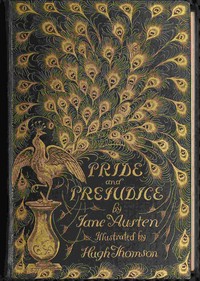
Always visible content "Pride and Prejudice" by Jane Austen is a novel published in 1813. It follows Elizabeth Bennet, who must learn to see past first impressions and hasty judgments. With five daughters and an estate that can only pass to male heirs, the Bennet family faces financial pressure to marry well. When wealthy Mr. Darcy arrives in their countryside neighborhood, his pride and Elizabeth's prejudice set the stage for misunderstandings, hidden truths, and unexpected Hidden checkbox to control the toggle Clickable label to show more The extra text that is initially hidden Clickable label to show less revelations about character and love. (This is an automatically generated summary.)

Always visible content "Romeo and Juliet" by William Shakespeare is a tragedy written between 1591 and 1595. Two young lovers from feuding Italian families meet and fall secretly in love in Verona. Their forbidden romance leads them to marry in secret with a friar's help, hoping to unite their warring households. But family hatred, violent duels, and tragic misunderstandings threaten to destroy their bond. This tale of star-crossed lovers has become the archetypal story of Hidden checkbox to control the toggle Clickable label to show more The extra text that is initially hidden Clickable label to show less young love and remains one of Shakespeare's most frequently performed plays. (This is an automatically generated summary.)

Always visible content "The Complete Works of William Shakespeare" by William Shakespeare is a comprehensive collection containing all of Shakespeare's plays and poems. This standard volume gathers the playwright's entire output, including histories, tragedies, and comedies that have shaped literature for centuries. Some editions feature collaborative works with other writers, though their authorship remains debated. Published by numerous academic presses and major publishers, these collected editions have become prized possessions for book collectors, often released Hidden checkbox to control the toggle Clickable label to show more The extra text that is initially hidden Clickable label to show less in luxurious leather-bound formats that preserve Shakespeare's timeless literary legacy. (This is an automatically generated summary.)
Always visible content "A Room with a View" by E. M. Forster is a novel published in 1908. Young Lucy Honeychurch travels to Italy with her uptight cousin as chaperone, where an unexpected encounter with the unconventional George Emerson stirs confusing emotions. Back in England, Lucy becomes engaged to the sophisticated but pompous Cecil Vyse. When the Emersons move nearby, Lucy must confront her true feelings and decide between societal expectations and genuine passion in Hidden checkbox to control the toggle Clickable label to show more The extra text that is initially hidden Clickable label to show less Edwardian England's restrained culture. (This is an automatically generated summary.)
Always visible content "Middlemarch" by George Eliot is a novel published in 1871-1872. Set in a fictional English Midlands town from 1829 to 1832, it weaves together multiple intersecting stories exploring the status of women, marriage, idealism, and political reform. The narrative follows Dorothea Brooke's search for purpose, Dr. Lydgate's medical ambitions, and several other inhabitants navigating love, debt, scandal, and social change against the backdrop of the approaching Reform Act of 1832. (This is Hidden checkbox to control the toggle Clickable label to show more The extra text that is initially hidden Clickable label to show less an automatically generated summary.)

Always visible content "The Strange Case of Dr. Jekyll and Mr. Hyde" by Robert Louis Stevenson is a Gothic horror novella published in 1886. When London lawyer Gabriel John Utterson investigates strange occurrences involving his old friend Dr. Henry Jekyll and a murderous criminal named Edward Hyde, he uncovers a disturbing mystery. This defining work of Gothic horror explores the duality of human nature and has profoundly influenced popular culture, making "Jekyll and Hyde" synonymous Hidden checkbox to control the toggle Clickable label to show more The extra text that is initially hidden Clickable label to show less with hidden evil beneath respectable appearances. (This is an automatically generated summary.)
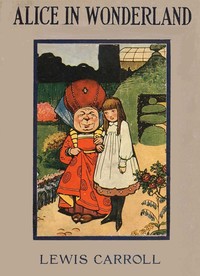
Always visible content "Alice's Adventures in Wonderland" by Lewis Carroll is a children's novel published in 1865. When a curious girl named Alice spots a White Rabbit with a pocket watch, she tumbles down a rabbit hole into an extraordinary fantasy world filled with peculiar anthropomorphic creatures. This pioneering work of literary nonsense plays with logic and language, creating a whimsical tale that delights both children and adults. Illustrated by John Tenniel, it helped transform Hidden checkbox to control the toggle Clickable label to show more The extra text that is initially hidden Clickable label to show less children's literature from didactic instruction to pure entertainment. (This is an automatically generated summary.)
Always visible content "Little Women; Or, Meg, Jo, Beth, and Amy" by Louisa May Alcott is a coming-of-age novel published in 1868-1869. The story follows four sisters—Meg, Jo, Beth, and Amy March—as they navigate the passage from childhood to womanhood in Civil War-era Massachusetts. Loosely based on Alcott's own family, the novel explores themes of domesticity, work, and love while depicting the joys and struggles of nineteenth-century women's lives. Through their adventures and challenges, the Hidden checkbox to control the toggle Clickable label to show more The extra text that is initially hidden Clickable label to show less March sisters embody different aspects of young American womanhood. (This is an automatically generated summary.)

Always visible content "Beowulf: An Anglo-Saxon Epic Poem" by J. Lesslie Hall is an epic poem written in the late 19th century. The narrative focuses on the heroic figure Beowulf, a warrior from Geatland, who seeks to help Hrothgar, the Danish king, rid his land of the monstrous creature Grendel that has been terrorizing his mead-hall. This tale weaves themes of heroism, loyalty, and the struggle between good and evil, set against the backdrop of Hidden checkbox to control the toggle Clickable label to show more The extra text that is initially hidden Clickable label to show less the early medieval period. The opening of the poem introduces the legacy of Scyld, the founding king of the Danes, and his great lineage, leading up to Hrothgar's reign. After building Heorot, a grand mead-hall, Hrothgar faces despair as Grendel attacks nightly, slaughtering his warriors. Word of Hrothgar's plight reaches Beowulf, who decides to journey to the Danes with a band of fourteen warriors to confront Grendel. The scene is set for a monumental clash between the might of Beowulf and the terror of Grendel, emphasizing the values of strength, courage, and honor that define the epic tradition. (This is an automatically generated summary.)

Always visible content "Crime and Punishment" by Fyodor Dostoevsky is a novel published in 1866. It follows Rodion Raskolnikov, an impoverished former law student in Saint Petersburg who plans to murder an unscrupulous pawnbroker. He convinces himself that certain crimes are justifiable if committed by "extraordinary" men pursuing higher goals. Once the deed is done, however, he is consumed by confusion, paranoia, and guilt as his theoretical justifications crumble and he faces the internal and Hidden checkbox to control the toggle Clickable label to show more The extra text that is initially hidden Clickable label to show less external consequences of his actions. (This is an automatically generated summary.)

Always visible content "The Blue Castle: a novel by L. M. Montgomery" is a novel published in 1926. Twenty-nine-year-old Valancy Stirling has spent her entire life suffocated by her controlling family's expectations. When she receives a shocking medical diagnosis, she decides to finally break free and live on her own terms. She scandalizes her relatives by speaking her mind, moving out, and eventually proposing marriage to the mysterious and supposedly disreputable Barney Snaith. Together they Hidden checkbox to control the toggle Clickable label to show more The extra text that is initially hidden Clickable label to show less build a new life on a remote island—but secrets still linger. (This is an automatically generated summary.)
Always visible content "Wuthering Heights" by Emily Brontë is a novel published in 1847. Set on the Yorkshire moors, it follows two landowning families and their turbulent relationships with Heathcliff, a mysterious foster son. Driven by obsessive love, possession, and revenge that spans generations, the story unfolds through dark passion and cruelty. This Gothic tale challenged Victorian morality with its depictions of abuse and class conflict, ultimately becoming a cornerstone of English literature despite its Hidden checkbox to control the toggle Clickable label to show more The extra text that is initially hidden Clickable label to show less initially polarized reception. (This is an automatically generated summary.)
Always visible content "Jane Eyre: An Autobiography" by Charlotte Brontë is a novel published in 1847. It follows the life of Jane Eyre from her oppressed childhood through her education and into adulthood, where she becomes governess at Thornfield Hall and falls in love with the mysterious Mr. Rochester. Told through intimate first-person narrative, this groundbreaking bildungsroman explores moral and spiritual development while addressing class, religion, sexuality, and feminism. The story unfolds across five distinct Hidden checkbox to control the toggle Clickable label to show more The extra text that is initially hidden Clickable label to show less stages, each shaping Jane's journey toward independence and belonging. (This is an automatically generated summary.)
Always visible content "The Enchanted April" by Elizabeth von Arnim is a novel published in 1922. Four dissimilar women escape their dreary lives in 1920s England for a month-long holiday at a medieval Italian castle. Mrs. Arbuthnot and Mrs. Wilkins struggle with unhappy marriages, Lady Caroline seeks refuge from shallow London society, and elderly Mrs. Fisher clings to her Victorian past. Despite initial tensions, the tranquil Mediterranean setting begins to work its magic on each Hidden checkbox to control the toggle Clickable label to show more The extra text that is initially hidden Clickable label to show less woman, offering possibilities for transformation and renewal. (This is an automatically generated summary.)
Always visible content "Cranford" by Elizabeth Cleghorn Gaskell is an episodic novel published in 1853. Set in a small English country town, the work affectionately portrays a society of elderly women navigating genteel poverty and rigid social codes in a world slowly changing around them. Through the eyes of visitor Mary Smith, readers encounter the "Amazons" of Cranford—widows and spinsters maintaining appearances through "elegant economy" while resisting the industrial age creeping beyond their boundaries. This Hidden checkbox to control the toggle Clickable label to show more The extra text that is initially hidden Clickable label to show less gentle chronicle explores class, tradition, and the gradual shift from rank-based society toward human kindness. (This is an automatically generated summary.)
Always visible content "The Great Gatsby" by F. Scott Fitzgerald is a novel published in 1925. Set in the Jazz Age on Long Island, it follows narrator Nick Carraway as he becomes drawn into the world of his mysterious neighbor, Jay Gatsby, a wealthy millionaire who throws extravagant parties. Gatsby harbors an obsession with reuniting with Daisy Buchanan, a woman from his past now married to the affluent Tom. The story captures the glamour, excess, Hidden checkbox to control the toggle Clickable label to show more The extra text that is initially hidden Clickable label to show less and moral complexities of 1920s America. (This is an automatically generated summary.)
Always visible content "The Adventures of Ferdinand Count Fathom" by Tobias Smollett is a satirical novel written in the mid-18th century. The narrative follows the cunning and morally ambiguous character of Ferdinand Count Fathom, a man of mysterious parentage armed with an extraordinary talent for deception and manipulation. The story sets the stage for themes of vice and virtue, exploring Fathom’s escapades and schemes as he navigates a world ripe for exploitation. The opening of Hidden checkbox to control the toggle Clickable label to show more The extra text that is initially hidden Clickable label to show less the novel introduces Fathom in an unusual light—born under strange circumstances to a mother who flitted between roles in military encampments and armies. We explore the early influence of his mother, an adventurous and fierce figure whose exploits paint a picture of a wild and unrestrained environment. As Fathom grows, he exhibits a blend of charisma and villainy, drawing the attention of powerful patrons while developing ambitions of his own. With a sharp wit and an ability to adapt, he becomes both an object of admiration and contempt, preparing the reader for a complex journey through deceit, ambition, and the nature of morality. (This is an automatically generated summary.)

Always visible content "The Expedition of Humphry Clinker" by Tobias Smollett is an epistolary novel published in 1771. Six correspondents—including a gouty Welsh squire, his husband-hunting sister, and their servants—chronicle a journey through England and Scotland's fashionable spa towns and resorts. Through wildly contrasting letters describing the same events, Smollett satirizes eighteenth-century British society, class pretensions, and urban life. The mysterious ostler Humphry Clinker joins their travels, bringing comic misadventures, romantic entanglements, and surprising revelations Hidden checkbox to control the toggle Clickable label to show more The extra text that is initially hidden Clickable label to show less that transform the expedition. (This is an automatically generated summary.)

Always visible content "Twenty years after" by Alexandre Dumas and Auguste Maquet is a novel serialized from January to August 1845. D'Artagnan, still a lowly lieutenant after two decades, is summoned by the despised Cardinal Mazarin during France's brewing rebellion. Tasked with reuniting the legendary musketeers, he tracks down his old friends—now scattered across vastly different lives. As political turmoil engulfs both France and England during the English Civil War, the four heroes must navigate Hidden checkbox to control the toggle Clickable label to show more The extra text that is initially hidden Clickable label to show less their conflicting loyalties and set aside their differences for one last mission. (This is an automatically generated summary.)

Always visible content "My Life — Volume 1" by Richard Wagner is an autobiography written between 1865 and 1880, covering his life from birth in 1813 to 1864. Dictated to his mistress Cosima von Bülow at the request of King Ludwig II of Bavaria, Wagner recounts his tempestuous career, friendships, and controversies in surprisingly frank detail. Originally printed in limited editions for private circulation, the memoir sparked rumors due to its restricted availability. The work Hidden checkbox to control the toggle Clickable label to show more The extra text that is initially hidden Clickable label to show less offers a racy, readable account of Wagner's development and the musical world of his era, though his subjective perspective reveals condescending views toward contemporaries and attacks on rival composers. (This is an automatically generated summary.)

Always visible content "History of Tom Jones, a Foundling" by Henry Fielding is a comic novel published in 1749. This picaresque tale follows Tom, an abandoned baby raised by the wealthy Squire Allworthy, as he grows into a spirited youth who falls in love with his neighbor's daughter, Sophia Western. When jealous schemes and his status as a foundling threaten their romance, Tom is banished and embarks on adventurous travels across Britain. Mysteries of birth, Hidden checkbox to control the toggle Clickable label to show more The extra text that is initially hidden Clickable label to show less cases of mistaken identity, and unexpected revelations converge in this intricately plotted story of love and fortune. (This is an automatically generated summary.)
Always visible content "The Adventures of Roderick Random" by T. Smollett is a picaresque novel published in 1748. Born to a Scottish gentleman and cast out by his family, young Roderick Random must survive by his wits alone in eighteenth-century Britain. From London to the West Indies, he encounters malice, deception, and hypocrisy at every turn while pursuing wealthy women and seeking his rightful place as a gentleman. Drawing on Smollett's own naval experience, this Hidden checkbox to control the toggle Clickable label to show more The extra text that is initially hidden Clickable label to show less satirical tale exposes the brutality and corruption of its age. (This is an automatically generated summary.)
Always visible content "The Picture of Dorian Gray" by Oscar Wilde is a philosophical fiction and Gothic horror novel published in 1890. When a beautiful young man wishes that his portrait would age instead of himself, his desire becomes terrifyingly real. As Dorian pursues a life of pleasure and moral corruption, he remains eternally youthful while his painted image transforms into a horrifying record of his sins. Wilde explores beauty, morality, and the dangerous influence Hidden checkbox to control the toggle Clickable label to show more The extra text that is initially hidden Clickable label to show less of hedonistic philosophy in this tale of vanity and its consequences. (This is an automatically generated summary.)
Always visible content "The Adventures of Tom Sawyer, Complete" by Mark Twain is a novel published in 1876 about a mischievous boy growing up along the Mississippi River in the 1830s-1840s. Tom Sawyer and his friend Huckleberry Finn navigate childhood adventures that take increasingly dangerous turns when they witness a murder in a graveyard. Sworn to secrecy and living in fear, the boys must decide whether to speak the truth as an innocent man faces Hidden checkbox to control the toggle Clickable label to show more The extra text that is initially hidden Clickable label to show less trial, while a vengeful killer remains free. (This is an automatically generated summary.)
Always visible content "The King in Yellow" by Robert W. Chambers is a collection of short stories published in 1895. The book opens with supernatural horror tales connected by a forbidden play that drives readers to madness. A mysterious entity called the King in Yellow, an eerie Yellow Sign, and the cursed play itself haunt the first four stories, set in a future 1920s America and Paris. The collection gradually shifts tone, ending with romantic Hidden checkbox to control the toggle Clickable label to show more The extra text that is initially hidden Clickable label to show less tales, but the opening horror stories have earned acclaim as classics of weird fiction. (This is an automatically generated summary.)
Always visible content "A Modest Proposal" by Jonathan Swift is a satirical essay written and published in 1729. The work shockingly suggests that Ireland's poor could solve their economic troubles by selling their children as food to the wealthy. Through sustained irony and deadpan humor, Swift uses this outrageous premise to mock hostile attitudes toward the poor and expose the dehumanizing policies of British colonial rule. The essay remains celebrated for its dark wit and Hidden checkbox to control the toggle Clickable label to show more The extra text that is initially hidden Clickable label to show less biting social commentary. (This is an automatically generated summary.)
Always visible content "The Count of Monte Cristo" by Alexandre Dumas and Auguste Maquet is an adventure novel serialized from 1844 to 1846. When sailor Edmond Dantès is falsely accused and imprisoned on his wedding day, he spends fourteen years in solitary confinement. After a daring escape and the discovery of a vast hidden treasure, he reinvents himself as the wealthy Count of Monte Cristo. Returning to Paris, he methodically infiltrates high society to confront Hidden checkbox to control the toggle Clickable label to show more The extra text that is initially hidden Clickable label to show less the three men who destroyed his life, exploring themes of justice, vengeance, mercy, and forgiveness. (This is an automatically generated summary.)

Always visible content "The Brothers Karamazov" by Fyodor Dostoevsky is a novel published between 1879 and 1880. Set in 19th-century Russia, this passionate philosophical work explores profound questions of God, free will, and morality. The story revolves around the volatile Karamazov family: a disreputable father and his three sons—sensual Dmitri, intellectual Ivan, and idealistic Alyosha. As tensions escalate over inheritance and romantic entanglements, the novel delves into faith, doubt, and reason, with patricide at the Hidden checkbox to control the toggle Clickable label to show more The extra text that is initially hidden Clickable label to show less heart of its dramatic plot. (This is an automatically generated summary.)
Always visible content "The Importance of Being Earnest: A Trivial Comedy for Serious People" by Oscar Wilde is a play first performed in 1895. Two young gentlemen lead double lives, each pretending to be named Ernest to escape social duties and win the hearts of their beloveds. Filled with sharp wit and clever wordplay, the farcical comedy gently mocks Victorian society through memorable characters including the formidable Lady Bracknell. The play parodies theatrical conventions while Hidden checkbox to control the toggle Clickable label to show more The extra text that is initially hidden Clickable label to show less exploring themes of identity, deception, and the absurdities of proper society. (This is an automatically generated summary.)

Always visible content "A Doll's House : a play by Henrik Ibsen" is a three-act play written in 1879. Set in a Norwegian town, it follows Nora Helmer, a married woman navigating life in a male-dominated society where opportunities for self-fulfillment are scarce. When a figure from her past threatens to expose a secret financial transgression, Nora faces a crisis that challenges everything she knows about her marriage and identity. The play sparked outraged controversy Hidden checkbox to control the toggle Clickable label to show more The extra text that is initially hidden Clickable label to show less upon its premiere and remains one of the most performed works in theater history. (This is an automatically generated summary.)
Always visible content "Adventures of Huckleberry Finn" by Mark Twain is a picaresque novel published in 1884-1885. Told in vernacular English, it follows young Huck Finn as he escapes his abusive father and flees down the Mississippi River with Jim, an enslaved man seeking freedom. Their journey brings encounters with feuding families, con artists, and moral dilemmas that challenge Huck's conscience. Set in the antebellum South, this sequel to "Tom Sawyer" is celebrated for its Hidden checkbox to control the toggle Clickable label to show more The extra text that is initially hidden Clickable label to show less portrayal of boyhood and its satirical examination of racism and society. (This is an automatically generated summary.)

Always visible content "Dracula" by Bram Stoker is a Gothic horror novel published in 1897. Told through letters, diary entries, and newspaper articles, the story follows solicitor Jonathan Harker's terrifying encounter with Count Dracula in Transylvania. When the vampire Count travels to England and begins preying on victims in Whitby, a small group led by Professor Abraham Van Helsing must hunt him down. This seminal work of Gothic fiction has become the centrepiece of vampire Hidden checkbox to control the toggle Clickable label to show more The extra text that is initially hidden Clickable label to show less literature, profoundly shaping the popular conception of vampires for generations. (This is an automatically generated summary.)

Always visible content "A Tale of Two Cities" by Charles Dickens is a historical novel published in 1859. Set in London and Paris during the tumultuous French Revolution, it follows Dr. Alexandre Manette after his mysterious 18-year imprisonment in the Bastille and his reunion with his daughter Lucie. Their lives become entangled with a French aristocrat fleeing his heritage and a dissolute English lawyer who harbors secret devotion. Against the backdrop of revolutionary terror and Hidden checkbox to control the toggle Clickable label to show more The extra text that is initially hidden Clickable label to show less violence, personal sacrifices and hidden connections shape their intertwined fates. (This is an automatically generated summary.)

Always visible content "Simple Sabotage Field Manual" by United States. Office of Strategic Services is a historical publication written during the early 1940s, amid World War II. This manual acts as a guide for ordinary civilians to conduct simple acts of sabotage against enemy operations without the need for specialized training or equipment. Its main topic revolves around promoting small, accessible forms of resistance that could collectively disrupt the enemy's war effort. The manual outlines Hidden checkbox to control the toggle Clickable label to show more The extra text that is initially hidden Clickable label to show less various strategies and techniques for citizens to engage in sabotage that could be executed discreetly and with minimal risk. It provides specific suggestions for targeting transportation, communication, and industrial facilities to create delays and inefficiencies in enemy operations. The manual emphasizes the power of many individuals acting independently to contribute to a larger campaign of disruption, encouraging simple acts such as misplacing tools, delaying communication, or damaging equipment with household items. Overall, the "Simple Sabotage Field Manual" serves as a unique historical artifact that illustrates grassroots resistance efforts and the belief in the collective power of ordinary people during wartime. (This is an automatically generated summary.)
Always visible content "Leviathan" by Thomas Hobbes is a philosophical treatise published in 1651. Written during the English Civil War, it explores the structure of society and legitimate government through social contract theory. Hobbes argues that humanity's natural state is a brutal "war of all against all," driven by individual appetites and the fear of violent death. Only a strong, absolute sovereign can prevent civil war and chaos by uniting both secular and spiritual power. Hidden checkbox to control the toggle Clickable label to show more The extra text that is initially hidden Clickable label to show less This influential work presents a materialistic view of human nature and political order. (This is an automatically generated summary.)
Always visible content "The Adventures of Sherlock Holmes" by Arthur Conan Doyle is a collection of short stories first published in 1892. These twelve tales feature the legendary consulting detective Sherlock Holmes and his companion Dr. Watson, narrated from Watson's perspective. Each mystery explores social injustices while showcasing Holmes's brilliant deductive methods and unconventional approach to justice. The stories introduce memorable characters and cases that have captivated readers for over a century, establishing Holmes as Hidden checkbox to control the toggle Clickable label to show more The extra text that is initially hidden Clickable label to show less one of literature's most enduring detectives. (This is an automatically generated summary.)

Always visible content "Thus Spake Zarathustra: A Book for All and None" by Friedrich Wilhelm Nietzsche is a work of philosophical fiction published between 1883 and 1885. Through the voice of the ancient prophet Zarathustra, Nietzsche delivers discourses on subjects ranging from the mundane to the metaphysical. The work introduces core Nietzschean concepts including the Übermensch, the death of God, the will to power, and eternal recurrence. Written in analogical and figurative language, it emerged Hidden checkbox to control the toggle Clickable label to show more The extra text that is initially hidden Clickable label to show less from decades of accumulated insight during solitary mountain walks. (This is an automatically generated summary.)

Always visible content "The Yellow Wallpaper" by Charlotte Perkins Gilman is a short story published in January 1892. This landmark work of feminist literature and horror fiction follows a woman confined to a nursery by her physician husband as treatment for "temporary nervous depression." Forbidden from working or writing, she documents her experience through secret journal entries. With nothing to occupy her mind but the room's disturbing yellow wallpaper, she descends into madness, becoming obsessed Hidden checkbox to control the toggle Clickable label to show more The extra text that is initially hidden Clickable label to show less with its strange patterns and the figures she perceives within it. (This is an automatically generated summary.)

Always visible content "The Iliad" by Homer is an ancient Greek epic poem composed around the late 8th or early 7th century BC. Set during the final weeks of the ten-year Trojan War, it follows the devastating anger of Achilles, the greatest Greek warrior, sparked by a bitter quarrel with King Agamemnon. As pride and wrath collide, the conflict escalates from personal dispute to battlefield tragedy, culminating in the death of Troy's champion, Hector. Gods Hidden checkbox to control the toggle Clickable label to show more The extra text that is initially hidden Clickable label to show less intervene, heroes clash, and the fate of nations hangs in the balance. (This is an automatically generated summary.)

Always visible content "White Nights and Other Stories" by Fyodor Dostoyevsky is a collection of short stories written in the mid-19th century. The title story, "White Nights," revolves around an unnamed narrator who leads a solitary life in St. Petersburg and unexpectedly finds connection with a mysterious young woman named Nastenka. The collection explores themes of loneliness, longing, and the complexities of human relationships through the lens of Dostoyevsky's profound psychological insight. At the start Hidden checkbox to control the toggle Clickable label to show more The extra text that is initially hidden Clickable label to show less of "White Nights," the narrator describes his feelings of desolation as he wanders through St. Petersburg, reflecting on his profound loneliness as the city empties out for the summer. He encounters Nastenka, who is weeping at the canal, and in their interaction, a delicate bond begins to form. The narrator, filled with shyness, provides her a sense of safety in the face of an unwanted advance from a drunken gentleman. Their conversation reveals much about their longing for connection and inner turmoil, setting the stage for a passionate, albeit complex, relationship marked by unspoken emotions and dreams intertwined with reality. As the night unfolds, the narrator's infatuation with Nastenka deepens, but her heart seems already tethered to someone else, creating a poignant tension that is typical of Dostoyevsky's compelling storytelling. (This is an automatically generated summary.)

Always visible content "The Black Hawk War Including a Review of Black Hawk's Life" by Frank Everett Stevens is a historical account written in the early 20th century. The work delves into the life of Black Hawk, a prominent Native American leader, and the conflict known as the Black Hawk War, providing detailed insights into the tensions between Native Americans and American settlers during this tumultuous period. The opening of the book introduces the author’s Hidden checkbox to control the toggle Clickable label to show more The extra text that is initially hidden Clickable label to show less dedication to his mother, emphasizing the work as a labor of love. Stevens begins the narrative by outlining his extensive research on Black Hawk, revealing the challenges he faced in gathering materials, including interviews with eyewitnesses and original documents. He sets the stage for an in-depth examination of Black Hawk's early life, personality traits, and the escalations that led to conflict, particularly detailing events surrounding treaties that shaped relations between Black Hawk's tribe and the United States. This foundational chapter establishes the complexity of Black Hawk's character and the context for understanding the subsequent chapters that delve into the detailed accounts of the war and its implications on Native American culture and society. (This is an automatically generated summary.)
Always visible content "Great Expectations" by Charles Dickens is a novel first published serially from 1860 to 1861. The story follows Pip, a young orphan living with his sister and her blacksmith husband on England's coastal marshes. After a terrifying encounter with an escaped convict and strange visits to the bitter Miss Havisham and her cold adopted daughter Estella, Pip's life transforms when he mysteriously receives a fortune from an unknown benefactor. This bildungsroman explores Hidden checkbox to control the toggle Clickable label to show more The extra text that is initially hidden Clickable label to show less wealth and poverty, love and rejection, through vivid characters and dramatic scenes that have captivated readers for generations. (This is an automatically generated summary.)

Always visible content "Walden, and On The Duty Of Civil Disobedience" by Henry David Thoreau is a philosophical essay and social critique written in the mid-19th century. This work reflects Thoreau's reflections on simple living in natural surroundings, drawing from his personal experiment of living alone in the woods near Walden Pond. Thoreau emphasizes themes of self-sufficiency, the critique of materialism, and the importance of individual conscience and civil disobedience in the face of unjust Hidden checkbox to control the toggle Clickable label to show more The extra text that is initially hidden Clickable label to show less laws. The opening of "Walden" begins with Thoreau recounting his two years of solitude in a self-built house by Walden Pond, where he lived simply and engaged in manual labor. He addresses the curiosity of his townsfolk about his lifestyle choices and presents his views on the societal pressures that guide people into lives of "quiet desperation." Through vivid imagery and philosophical musings, Thoreau discusses the burdens of inherited possessions and societal expectations, asserting that many people live unexamined lives. He calls for a re-evaluation of what is considered necessary for a fulfilling life, suggesting that true happiness derives from simplicity, individual thought, and an intimate connection with nature. (This is an automatically generated summary.)

Always visible content "The Prince" by Niccolò Machiavelli is a political treatise written in 1513 and published in 1532. Presented as an instruction guide for new rulers, this controversial work suggests that immoral acts may be necessary to achieve political power and glory. Written in vernacular Italian rather than Latin, it breaks from traditional advice literature by focusing on practical effectiveness over abstract ideals. Its worldview challenged dominant Catholic doctrines of the time, making "Machiavellian" Hidden checkbox to control the toggle Clickable label to show more The extra text that is initially hidden Clickable label to show less synonymous with political cunning and contributing to modern negative connotations of politics itself. (This is an automatically generated summary.)

Always visible content "Grimms' Fairy Tales" by Jacob Grimm and Wilhelm Grimm is a German collection of fairy tales first published in 1812. Beginning with 86 stories and eventually expanding to 210 tales across seven editions, this seminal work transformed oral folklore into written literature. The brothers collected stories from friends, acquaintances, and old books to preserve German cultural history. What started as a scholarly project evolved through decades of revisions, with tales added and Hidden checkbox to control the toggle Clickable label to show more The extra text that is initially hidden Clickable label to show less removed, content adjusted for young readers, and illustrations incorporated to become a cornerstone of Western children's literature. (This is an automatically generated summary.)

Always visible content "The Scarlet Letter" by Nathaniel Hawthorne is a historical novel published in 1850. Set in Puritan Massachusetts during the 1640s, it follows Hester Prynne, who bears a child out of wedlock and must wear a scarlet "A" as punishment for adultery. While she refuses to name the father, her long-lost husband arrives in town seeking revenge. The story explores themes of sin, guilt, and redemption as secrets threaten to destroy lives in Hidden checkbox to control the toggle Clickable label to show more The extra text that is initially hidden Clickable label to show less this unforgiving community. (This is an automatically generated summary.)

Always visible content "Oedipus King of Thebes" by Sophocles is an Athenian tragedy written around 429 BC. When a plague ravages Thebes, King Oedipus vows to find and punish the murderer of the previous king, Laius. As he investigates, the blind prophet Tiresias warns him to abandon his search. But Oedipus persists, unaware that his quest for truth will uncover devastating secrets about his own identity and past—secrets connected to an ancient prophecy about patricide Hidden checkbox to control the toggle Clickable label to show more The extra text that is initially hidden Clickable label to show less and incest. (This is an automatically generated summary.)
Always visible content "Ulysses" by James Joyce is a modernist novel published in 1922. It chronicles one day in Dublin—June 16, 1904—following three characters whose experiences mirror Homer's Odyssey. Leopold Bloom parallels Odysseus, his wife Molly echoes Penelope, and Stephen Dedalus reflects Telemachus. Through experimental prose styles and stream of consciousness technique, Joyce explores themes of identity, Irish life, and human consciousness. The novel's complexity, literary allusions, and revolutionary approach to depicting thought have made Hidden checkbox to control the toggle Clickable label to show more The extra text that is initially hidden Clickable label to show less it one of modernism's most celebrated and debated works. (This is an automatically generated summary.)

Always visible content "Metamorphosis" by Franz Kafka is a novella published in 1915. It tells the story of Gregor Samsa, a traveling salesman who wakes one morning to find himself inexplicably transformed into a monstrous insect. Trapped in his room and unable to work, Gregor struggles to adjust to his new body while his horrified family grapples with the burden of his existence. As Gregor adapts to his condition, the relationships within his household shift Hidden checkbox to control the toggle Clickable label to show more The extra text that is initially hidden Clickable label to show less in unexpected and devastating ways. (This is an automatically generated summary.)
Always visible content "Anne of Green Gables" by L. M. Montgomery is a novel published in 1908. When eleven-year-old orphan Anne Shirley arrives at Green Gables farm by mistake, the Cuthbert siblings had requested a boy to help with farmwork. Imaginative, talkative, and eager to belong, Anne must prove herself worthy of staying. The story follows her adventures in the village of Avonlea—making friends, excelling at school, clashing with rival Gilbert Blythe, and transforming the Hidden checkbox to control the toggle Clickable label to show more The extra text that is initially hidden Clickable label to show less lives of everyone around her. (This is an automatically generated summary.)

Always visible content "Treasure Island" by Robert Louis Stevenson is an adventure novel published in 1883. When young Jim Hawkins discovers a mysterious treasure map in a dead pirate's sea chest, he sets sail with a crew to find Captain Flint's legendary buried gold. But aboard the ship Hispaniola lurks danger: the charming one-legged cook Long John Silver leads a band of mutinous pirates with their own deadly plans. On a remote island filled with Hidden checkbox to control the toggle Clickable label to show more The extra text that is initially hidden Clickable label to show less treachery and violence, Jim must navigate shifting alliances and mortal threats to survive this perilous quest for fortune. (This is an automatically generated summary.)

Always visible content "Beyond Good and Evil" by Friedrich Wilhelm Nietzsche is a philosophical work published in 1886. Nietzsche launches a fierce attack on traditional philosophy, accusing past thinkers of disguising moral prejudices as objective truth. He challenges fundamental concepts like good versus evil, knowledge, and free will, proposing instead his theory of "will to power." The book calls for new philosophers who will move beyond conventional morality to embrace a more dangerous, perspectival understanding Hidden checkbox to control the toggle Clickable label to show more The extra text that is initially hidden Clickable label to show less of existence and create new values for the future. (This is an automatically generated summary.)

Always visible content "Second Treatise of Government" by John Locke is a political philosophy work published in 1689. Writing anonymously during England's turbulent revolution, Locke outlines a radical vision of society founded on natural rights and government by consent rather than divine authority. His ideas challenge the established order, arguing that legitimate power flows from the people, not kings claiming God-given rule. This foundational text of liberal political theory emerged from dangerous conspiracies and exile, Hidden checkbox to control the toggle Clickable label to show more The extra text that is initially hidden Clickable label to show less so controversial that Locke never acknowledged authorship during his lifetime. (This is an automatically generated summary.)

Always visible content "War and Peace" by graf Leo Tolstoy is a literary work published in 1869. Set during the Napoleonic Wars, it chronicles the French invasion of Russia through five interlocking narratives following different Russian aristocratic families. The work blends fictional storytelling with philosophical discussions about history, war, and power. Tolstoy himself hesitated to classify it, saying it is "not a novel, even less is it a poem, and still less a historical chronicle." Hidden checkbox to control the toggle Clickable label to show more The extra text that is initially hidden Clickable label to show less It remains one of the most praised classics of world literature. (This is an automatically generated summary.)
Always visible content "A Christmas Carol in Prose; Being a Ghost Story of Christmas" by Charles Dickens is a novella published in 1843. It tells the story of Ebenezer Scrooge, a greedy miser who despises Christmas. Through supernatural visits from four ghosts—Jacob Marley and the spirits of Christmas Past, Present, and Future—Scrooge undergoes a profound transformation. This beloved tale has become one of Dickens's most famous works, adapted countless times across virtually every medium and Hidden checkbox to control the toggle Clickable label to show more The extra text that is initially hidden Clickable label to show less performance genre since its publication. (This is an automatically generated summary.)

Always visible content "The Works of Edgar Allan Poe — Volume 2" by Edgar Allan Poe is a collection of literary works, including short stories and essays, written during the early to mid-19th century. This volume contains a range of tales that delve into themes of mystery, horror, and the uncanny, showcasing Poe's mastery of suspenseful and psychological storytelling. Notable pieces include "The Purloined Letter," which features the brilliant detective C. Auguste Dupin as he Hidden checkbox to control the toggle Clickable label to show more The extra text that is initially hidden Clickable label to show less solves a complex crime involving a stolen letter of great importance, highlighting both the ingenuity of the detective and the folly of the authorities. The opening of the volume features "The Purloined Letter," where the narrator and Dupin engage in deep contemplation over previous mysteries when they are visited by Monsieur G, the Prefect of the Parisian police. The Prefect brings details of a perplexing case involving a missing letter that holds significant political power, stolen by the Minister D. As the Prefect describes his failed attempts to recover the letter, Dupin's insights reveal that the straightforward nature of the theft has eluded the authorities. The narrative sets a tone of intellectual intrigue as Dupin prepares to outsmart both the Prefect and the clever Minister, emphasizing Poe’s exploration of human intellect and the nature of perception. (This is an automatically generated summary.)
Always visible content "The Odyssey" by Homer is an ancient Greek epic composed around the 8th or 7th century BC. It follows Odysseus, king of Ithaca, on his perilous ten-year journey home after the Trojan War. While he battles monsters and loses all his crewmates, his wife Penelope and son Telemachus face aggressive suitors at home who presume him dead. This foundational work of Western literature explores themes of homecoming, wandering, and loyalty through a Hidden checkbox to control the toggle Clickable label to show more The extra text that is initially hidden Clickable label to show less tale of extraordinary adventure and perseverance. (This is an automatically generated summary.)

Always visible content "The Republic" by Plato is a Socratic dialogue written around 375 BC. Through conversations between Socrates and various Athenians, the work explores the meaning of justice and whether the just person is happier than the unjust. Socrates examines existing forms of government and proposes an ideal city-state ruled by philosopher-kings. The dialogue ranges across profound questions: the nature of the soul, the role of poetry, love, aging, and the purpose of political Hidden checkbox to control the toggle Clickable label to show more The extra text that is initially hidden Clickable label to show less power itself. (This is an automatically generated summary.)

Always visible content "Meditations" by Emperor of Rome Marcus Aurelius is a series of personal writings composed between 170-180 CE. Written in Greek as private notes to himself, this work captures the Roman Emperor's reflections on Stoic philosophy and self-improvement during military campaigns. Never intended for publication, these intimate musings explore finding one's place in the universe, maintaining ethical principles, and achieving inner harmony through reason. The twelve books reveal how one of history's most Hidden checkbox to control the toggle Clickable label to show more The extra text that is initially hidden Clickable label to show less powerful rulers sought to guide his own character and judgment. (This is an automatically generated summary.)

Always visible content "The Travels of Marco Polo — Volume 1" by Marco Polo and Rustichello da Pisa is a 13th-century travelogue written between 1298-1299. This legendary account chronicles Polo's epic journey through Asia from 1271 to 1295 and his remarkable experiences at the court of Kublai Khan. Dictated by the Venetian explorer to romance writer Rustichello while imprisoned in Genoa, the book blends adventure with observation, revealing distant lands Europeans had never imagined. From Hidden checkbox to control the toggle Clickable label to show more The extra text that is initially hidden Clickable label to show less its first appearance, readers have debated its authenticity—wondering whether these tales of marvels are truth or fantasy. (This is an automatically generated summary.)

Always visible content "池北偶談" by Shizhen Wang is a collection of historical anecdotes and observations written in the late 17th century. The work presents a rich tapestry of insights into the political, cultural, and social circumstances of the author's era, highlighting various figures and events relevant to the Qing dynasty's history. Through its detailed accounts and reflections, the text aims to illuminate the nuances of governance and the experiences of scholars within the Confucian tradition. Hidden checkbox to control the toggle Clickable label to show more The extra text that is initially hidden Clickable label to show less The opening of "池北偶談" introduces several topics, primarily revolving around the administrative and cultural practices during the early Qing dynasty, particularly under the rule of Emperor Kangxi. Shizhen Wang discusses the roles and ranks of various officials, the significance of academic achievements, and significant events, such as the revival of examinations and appointments of officials. Notably, he reflects on individual cases, such as the impressive progress of certain families within the bureaucratic structure, offering a glimpse into the intertwining of personal ambition and public service in the imperial context. (This is an automatically generated summary.)

Always visible content "韓詩外傳, Complete" by Han Ying is a collection of anecdotes written during the Western Han dynasty around 150 BCE. This work gathers some 300 stories and anecdotes carefully selected to illustrate and interpret poems from the ancient Book of Poetry. Drawing from the Han family's tradition of applying classical verses to specific situations, it offers interpretations that differed significantly from other scholarly schools of its time, preserving valuable insights into early Chinese Hidden checkbox to control the toggle Clickable label to show more The extra text that is initially hidden Clickable label to show less literary and philosophical thought. (This is an automatically generated summary.)

Always visible content "Fables of La Fontaine — a New Edition, with Notes" by Jean de La Fontaine is a collection of fables published between 1668 and 1694. Drawing from sources both Western and Eastern, La Fontaine adapted 239 tales into French free verse, creating classics of French literature. These humorous and ironical stories feature animals and humans, offering keen insights into human nature beneath their apparent simplicity. Originally aimed at adults, they became required Hidden checkbox to control the toggle Clickable label to show more The extra text that is initially hidden Clickable label to show less learning for generations of French schoolchildren, with countless phrases entering everyday language. (This is an automatically generated summary.)
Always visible content "The Wonderful Wizard of Oz" by L. Frank Baum is a children's novel written in 1900. When a cyclone sweeps young Dorothy and her dog Toto from Kansas to the magical Land of Oz, she discovers only one way home: she must destroy the Wicked Witch of the West. Joined by a Scarecrow seeking brains, a Tin Woodman wanting a heart, and a Cowardly Lion desiring courage, Dorothy follows the yellow brick Hidden checkbox to control the toggle Clickable label to show more The extra text that is initially hidden Clickable label to show less road to seek help from the mysterious Wizard of Oz. (This is an automatically generated summary.)

Always visible content "The Jew and Other Stories" by Ivan Sergeevich Turgenev is a collection of short stories written in the mid-19th century. The stories delve into themes of love, morality, and societal issues, with a particular focus on the experiences of Jewish characters in Russia. The opening story, "The Jew," introduces Nikolai Ilyitch, a soldier, and his encounter with a Jewish man named Girshel during the Napoleonic Wars, setting the stage for a complex Hidden checkbox to control the toggle Clickable label to show more The extra text that is initially hidden Clickable label to show less exploration of human relationships and societal prejudices. The opening of "The Jew" presents Nikolai Ilyitch, an officer in the military, as he recounts a time of boredom while besieging the city of Dantzig. During this time, he encounters Girshel, a Jewish man who tends to the needs of the soldiers. Their interaction quickly unfolds into a mix of tension, intrigue, and personal desires, as Nikolai is both entertained and frustrated by Girshel's obsequiousness and opportunism. The story takes a darker turn as it leads to the introduction of Sara, a beautiful young Jewess brought into the tent by Girshel, highlighting themes of exploitation, innocence, and moral dilemmas that resonate throughout Turgenev's work. As the narrative progresses, it becomes evident that the characters are trapped within the confines of societal expectations and their own choices, creating a rich tapestry for readers to reflect upon. (This is an automatically generated summary.)

Always visible content "Anna Karenina" by graf Leo Tolstoy is a novel first published in book form in 1878. The story follows Anna, a married socialite in Imperial Russian society, whose extramarital affair with cavalry officer Count Vronsky scandalizes Saint Petersburg and forces them to flee to Italy. A parallel narrative traces landowner Konstantin Levin's pursuit of marriage and his struggles with faith and estate management. The novel explores themes of betrayal, family, marriage, desire, Hidden checkbox to control the toggle Clickable label to show more The extra text that is initially hidden Clickable label to show less and the clash between rural and urban life against Russia's rapid social transformation. (This is an automatically generated summary.)
Always visible content "The divine comedy" by Dante Alighieri is an Italian narrative poem written between 1308 and 1321. The work follows Dante's journey through the three realms of the afterlife: Hell, Purgatory, and Heaven. Guided by the poet Virgil and his idealized woman Beatrice, Dante encounters souls receiving divine justice based on their earthly actions. The poem allegorically represents the soul's journey toward God through recognition of sin, penance, and spiritual ascent, drawing on Hidden checkbox to control the toggle Clickable label to show more The extra text that is initially hidden Clickable label to show less medieval Catholic theology and philosophy. (This is an automatically generated summary.)
Always visible content "Frankenstein; Or, The Modern Prometheus" by Mary Wollstonecraft Shelley is a Gothic novel written in 1818. It tells the story of Victor Frankenstein, a young scientist who creates a living creature from assembled body parts in an unorthodox experiment. When the creature awakens, Victor flees in horror, setting in motion a tragic tale of creation, abandonment, and revenge. This pioneering work has become one of English literature's most influential stories, spawning an Hidden checkbox to control the toggle Clickable label to show more The extra text that is initially hidden Clickable label to show less entire genre of horror and forever changing popular culture. (This is an automatically generated summary.)

Always visible content "A Study in Scarlet" by Arthur Conan Doyle is a detective novel published in 1887. This groundbreaking work introduces Sherlock Holmes and Dr. Watson as they investigate a mysterious murder in London. When a man is found dead with the word "RACHE" written in blood, Holmes must unravel the scarlet thread of murder running through the case. The investigation leads to a dramatic tale of revenge spanning two continents, connecting a London Hidden checkbox to control the toggle Clickable label to show more The extra text that is initially hidden Clickable label to show less crime scene to events in Utah's Salt Lake Valley decades earlier. (This is an automatically generated summary.)

Always visible content "Heart of Darkness" by Joseph Conrad is a novella published in 1899. Sailor Charles Marlow recounts his journey as a steamer captain for a Belgian company deep into the African interior. His assignment: to find Kurtz, an ivory trader who has mysteriously "gone native" at a remote station upriver. Conrad's tale explores European colonialism, power, and morality while questioning the boundary between civilization and savagery. The novella provides a dark meditation on Hidden checkbox to control the toggle Clickable label to show more The extra text that is initially hidden Clickable label to show less imperialism, drawing unsettling parallels between London and Africa as places shrouded in darkness. (This is an automatically generated summary.)
Always visible content "The Hound of the Baskervilles" by Arthur Conan Doyle is a crime novel serialized from 1901 to 1902. Sherlock Holmes and Watson investigate a centuries-old legend of a demonic hound haunting the Baskerville family on the desolate moors of Dartmoor. When Sir Charles Baskerville dies under mysterious circumstances, his heir Sir Henry arrives from Canada to claim his inheritance—only to face strange threats and supernatural dangers. Holmes must determine whether the curse Hidden checkbox to control the toggle Clickable label to show more The extra text that is initially hidden Clickable label to show less is real or if a cunning murderer lurks behind the legend. (This is an automatically generated summary.)

Always visible content "The Interesting Narrative of the Life of Olaudah Equiano, Or Gustavus Vassa, The African" by Olaudah Equiano is an autobiography first published in 1789. Born in present-day Nigeria around 1745, Equiano recounts his kidnapping into slavery as a child and his journey across continents. The narrative blends slavery account, travel story, and spiritual testimony as Equiano chronicles his struggle for freedom through Bible study and determination, ultimately achieving independence and becoming an Hidden checkbox to control the toggle Clickable label to show more The extra text that is initially hidden Clickable label to show less abolitionist voice in England. (This is an automatically generated summary.)
Always visible content "Sense and Sensibility" by Jane Austen is a novel published in 1811. When the Dashwood sisters are forced from their family estate into reduced circumstances, they face romantic trials that test their contrasting natures. Sensible Elinor guards her feelings while passionate Marianne wears her heart openly. Both encounter love, disappointment, and betrayal as suitors prove honorable or false. Through heartbreak and revelation, the sisters must navigate society's demands while discovering what truly Hidden checkbox to control the toggle Clickable label to show more The extra text that is initially hidden Clickable label to show less matters in matters of the heart. (This is an automatically generated summary.)

Always visible content "On Liberty" by John Stuart Mill is an essay published in 1859. Mill applies utilitarian ethics to explore the relationship between individual freedom and governmental authority. He warns against the "tyranny of the majority" in democracies and argues that personal liberty should only be restricted to prevent harm to others. Mill outlines three basic freedoms and champions individuality as essential to human flourishing. This influential work, shaped significantly by his collaboration with Hidden checkbox to control the toggle Clickable label to show more The extra text that is initially hidden Clickable label to show less his wife Harriet Taylor Mill, remains a cornerstone of liberal political thought. (This is an automatically generated summary.)
Always visible content "Doctrina Christiana" by Edwin Wolf is a historical account written in the early 20th century. The text serves to illuminate the significance of this volume, recognized as the first book printed in the Philippines in 1593. The work sheds light on the printing methods used, the bibliographical history surrounding the book's creation, and the religious teachings contained within it, primarily focused on the fundamentals of Christianity as conveyed to the native population. Hidden checkbox to control the toggle Clickable label to show more The extra text that is initially hidden Clickable label to show less The opening of "Doctrina Christiana" discusses the arduous journey to locate this seminal work, engaging readers in a narrative that resembles a scholarly detective story. It outlines the book’s physical characteristics, including details about its contents, such as essential Christian prayers and teachings presented in both Spanish and Tagalog. Wolf introduces four main topics for investigation: the physical description, bibliographical history, authorship, and the printing methods employed, ensuring that readers not only appreciate the book's historical value but also its role in the cultural and religious education of the Filipinos during the Spanish colonization. (This is an automatically generated summary.)
Always visible content "Don Quixote" by Miguel de Cervantes Saavedra is a Spanish novel published in two parts in 1605 and 1615. Considered the first modern novel, it follows Alonso Quijano, a man who reads so many chivalric romances that he loses his mind and reinvents himself as the knight-errant Don Quixote. Accompanied by his earthy squire Sancho Panza, he embarks on misguided adventures, mistaking windmills for giants and inns for castles, determined to revive Hidden checkbox to control the toggle Clickable label to show more The extra text that is initially hidden Clickable label to show less chivalry in a world that has moved on. (This is an automatically generated summary.)

Always visible content "Hamlet" by William Shakespeare is a tragedy written between 1599 and 1601. Set in Denmark, the play follows Prince Hamlet as he grapples with his father's sudden death and his mother's hasty marriage to his uncle Claudius. When a ghost resembling the late king appears and reveals a terrible secret about murder and betrayal, Hamlet vows revenge. But uncertainty, madness—feigned or real—and deadly court intrigue complicate his mission in this powerful exploration Hidden checkbox to control the toggle Clickable label to show more The extra text that is initially hidden Clickable label to show less of vengeance, mortality, and human nature. (This is an automatically generated summary.)

Always visible content "The Arctic Prairies: A Canoe-Journey of 2,000 Miles in Search of the Caribou" by Ernest Thompson Seton is a travel narrative written in the early 20th century. This book chronicles Seton’s adventurous six-month canoe journey through the remote wilderness of northern Canada, primarily aimed at observing caribou in their natural habitat. Seton, accompanied by his assistant Edward A. Preble, not only seeks to track caribou but also to record the rich natural Hidden checkbox to control the toggle Clickable label to show more The extra text that is initially hidden Clickable label to show less history of the region, experiencing both the beauty and the challenges of life in the wild. The opening of the narrative sets the stage for Seton’s expedition, describing his motivations and the journey's ambitious goals. He expresses a nostalgic yearning for the untamed, wild landscapes of the past while preparing to explore the unspoiled forests and prairies of Canada’s northwestern territories. The chapter introduces readers to his thoughts as they set off from Edmonton, documenting the various wildlife encountered along the way, such as antelope and rabbits, and describing the logistical challenges of their journey including preparation and supply gathering. Seton’s detailed observations reveal his deep appreciation for the natural world, foreshadowing the blend of adventure and scientific inquiry that will characterize the rest of the expedition. (This is an automatically generated summary.)

Always visible content "The History of England from the Accession of Henry III. to the Death of Edward III (1216-1377)" by T.F. Tout is a historical account written in the early 20th century. The volume focuses on the political developments in England during a transformative period characterized by monarchy, baronial conflicts, and the influence of the Church. It provides an in-depth examination of the reign of Henry III and the events leading up to the Hidden checkbox to control the toggle Clickable label to show more The extra text that is initially hidden Clickable label to show less death of Edward III, detailing various political alliances, wars, and the evolution of governance during this era. The opening of this historical work sets the stage against the backdrop of King John's death and the subsequent power struggle in England. It introduces significant figures such as William Marshal, who plays a key role in stabilizing the young Henry III's reign amid civil discord fueled by foreign invasion and baronial opposition. The narrative outlines the complex political landscape, including the loyalties of various factions, the influence of the Church, and the efforts to secure peace and order through the reissue of the Great Charter. Overall, the beginning of this volume establishes the foundational tensions and alliances that will shape the ensuing political history of England during this pivotal period. (This is an automatically generated summary.)
Always visible content "The Romance of Lust: A classic Victorian erotic novel" by Anonymous is a four-volume novel written between 1873-1876. Narrated by Charlie Roberts, the work chronicles his sexual experiences beginning in adolescence and continuing through various encounters with family members, governesses, and acquaintances. The novel explores numerous taboo subjects and sexual practices of Victorian society. Scholars have debated its authorship, with William Simpson Potter and Edward Sellon as likely candidates. Steven Marcus famously Hidden checkbox to control the toggle Clickable label to show more The extra text that is initially hidden Clickable label to show less coined the term "pornotopia" to describe its sexually charged world. (This is an automatically generated summary.)

Always visible content "Gulliver's Travels into Several Remote Nations of the World" by Jonathan Swift is a satirical prose novel published in 1726. Ship surgeon Lemuel Gulliver embarks on extraordinary voyages to bizarre lands—encountering tiny people obsessed with trivial disputes, giants who mock European society, impractical intellectuals, and rational horses living among savage human-like creatures. Through these strange encounters, Swift crafts a biting satire of human nature and civilization's flaws. Originally written as political commentary Hidden checkbox to control the toggle Clickable label to show more The extra text that is initially hidden Clickable label to show less rather than children's fare, this enduring classic continues to challenge readers with its sharp critique of society. (This is an automatically generated summary.)

Always visible content "Les Misérables" by Victor Hugo is a French epic historical novel published in 1862. Beginning in 1815 and culminating in the 1832 June Rebellion in Paris, it follows ex-convict Jean Valjean's struggle for redemption. The novel explores the nature of law and grace, examining themes of justice, poverty, and love through the lives of interconnected characters in nineteenth-century France. Considered one of the greatest novels of its century, it depicts society's most Hidden checkbox to control the toggle Clickable label to show more The extra text that is initially hidden Clickable label to show less downtrodden members and their fight for dignity. (This is an automatically generated summary.)
![Peter Pan : [Peter and Wendy] by J. M. Barrie](/cdn/books/covers/pg-16.jpg)
Always visible content "Peter Pan: [Peter and Wendy]" by J. M. Barrie is a work that began as a play in 1904 and became a novel in 1911. It tells the story of Peter Pan, a mischievous boy who can fly and never grows up. He whisks Wendy Darling and her brothers away to Neverland, a magical island inhabited by mermaids, fairies, and pirates. There, they encounter the Lost Boys and face off against the Hidden checkbox to control the toggle Clickable label to show more The extra text that is initially hidden Clickable label to show less villainous Captain Hook, all while navigating adventures that blur the line between childhood wonder and danger. (This is an automatically generated summary.)

Always visible content "Bleak House" by Charles Dickens is a novel published between 1852 and 1853. At its center lies Jarndyce and Jarndyce, an endless legal case in the Court of Chancery involving conflicting wills. The story follows Esther Summerson, an orphan with a mysterious past, and Lady Dedlock, an aristocrat harboring a dangerous secret. As a lawyer investigates Lady Dedlock's hidden connection to a deceased pauper, multiple lives become entangled in the grinding machinery Hidden checkbox to control the toggle Clickable label to show more The extra text that is initially hidden Clickable label to show less of the law, leading to revelation, illness, murder, and tragedy in fog-shrouded London. (This is an automatically generated summary.)

Always visible content "Symposium" by Plato is a Socratic dialogue written between 385-370 BC. At a banquet in ancient Athens, notable figures including Socrates, Alcibiades, and Aristophanes engage in a contest of speeches praising Eros, the god of love. Each man offers his perspective on love's nature and power—from inspiring battlefield courage to transcending earthly desire. Through conflicting ideas and shifting viewpoints, the dialogue explores love's deepest meanings while showcasing both philosophical depth and literary Hidden checkbox to control the toggle Clickable label to show more The extra text that is initially hidden Clickable label to show less artistry. (This is an automatically generated summary.)

Always visible content "Candide" by Voltaire is a French satire first published in 1759. A young man named Candide lives a sheltered life in paradise, learning from his mentor that everything happens "for the best in the best of all possible worlds." This illusion shatters as Candide experiences devastating hardships and witnesses historical catastrophes. Through a fast-moving, fantastical journey, Voltaire mercilessly ridicules optimistic philosophy, religion, and governments, ultimately proposing a practical alternative: "we must cultivate Hidden checkbox to control the toggle Clickable label to show more The extra text that is initially hidden Clickable label to show less our garden." (This is an automatically generated summary.)

Always visible content "The Art of War" by active 6th century B.C. Sunzi is an ancient Chinese military treatise dating from the 5th century BC. Composed of 13 chapters, this influential work explores military strategy, tactics, intelligence operations, and the art of warfare. For nearly 1,500 years, it served as the lead text in China's Seven Military Classics. The treatise has shaped military thinking worldwide, inspiring leaders from Mao Zedong to Douglas MacArthur with its Hidden checkbox to control the toggle Clickable label to show more The extra text that is initially hidden Clickable label to show less timeless principles of strategy and discipline. (This is an automatically generated summary.)

Always visible content "Frankenstein; Or, The Modern Prometheus" by Mary Wollstonecraft Shelley is a Gothic novel published in 1818. It tells the story of Victor Frankenstein, a young scientist who creates a sapient creature from different body parts in an unorthodox experiment. When the creature awakens, Victor flees in horror, setting in motion a tragic chain of events. The creature, initially innocent, learns language and seeks acceptance but faces only rejection. Embittered by humanity's cruelty, Hidden checkbox to control the toggle Clickable label to show more The extra text that is initially hidden Clickable label to show less he demands his creator take responsibility, leading to devastating consequences that reach from Geneva to the Arctic. (This is an automatically generated summary.)
Always visible content "Complete Original Short Stories of Guy de Maupassant" by Guy de Maupassant is a comprehensive collection of short stories likely written in the late 19th century. The anthology features the author's sharp observations of human nature, social struggles, and moral dilemmas, often illuminating the tensions between various classes and the impact of war on civilian life. At the start of the collection, there is an introduction to Maupassant's life and his literary Hidden checkbox to control the toggle Clickable label to show more The extra text that is initially hidden Clickable label to show less beginnings, highlighting his rapid rise to fame and the influences that shaped his writing style. The opening story, "Boule de Suif," sets the stage for a tense scenario during the Franco-Prussian War, focusing on a group of travelers caught in a snowstorm and their moral quandaries regarding the titular character, a voluptuous prostitute. The narrative delves into the dynamics of class, respectability, and sacrifice, showcasing Maupassant's ability to blend social criticism with compelling storytelling. (This is an automatically generated summary.)